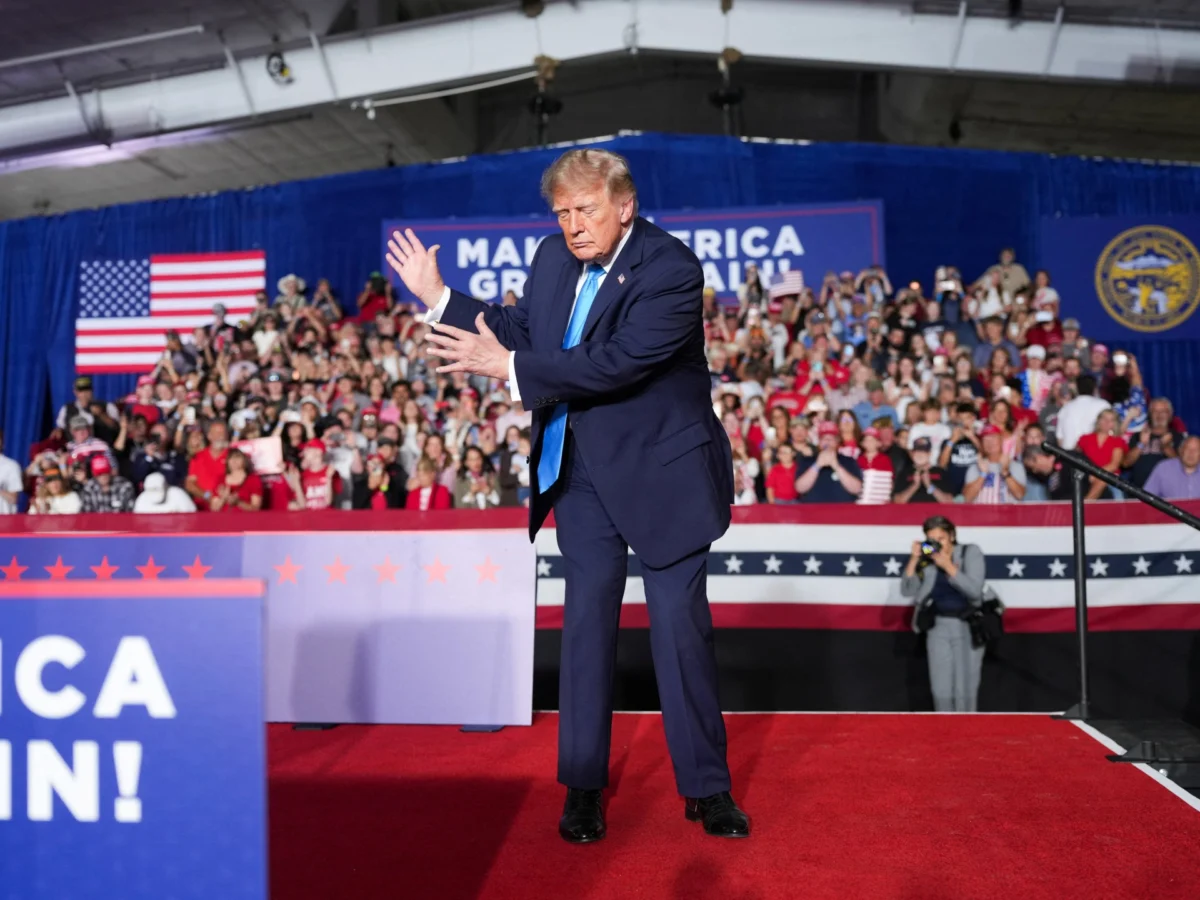
Politicians from both major U.S. parties have condemned recent Trump Iran remarks in which he suggested Iran might take San Diego and Los Angeles during a potential conflict. The comments drew swift backlash across party lines, with lawmakers labeling them dangerous and unacceptable. Public reaction has been largely negative, with many calling the statements irresponsible.
These Trump Iran remarks occurred as tensions remain elevated between the United States and Iran, though no formal declaration of war has taken place. The cities named in the comments are major population centers on the U.S. West Coast, making the suggestion particularly controversial. Lawmakers emphasized that such rhetoric undermines national security and diplomatic efforts.
Key Facts
- Trump suggested Iran could take San Diego and Los Angeles.
- Outrage came from both Democrats and Republicans.
- Comments were made in context of a possible Iran war.
- Politicians described the remarks as unacceptable.
What Triggered the Response?
The Trump Iran remarks appear to reference a hypothetical scenario involving military escalation with Iran. While the exact setting of the comments was not detailed in reporting, the mention of specific U.S. cities raised concerns among elected officials. Lawmakers noted that referencing American cities in a wartime context can embolden adversaries and unsettle allies. The bipartisan criticism reflects broader unease over rhetoric perceived as destabilizing. This episode underscores how public statements by political leaders can spark immediate pushback, especially on foreign policy matters.
Who Is Affected?
Residents of San Diego and Los Angeles—two of the largest cities in California—are directly referenced in the Trump Iran remarks. Local officials did not issue formal responses in initial reporting, but community leaders often weigh in when national security comments impact regional security perceptions. Nationally, the remarks contribute to ongoing debates about U.S.-Iran relations and presidential accountability. Voters may view these Trump Iran remarks as indicative of leadership tone, especially during global instability. The incident also highlights how foreign policy commentary can ripple beyond Washington, influencing domestic confidence and international standing.
What Happens Next?
No formal action has been announced in relation to the Trump Iran remarks, though some lawmakers have called for briefings on U.S. defense posture. Diplomatic channels continue engaging with Tehran despite periodic flare-ups. Future statements or votes related to sanctions or military authorization could bring renewed scrutiny. Meanwhile, public discourse around presidential speech remains active. Analysts note that moments like this often shape campaign narratives and legislative agendas, especially if tensions escalate further.
Verified by the source:
- Trump suggested Iran could take San Diego and Los Angeles.
- Both Democrats and Republicans criticized the remarks.
- The comments related to a potential Iran war.
Still unconfirmed:
- The exact date and venue of the Trump Iran remarks.
- Whether specific lawmakers were quoted directly.
- Official responses from local governments.
The controversy surrounding the Trump Iran remarks adds to a long history of inflammatory political rhetoric influencing foreign policy discussions. U.S. presidents traditionally exercise caution when addressing adversaries publicly, as words can escalate tensions or signal resolve. With Congress and the White House often divided along party lines, bipartisan criticism carries symbolic weight. Citizens and policymakers alike are watching for signs of de-escalation or further provocation. As the political calendar advances, such moments may resurface in debates over national security priorities.
Upcoming developments could include congressional hearings, diplomatic updates, or new executive directives related to Iran policy. The extent to which the Trump Iran remarks influence future negotiations remains unclear. Analysts say consistent messaging from leadership helps maintain credibility abroad. Any shift in U.S. posture toward Iran will likely draw comparisons to past statements. For now, the focus remains on keeping dialogue open while managing domestic political fallout.
Meta description: Politicians condemned Trump’s suggestion that Iran could take San Diego and Los Angeles amid rising Iran war concerns, citing risks to national security and diplomatic stability.