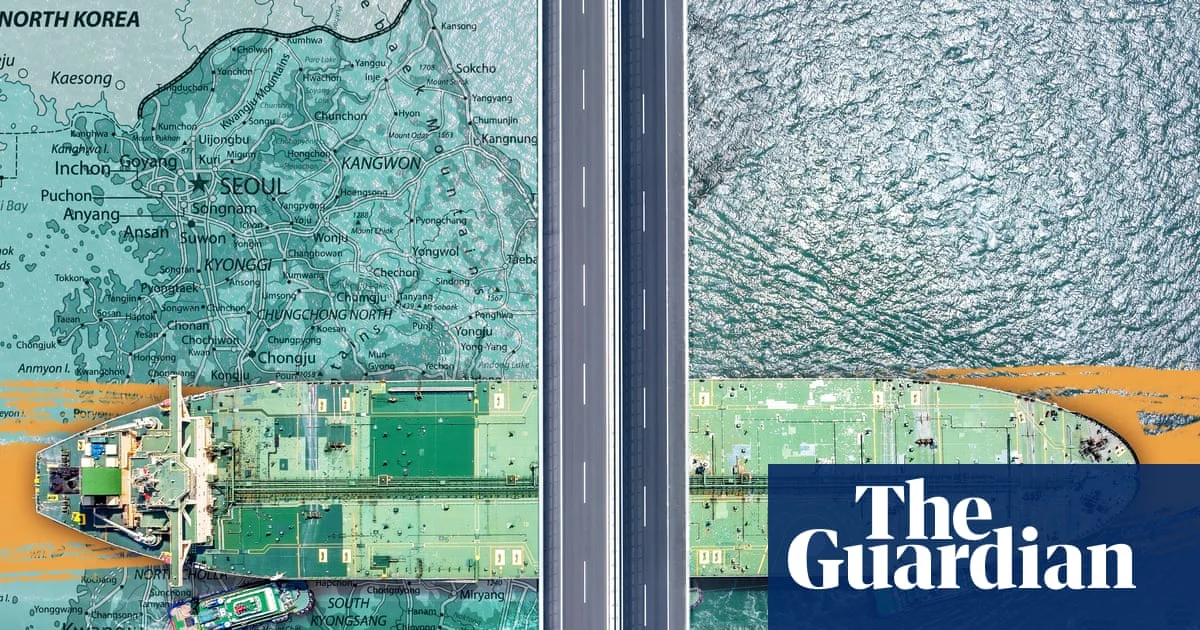
Fuel from South Korea has been shipped to Russian ports via sanctioned tankers, according to an analysis by The Guardian. The shipments occurred in July and August as Moscow seeks additional energy supplies amid its ongoing war in Ukraine. This movement of fuel undermines Seoul’s stated public support for Kyiv, according to one expert cited by the publication.
The analysis examined port records and ship-tracking data, revealing that more than 176,000 tonnes of fuel, mostly diesel, were loaded at several South Korean ports onto seven tankers that completed 14 voyages to Russia’s far east. These vessels have previously been subject to international sanctions, raising questions about compliance and enforcement mechanisms.
Key Facts
-
Over 176,000 tonnes of fuel were loaded in South Korea for shipment to Russia in July and August.
-
Most of the cargo was diesel.
-
Seven sanctioned tankers were used for the shipments.
-
These tankers made 14 voyages to Russia’s far east.
-
One expert said the shipments undermine South Korea’s public backing for Ukraine.
How Did This Happen?
The Guardian’s analysis of port records and real-time ship-tracking data identified unusual levels of fuel exports from South Korea to Russia during mid-year. Typically, such movements would face scrutiny due to existing sanctions regimes targeting Russian energy sectors. However, the use of older or less-regulated tankers allows some actors to bypass direct oversight. Analysts note that enforcement gaps enable continued trade despite diplomatic pressure.
Sanctioned tankers often operate under flags with limited regulatory oversight, making detection difficult for authorities monitoring compliance. Port records show consistent loading activity across multiple South Korean ports during the specified period. This pattern suggests a coordinated effort rather than isolated incidents. The volume involved highlights logistical capabilities still operating within global shipping networks.
What Happens Next?
If verified further, these findings could prompt renewed calls for tighter export controls and enhanced tracking protocols. Governments tracking South Korea fuel exports may increase scrutiny of maritime routes linking Northeast Asia to Russia’s Pacific coast. Additional investigations by financial institutions might reveal whether sanctioned entities facilitated payments tied to these shipments.
Regulatory responses vary widely among nations, complicating unified action against illicit trade flows. Some countries prioritize maintaining economic ties while others enforce strict adherence to multilateral agreements. Monitoring agencies rely heavily on satellite imagery and AIS data but struggle with opaque ownership structures behind many shipping firms. The outcome depends largely on political will and available enforcement tools.
Why It Matters
This development underscores the challenges facing international efforts to isolate the Russian economy through targeted sanctions. Continued access to refined petroleum products helps sustain Moscow’s military operations while testing the resolve of allies like South Korea. Public awareness of such activities pressures policymakers to reassess current frameworks governing cross-border commerce and sanctions compliance.
What To Watch
Follow-up reports and potential government responses regarding sanctions enforcement and diplomatic reactions from both South Korea and Russia will indicate whether this trend continues unchecked or prompts stronger interdiction measures.