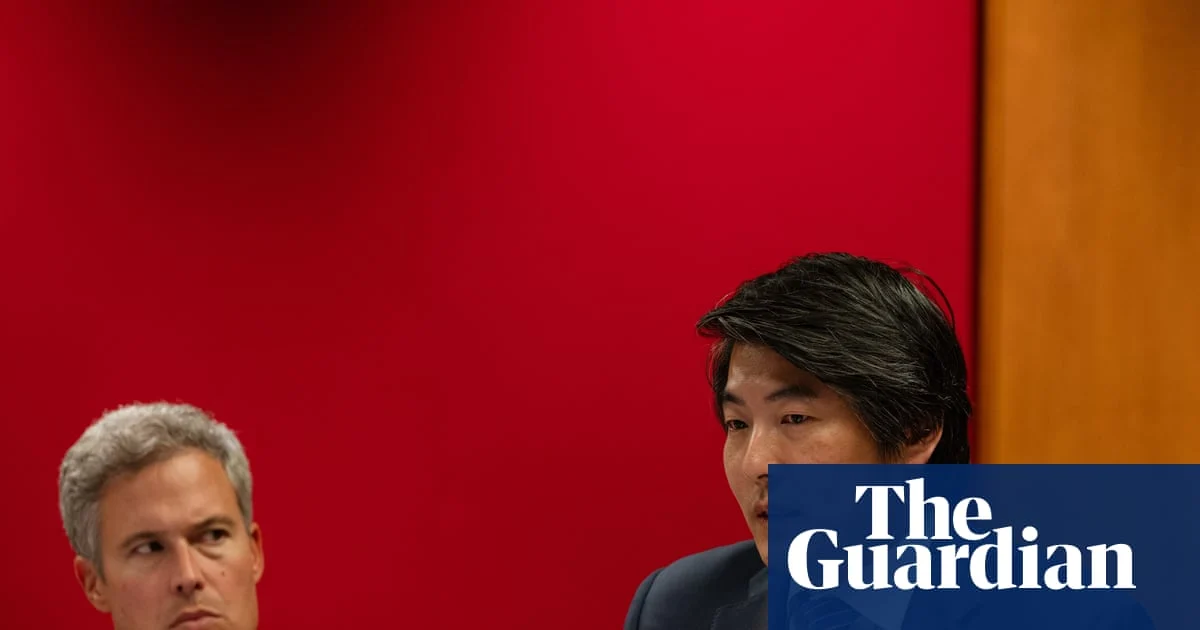
Anthropic told a parliamentary inquiry on artificial intelligence that it has never attempted to dictate Australian copyright rules, although it claims existing laws make training AI models in Australia effectively impossible.
The submissions came during a hearing examining how AI development interacts with national copyright frameworks. OpenAI separately addressed the committee, offering an apology over a recent cybersecurity incident involving Australia’s Medicare data infrastructure.
KEY FACTS
- Anthropic stated it never tried to dictate Australian copyright rules during an AI parliamentary inquiry.
- Anthropic said current Australian copyright law makes training AI in the country impossible.
- OpenAI apologized to Australia regarding a hack affecting Medicare.
- Media and entertainment groups argued weakening copyright law for AI training would harm artists.
- Australian Broadcasting Corporation (ABC) stated copyright laws do not need changing.
What Anthropic Said to the Inquiry
In its testimony to the parliamentary committee investigating AI regulation, Anthropic emphasized that it does not seek to influence or override existing Australian copyright legislation. The company indicated, however, that the current legal framework prevents it from conducting model training operations within the country.
This position reflects broader tensions between technology companies and lawmakers over how AI systems access and utilize copyrighted material. Without clear licensing pathways or exemptions, firms argue that launching or scaling AI services locally becomes operationally difficult.
The issue remains contentious because changes to intellectual property laws could have wide-reaching effects on creators, publishers, and innovators alike.
How Did We Get Here?
The inquiry stems from growing concerns among lawmakers and civil society about the unchecked expansion of generative AI technologies that rely heavily on scraped internet content—including news articles, books, music, and visual art.
Australia joins several other nations reassessing their copyright frameworks to balance innovation with creator rights. Hearings like these often draw testimony from both corporate stakeholders and advocacy groups seeking protections or exemptions.
While some organizations push for updated licensing regimes tailored to machine learning workflows, others warn that relaxing copyright standards may leave artists vulnerable to exploitation.
What Happens Next?
Following the hearing, lawmakers will review all evidence presented and determine whether legislative reforms are necessary. Further consultations with additional experts and affected parties are likely scheduled before any final decisions are made.
Creators’ unions and digital rights advocates continue watching closely, as policy outcomes may reshape commercial use of online datasets across sectors including journalism, entertainment, education, and design.
Meanwhile, companies involved must navigate an uncertain environment while investing billions into research and deployment globally.
What We Know & What We Don’t
Verified by the source:
- Anthropic appeared before Australia’s parliamentary AI inquiry.
- Anthropic claimed it did not attempt to dictate local copyright rules.
- Anthropic stated current copyright law prevents AI training in Australia.
- OpenAI issued an apology related to a hack involving Medicare.
- Media and entertainment representatives warned against weakening copyright protections.
- ABC argued that Australian copyright laws should remain unchanged.
Still unconfirmed:
- The specific legal provisions cited by either organization as problematic.
- Exact timeline or scope of the Medicare-related hack referenced.
- Names of individual officials or spokespersons who testified.
- Detailed positions held by other participating industry participants.
- Any formal recommendations submitted by either company post-hearing.
Why It Matters
This ongoing debate over AI copyright rules sits at the intersection of technological advancement and creative protection, affecting millions of workers whose livelihoods depend on intellectual property safeguards worldwide.
What To Watch
The committee is expected to release its findings after reviewing all testimonies, potentially influencing future federal approaches toward regulating emerging technologies like AI.