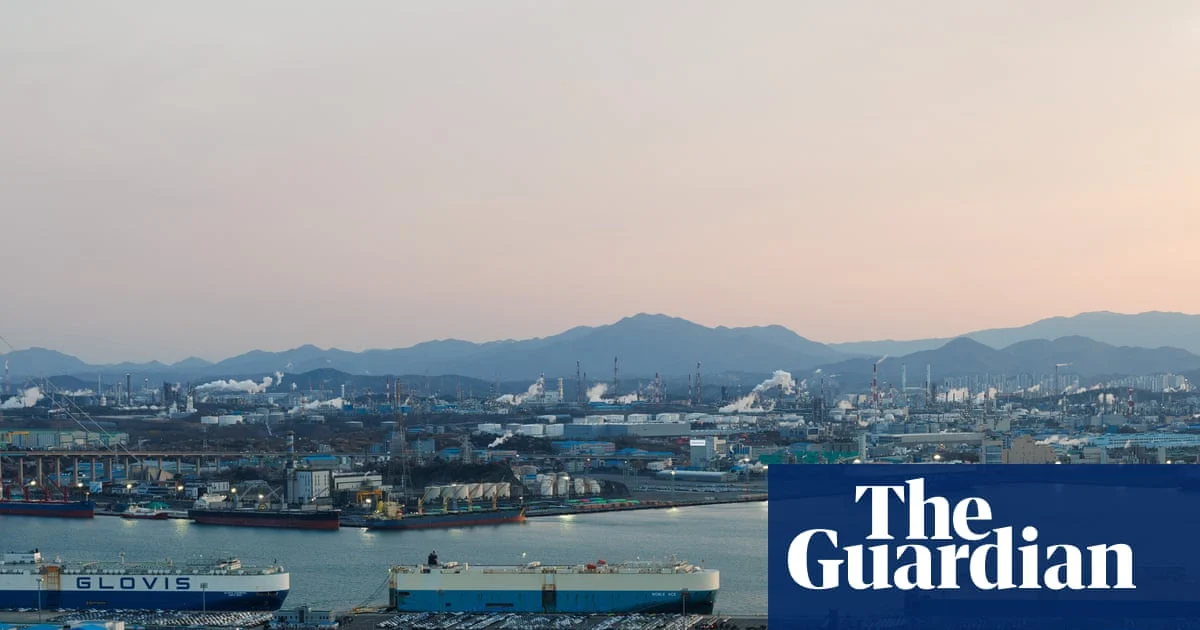
South Korea’s government said it will take legal action if investigations confirm that fuel shipments to Russia violated domestic law, responding to a Guardian report detailing thousands of tonnes of fuel transported to Russia. The government, speaking through its foreign and trade ministries and the customs service, said it is checking additional information about the reported loading cases and will act in accordance with the law if violations are verified.
The statement makes clear that Seoul is actively investigating the reported fuel shipments to Russia and has reserved the right to pursue enforcement measures where domestic legal requirements were not met. Officials said the review remains ongoing and that no final conclusions have been reached.
Key Facts
- Legal action threatened if fuel shipments to Russia broke domestic law.
- Investigation ongoing into cases reported by The Guardian involving thousands of tonnes of fuel.
- Statement issued jointly by foreign ministry, trade ministry, and customs service.
- Promise to act in line with law if violations are confirmed.
The Reported Shipments
According to the government statement, the inquiry relates to fuel shipments to Russia that were loaded at South Korean ports and reported by The Guardian. The foreign and trade ministries and the customs service said they are examining additional information concerning the loading cases. No specific quantities, vessels, companies, or timeframes were provided in the official response.
What Happens Next?
If verification establishes that South Korean laws and regulations were violated, the government said it plans to act in accordance with the law. The statement did not specify what form that legal action would take or which agencies would lead enforcement. The investigation remains open and no penalties have been announced.
What We Know — and What We Don’t
Verified by the source: The government issued a joint statement threatening legal action if fuel shipments to Russia are found to have broken domestic law; it is checking additional information about the reported loading cases; the inquiry follows a Guardian report; and it will act in accordance with the law if violations are confirmed.
Still unconfirmed: The volume, timing, destination, and route of the reported fuel shipments to Russia; the names of companies or vessels involved; whether any South Korean law was actually violated; and the specific legal remedies or penalties that may follow.
Why It Matters
The episode reflects ongoing international pressure on governments to prevent trade that could support military activity abroad, while balancing commercial and diplomatic interests. How Seoul resolves the inquiry and what enforcement it pursues may signal how strictly it intends to apply its own export and sanctions-related rules, as seen across coverage in war-geopolitics and economy-markets. South Korea, the United States, and their allies have repeatedly stressed accountability for trade that circumvents international obligations. The outcome also sits within a broader pattern of scrutiny over resource flows tied to regional security concerns.
What To Watch
Readers should watch for further government announcements once the verification process concludes, and for any indication of the legal or administrative steps officials say they will take if violations are confirmed.