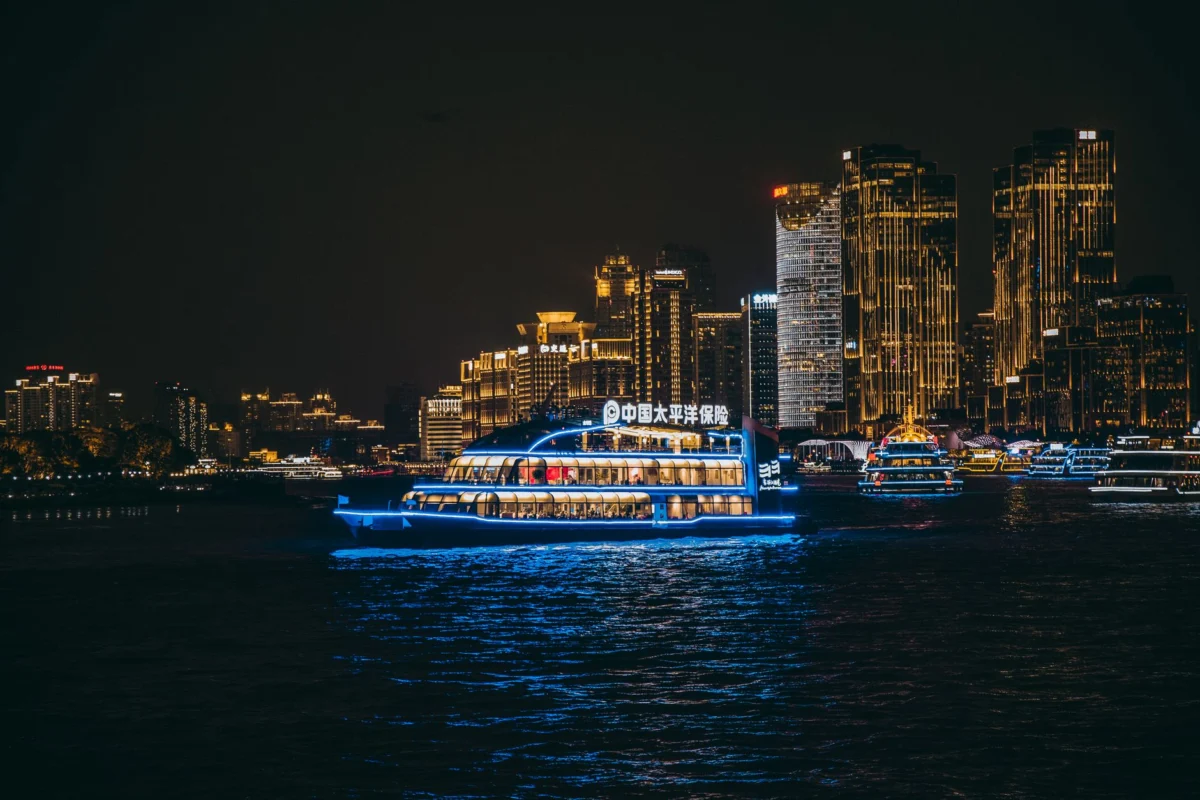
On a sun‑splashed Saturday morning, the hull of the brand‑new Adora Magic City slipped out of Shanghai’s Yangshan Port, its decks already humming with the chatter of the first weekend passengers.
This inaugural voyage, billed as the “Weekend Sea Escape,” marks Shanghai’s boldest push yet into high‑end maritime tourism.
What makes the Shanghai cruise different?
Unlike typical week‑long itineraries, the Adora Magic City offers a tightly‑packed two‑day program that blends ultra‑luxury amenities with curated shore excursions along the East China Sea. The operator describes the ship as a floating “magic city”—a self‑contained resort that lets travelers experience a five‑star lifestyle without ever leaving the water.
Why does this matter?
China has been funneling billions into its cruise sector to compete with established players in the Mediterranean and Caribbean. By positioning Shanghai as a launch pad for rapid, high‑value trips, the city hopes to attract affluent tourists from neighboring economies, especially as pandemic‑related travel restrictions ease across Asia.
Economists argue that this strategy could boost regional economy and markets activity, creating jobs in shipbuilding, hospitality, and local tourism services. For travelers, it promises a new kind of short‑haul luxury getaway that was previously only available in far‑flung destinations.
Geopolitical undercurrents
The timing coincides with heightened tensions in the South China Sea, where naval posturing has made headlines for months. While the cruise line emphasizes leisure, critics warn that expanding civilian maritime traffic could complicate security calculations for regional powers.
Analysts note that a surge in cruise operations may force governments to balance commercial incentives with the need to maintain clear rules of navigation in contested waters.
What happens next?
Industry insiders expect more ships to follow the Adora Magic City model, targeting weekend itineraries that cater to business travelers and affluent families alike. If demand holds, Shanghai could see a steady stream of similar vessels docking at its ports, further cementing the city’s role as a global cruise gateway.
For now, the deck lights of the Adora Magic City glow against the evening sky, a visual promise that the future of maritime tourism may be steering straight toward China’s eastern coast.
This article provides a concise overview of the Shanghai cruise launch and its broader implications for tourism, economics, and geopolitics.