Iranian officials said on Tuesday that the next 30 days will determine whether the regional security pact with Lebanon survives.
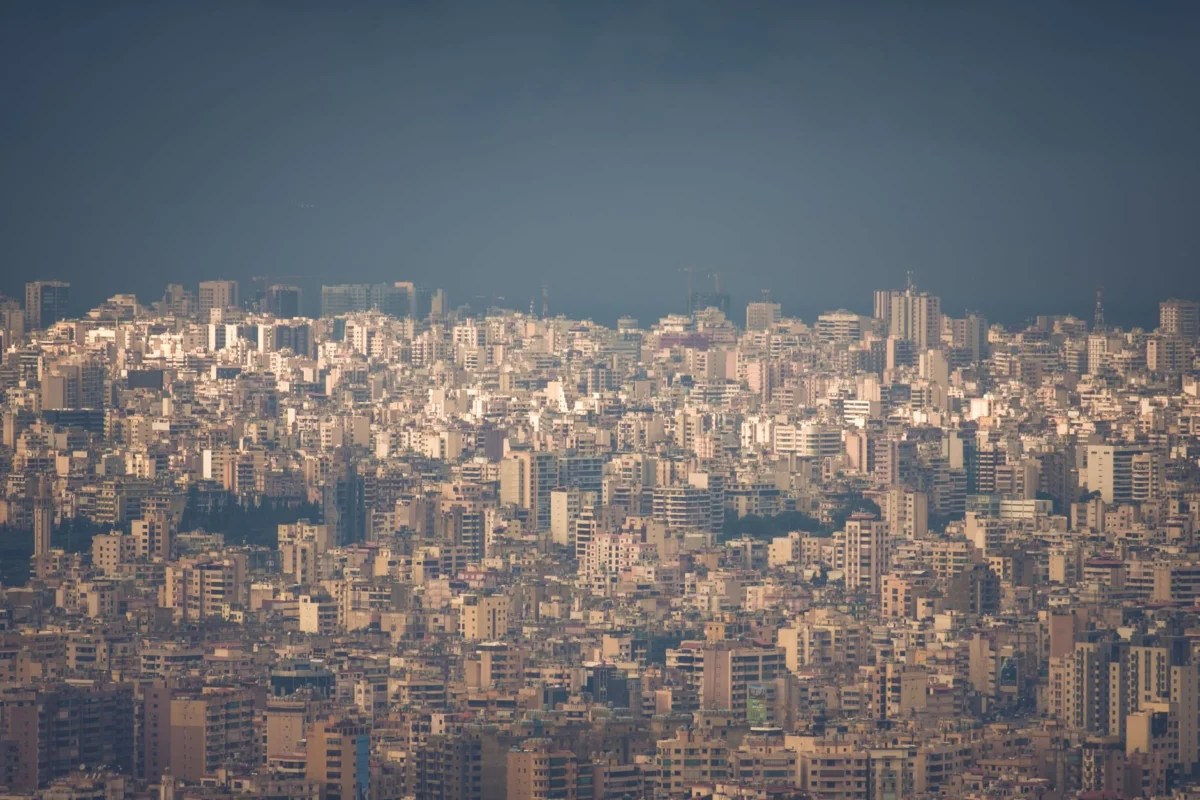
In a televised interview, Iran’s foreign policy chief announced that the “implementation in Lebanon,” specifically the restoration of the power grid in Beirut’s southern suburbs, will be the litmus test for the agreement signed last month between Tehran and the Lebanese Resistance.
Why does this matter?
The deal links Iran’s Revolutionary Guard Corps with Hezbollah’s armed wing, promising Iranian weapons and funding in exchange for Lebanese cooperation against Israel. If the power‑plant project stalls, Washington and Jerusalem argue the pact loses its strategic value, potentially prompting a new round of sanctions.
What happens next?
Iran has set a deadline: within 90 days, electricity must reach the southern neighborhoods that have lived under 2‑hour blackouts for five years. The project, valued at roughly $1.2 billion, is being financed by Iran’s Khatam‑ol‑Ansar construction arm and overseen by Hezbollah’s engineering bureau.
Should the timetable slip, Tehran’s statement warned that “the benefits of the deal will be reviewed.” Analysts fear that a review could mean a reduction in weapon shipments, which would embolden Israel’s northern border defenses.
For Lebanese civilians, the stakes are tangible. The Ministry of Energy estimates that 4.5 million people will gain reliable power if the project meets its target, cutting diesel‑generator use by 80 percent and lowering electricity costs from $0.30 per kilowatt‑hour to under $0.12.
Meanwhile, the United States has signaled that any breach could trigger a new round of sanctions on both Hezbollah and Iranian entities. The European Union, already hesitant to approve Lebanese reconstruction loans, may withhold further aid.
“Implementation in Lebanon will determine the deal’s future,” the Iranian spokesperson said, without naming specific officials. The remark was recorded by Middle East Eye and echoed in regional outlets.
Why should readers care? The outcome will shape the security calculus across the entire eastern Mediterranean, influencing oil prices, regional tourism, and the likelihood of escalation between Israel and Iran‑backed forces.
Energy markets are already reacting; crude futures rose 0.6 % after the statement, reflecting investor anxiety over a possible new front in the Israel‑Iran rivalry.
In the coming weeks, satellite imagery and on‑the‑ground reports from war-geopolitics will show whether transformers are being installed on the Beirut‑Sidon line. The world will be watching to see if Iran’s bargain holds—or if the deal unravels, reshaping the geopolitics of the Levant.
Stay tuned as the deadline approaches; the next report could spell either a rare glimpse of cooperation or the prelude to another flashpoint.