Lede
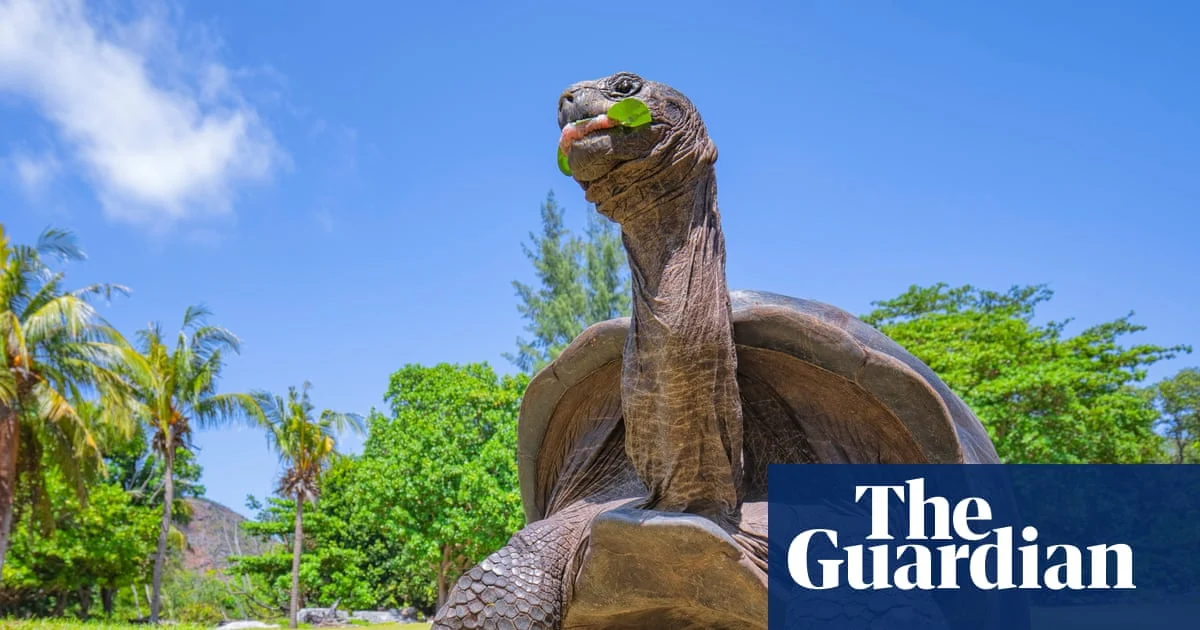
The giant tortoise population on Aldabra Atoll in Seychelles has reached a record 180,000 individuals, marking a conservation triumph for a species once pushed toward extinction. The free-roaming Aldabra giant tortoises have thrived due to decades-long recovery efforts, according to recent survey findings reported by The Guardian.
This milestone reflects sustained protection and ecological management on the remote Indian Ocean atoll, where the reptiles now roam freely across grasslands and wetlands. The recovery stands as one of the most notable wildlife comebacks in recent conservation history, offering hope for other threatened species facing similar pressures.
Key Facts
- Survey records
180,000Aldabra giant tortoises on Aldabra Atoll, Seychelles. - The population represents the world’s largest free-roaming giant tortoise group.
- Decades-long recovery program enabled the species to rebound from endangerment.
- Once-endangered species is now described as thriving.
The Story
How did we get here?
The giant tortoise population on Aldabra Atoll faced near collapse in earlier decades due to overharvesting and habitat loss. Conservationists initiated a long-term recovery effort, focusing on predator control, habitat restoration, and strict protection measures. Over time, these interventions allowed the tortoises to reproduce and expand naturally.
Regular surveys have tracked the growth of the population annually, showing consistent upward trends. The recent count of 180,000 tortoises confirms that the species has not only stabilized but flourished. This success highlights the effectiveness of sustained, science-based conservation strategies in isolated ecosystems.
What happens next?
With the population at an all-time high, conservationists aim to maintain current protections while expanding research into genetic diversity and climate resilience. Monitoring efforts will continue using aerial surveys and ground tracking to ensure health and stability.
The Aldabra Atoll remains a critical refuge, and managing tourism and fishing pressures will be key to preserving the habitat. Long-term goals include studying how changing weather patterns may affect vegetation and water availability for the tortoises. Continued collaboration between local authorities and international partners supports ongoing stewardship.
Who is affected?
Aldabra Atoll’s unique ecosystem benefits directly from the thriving tortoise numbers, as the animals play a vital role in seed dispersal and landscape maintenance. Local Seychellois communities involved in eco-tourism also gain economic advantages from increased visitor interest.
Global conservation organizations view the recovery as a model for future efforts. Researchers studying island biodiversity rely on the site for insights into species adaptation and ecological balance. However, threats such as invasive species and rising sea levels remain concerns requiring vigilance.
What We Know — and What We Don’t
Verified by the source:
- The tortoise count reached 180,000 individuals.
- The population resides on Aldabra Atoll in Seychelles.
- It is recognized as the world’s largest free-roaming giant tortoise population.
- The species was previously classified as endangered.
- A multi-decade recovery program contributed to the rebound.
Still unconfirmed:
- Exact timeline of the recovery efforts.
- Specific methods or funding sources behind the survey.
- Names of researchers or organizations involved.
- Detailed genetic health assessments of the population.
- Long-term projections beyond current observations.
Why It Matters
The resurgence of the giant tortoise population demonstrates that dedicated conservation can reverse biodiversity decline. It underscores the value of protecting remote habitats and investing in long-term ecological programs. For global sustainability efforts, this recovery offers proof that impactful change is achievable with commitment and scientific insight.
What To Watch
Future surveys may reveal whether the giant tortoise population continues growing or plateaus. Environmental shifts due to climate change could test the atoll’s capacity to sustain this iconic species indefinitely.