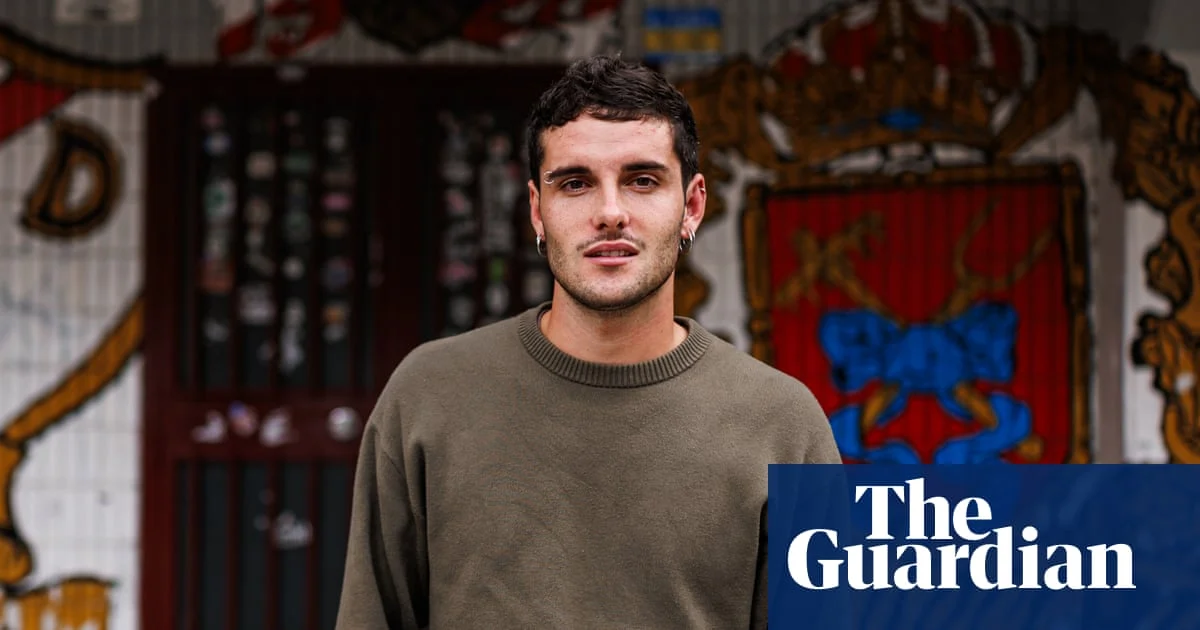
Sergio Camello says Rayo Vallecas represents something unique in modern football, describing it as a club rooted in community rather than conventional professional ambition. Speaking ahead of his team’s return to their longtime home venue, Camello reflected on the cultural significance of the neighborhood and its stadium.
With the Madrid council declaring Estadio de Vallecas unsafe and unfit for purpose, Rayo’s home matches have been moved to Leganés, located south of the city, and boycotted by fans. Camello expressed eagerness to return—not only for the games but for the atmosphere surrounding them.
Key Facts
- Role: Rayo Vallecano forward Sergio Camello calls the club’s identity “football from another time.”
- Stadium issue: Estadio de Vallecas was declared unsafe and unfit for purpose by Madrid council.
- Relocation: Home matches were moved to Leganés, south of central Madrid.
- Fan response: Supporters boycotted the relocated matches.
- Historical context: Camello ranks second among goalscorers in Europe’s top five leagues this term.
Who Is Affected by the Vallecas Closure?
The closure of Estadio de Vallecas affects not only players like Camello but also local supporters who view the stadium as integral to their community identity. Located in the Vallecas district, the ground has long served as a social hub where pre-game gatherings, post-match discussions, and neighborhood interactions unfold regularly.
Playing in Leganés removes the team from its natural environment, altering travel routines for local fans and changing the ambiance that defines matchday experiences. While some may see the move as purely logistical, Camello emphasizes deeper meanings tied to belonging and tradition.
What Happens Next for Rayo Vallecas?
Camello noted that the small door into Rayo’s ground remains locked, but within 64 hours, it would reopen for the season. That timeline suggests an imminent return to formality, even if structural upgrades lag behind emotional readiness.
His personal journey—from reviewing 156 films to photography and drumming—illustrates a broader appeal beyond athletic performance. Yet, on the pitch, his goalscoring record places him among Europe’s elite forwards, reinforcing his status both as an artist and competitor.
What We Know — and What We Don’t
Verified by the source:
- Camello described Rayo as embodying “football from another time” in his own words.
- Madrid council ruled Estadio de Vallecas unsafe and unfit for purpose.
- Rayo’s home games were temporarily shifted to Leganés.
- Fans boycotted matches played outside Vallecas.
- Camello is the second-highest scorer across Europe’s top five leagues.
Still unconfirmed:
- Specific safety violations prompting the council’s decision.
- Exact date when Estadio de Vallecas reopened fully.
- Details regarding potential renovations or upgrades underway.
- Reasons behind fan boycott beyond location change.
Meta description: Sergio Camello discusses Rayo Vallecas return after stadium declared unsafe, forcing relocation and fan boycotts.
Why It Matters
This story reflects how infrastructure decisions directly impact sporting culture and community engagement. When governments label venues unsafe without transparent follow-up plans, clubs lose more than turf—they lose connection with constituents.
For athletes like Camello, these tensions highlight the balance between professional excellence and cultural loyalty—an ongoing challenge in leagues increasingly shaped by commercial priorities.
What To Watch
Future statements from Madrid officials or Rayo Vallecano addressing repair timelines could clarify whether full reopening aligns with Camello’s optimistic outlook. Ongoing supporter activism might also influence policy changes affecting other at-risk stadiums nationwide.
Read more coverage on sports and follow updates via our politics archive for related civic developments.