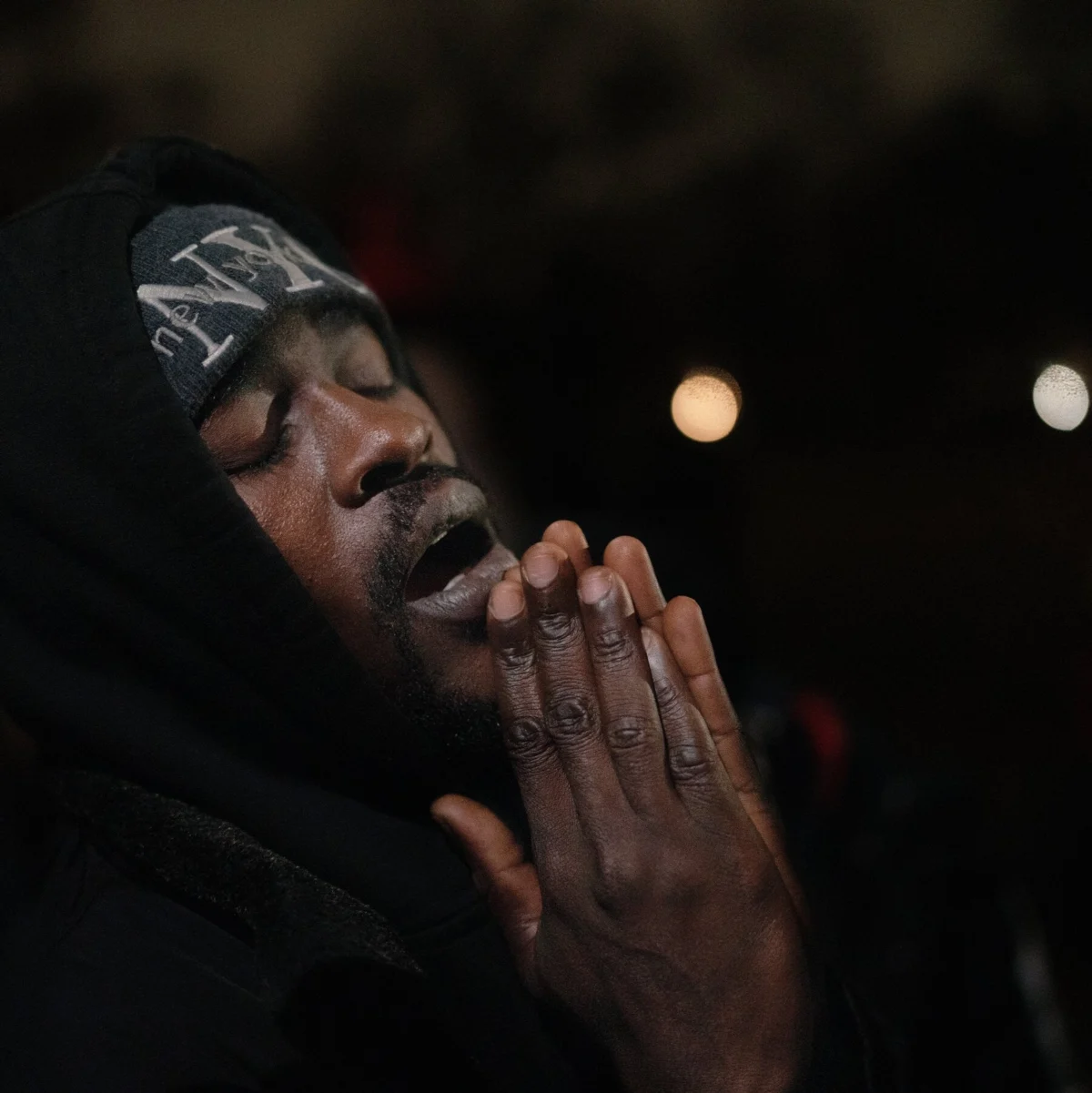
For Senegalese street vendors in New York, the sidewalk has become more than a workplace — it is a lifeline. Many recent migrants from Senegal have turned to relentless street vending to sustain their families, adapting to the difficulty of finding steady employment in a competitive urban economy. Their work ethic, often described as ‘work is worship,’ reflects both resilience and necessity.
These vendors navigate crowded city sidewalks, selling a range of goods from food to clothing, while building informal networks that help them survive. The hustle is not just about income but also about dignity and self-reliance in an unfamiliar environment.
KEY FACTS
- Many recent migrants from Senegal are working as street vendors in New York.
- They struggle to find steady employment in traditional jobs.
- Street vending helps them sustain their families.
- Their work ethic is described as ‘work is worship’.
Who Is Affected?
The primary group affected by this trend is recent migrants from Senegal who have settled in New York City. These individuals often arrive with limited resources and face significant barriers to integrating into the formal job market. Language differences, lack of local credentials, and unfamiliarity with U.S. labor laws can complicate efforts to secure stable employment.
Instead of waiting for opportunities in conventional sectors, many Senegalese newcomers have embraced street vending as a means of immediate financial survival. This informal economy offers flexibility and independence, allowing vendors to set their own hours and control their earnings. However, it also exposes them to risks such as harassment from law enforcement, competition from other vendors, and unpredictable weather conditions.
Beyond individual hardship, this phenomenon highlights broader themes around immigration, economic adaptation, and community building within diaspora populations. Street vending becomes not only a source of income but also a platform for cultural exchange and mutual support among fellow migrants.
How Did This Situation Develop?
The presence of Senegalese street vendors in New York dates back several decades, with waves of migration increasing since the 1980s. Economic instability, political uncertainty, and limited opportunities in Senegal have driven many to seek better prospects abroad. New York City, with its dense population and demand for affordable goods, has provided an outlet for entrepreneurial spirit despite systemic obstacles.
Over time, informal networks among Senegalese communities have facilitated knowledge transfer regarding safe locations, supplier relationships, and strategies for navigating city regulations. Many vendors begin by selling items like scarves or phone accessories before expanding into food services or personalized merchandise. This evolution mirrors patterns seen across other immigrant groups who relied on small-scale trade to establish roots in American society.
As living costs rise and wage gaps persist, younger generations continue entering the informal economy alongside older relatives. While some view street vending as temporary until alternative paths emerge, others see it as a long-term strategy rooted in cultural tradition and personal ambition.
What We Know — and What We Don’t
Verified by the source:
- Recent Senegalese migrants in New York engage in street vending due to difficulty securing steady jobs.
- Vending allows them to sustain their families financially.
- Their approach to work is characterized by perseverance and dedication.
Still unconfirmed:
- The exact number of Senegalese street vendors operating in NYC.
- Specific challenges faced beyond general difficulty finding work.
- Whether official data tracks this demographic specifically.
Why It Matters
This story illustrates how marginalized migrants adapt to economic exclusion through informal labor, shedding light on the hidden mechanisms of survival in one of the world’s most expensive cities. Understanding their experience contributes to ongoing conversations about immigration policy, worker rights, and social integration in urban centers.
What To Watch
Future developments may include changes in city policies affecting street vendors or shifts in migration flows from West Africa to North America.