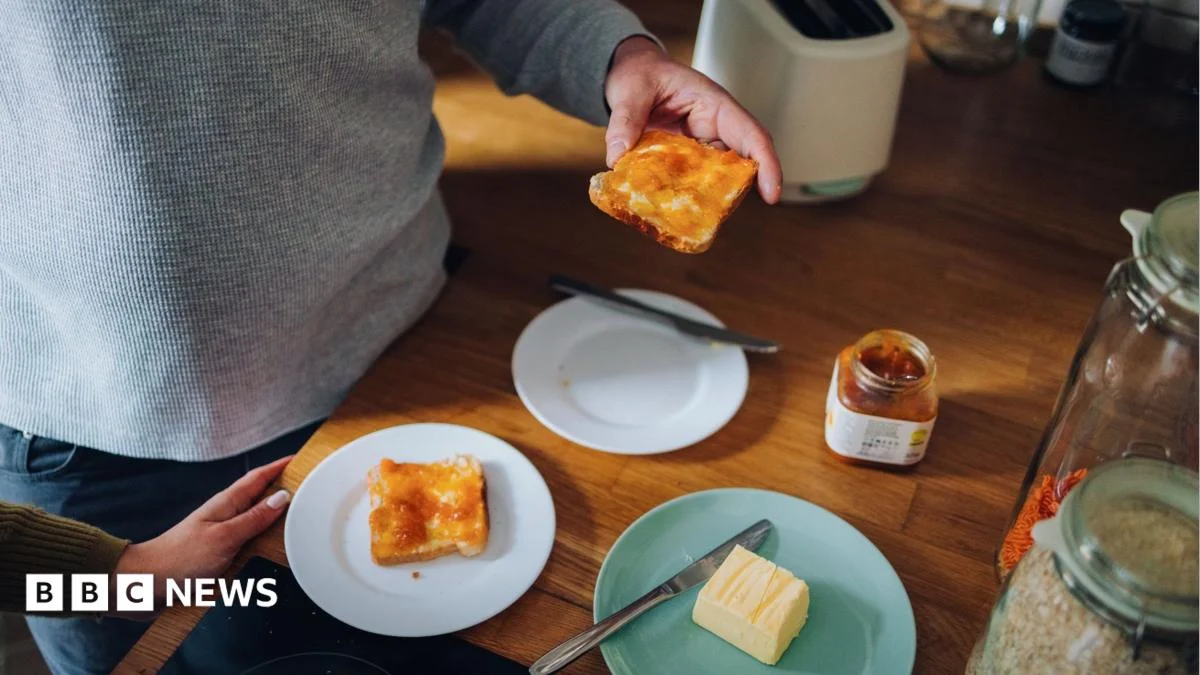
London — Chancellor Rachel Reeves has signaled plans to reduce the cost of everyday household essentials, including marmalade and gherkins, through a pre-budget package aimed at giving families breathing space. The measures are expected to include cuts to tariffs on selected staple goods as part of broader efforts to ease financial pressure ahead of the autumn statement.
The move follows mounting concern over rising living costs, though no specific timeline or full list of affected products has yet been confirmed by the Treasury.
KEY FACTS
- Chancellor vows cheaper marmalade and gherkins in pre-budget package.
- Tariffs on some staples will be axed as part of cost-of-living measures.
- Plan is intended to give households “breathing space” ahead of Budget.
- No full list of affected products or implementation date has been published.
The Plan So Far
The government is preparing a pre-budget package focused on reducing prices for commonly purchased items such as marmalade and gherkins. These goods are often used as informal indicators of inflation trends due to their regular presence in British shopping baskets. By targeting tariffs on these items, officials hope to provide visible, if limited, relief to consumers.
While the announcement appears symbolic, economists note that even modest tariff reductions can influence retail pricing, particularly when applied to widely available branded products. The Treasury has not specified whether private-label versions of these items will also benefit from the changes.
What Happens Next?
The pre-budget package is expected to be detailed further during official parliamentary briefings in the coming weeks. Until then, market analysts are watching for signs that importers and manufacturers may adjust prices in anticipation of tariff changes.
British retailers have already begun reviewing supply chains in response to early indicators from the Treasury. However, any price adjustments would likely lag behind formal policy announcements, leaving consumers waiting before seeing tangible impacts at checkout.
Who Is Affected?
Low- and middle-income households are the primary audience for this initiative. With food and drink among the largest contributors to day-to-day spending for these groups, small shifts in pricing on everyday items can carry noticeable weight.
Industry experts caution that while the gesture addresses public sentiment, structural issues such as energy costs and wage stagnation remain untouched. Still, the focus on popular staples resonates with voters who feel squeezed by ongoing inflationary pressures.
WHAT WE KNOW — AND WHAT WE DON’T
Verified by the source:
- Tariffs on certain staple foods will be removed as part of the pre-budget plan.
- Marmalade and gherkins are named examples in the chancellor’s proposal.
- The stated goal is to create “breathing space” for households before the Budget.
Still unconfirmed:
- Full list of products included under the tariff cuts.
- Exact date when new policies will take effect.
- Whether additional non-food items will feature in the package.
Why It Matters
For many Britons, grocery bills make up one of the biggest monthly expenses. Even minor interventions on widely bought goods can influence broader inflation perceptions and voter confidence in economic stewardship. While the immediate impact may be modest, the symbolic value of addressing everyday costs aligns with public expectations ahead of a national Budget.
What To Watch
Official details of the pre-budget package are expected soon, along with clarification on timing and scope of the proposed tariff changes. Updates from the Treasury and responses from retail sectors will shape how effectively these measures reach consumers.
Explore our economy and markets coverage. For political context, visit our politics section.