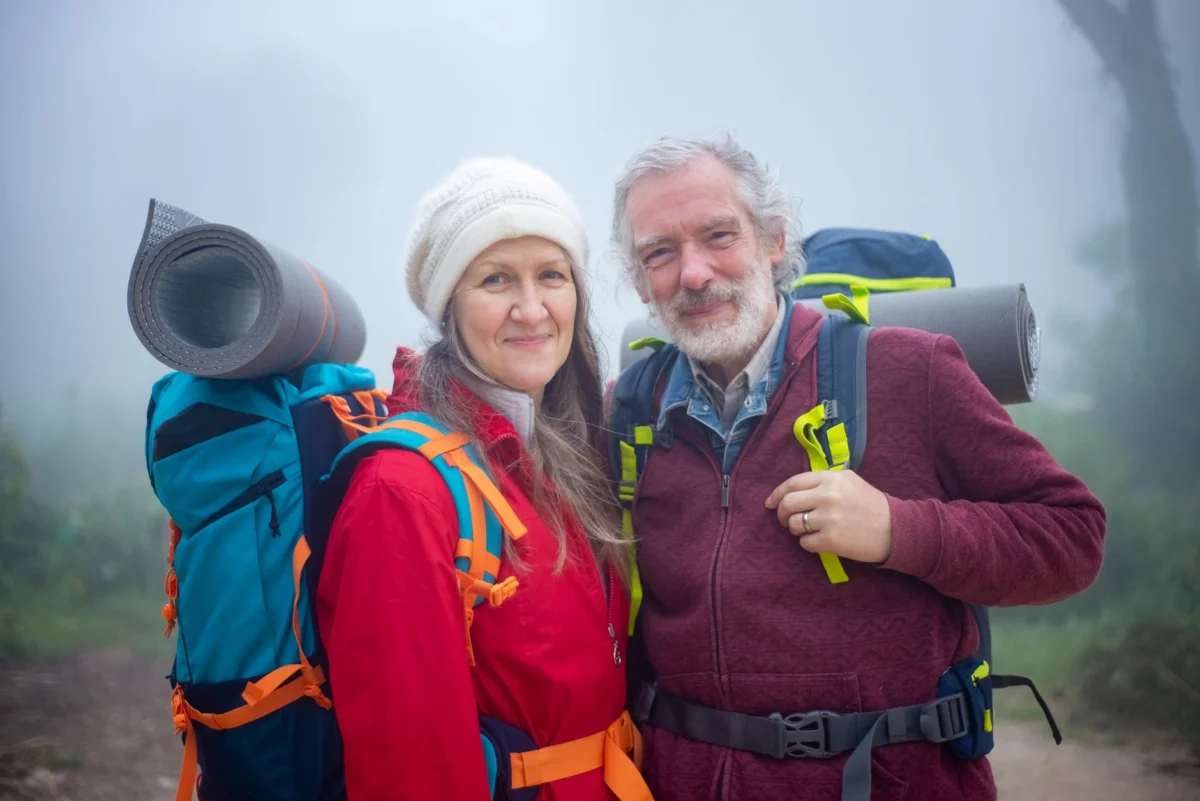
On July 24, 2026, a lone ranger’s radio crackled with the stark report: three hikers, all over 70, were found lifeless on the Bright Angel Trail after the temperature surged to 109°F.
The trio—identified by the National Park Service as Mary Thompson, 73, Harold Diaz, 71, and Ellen Rogers, 78—had set out early, hoping the morning shade would protect them from the desert’s unforgiving blaze.
Within hours, the mercury skyrocketed. The Grand Canyon heat reached a record for the month, prompting the park to issue a “dangerous heat” alert. By sunset, search crews recovered the hikers, each suffering from severe heat‑stroke and dehydration.
What went wrong on the inner canyon trails?
The inner canyon, where the river cuts through sheer cliffs, offers no relief from the sun. According to the National Park Service, temperatures above 100°F become life‑threatening for anyone without adequate water, clothing, and rest.
“The temperature spiked faster than many visitors anticipate,” the NPS site notes, adding that the park’s heat watch for July predicts daily highs above 105°F for the next week.
Experts from the climate‑environment beat warn that climate change is extending the season of extreme heat in the Southwest, making such incidents more likely.
Why does this matter?
More than 4.5 million people visit the Grand Canyon each year, according to the New York Times. A surge in extreme‑heat days threatens not only adventure seekers but also the park’s economy, emergency services, and the fragile ecosystem.
Family members of the deceased have called for clearer signage, mandatory water‑carriage limits, and a possible seasonal closure of the inner‑canyon routes during heat spikes.
What’s the response from officials?
Park officials, as reported by CBS News, are reviewing the incident and considering a new “heat‑safety protocol” that would require hikers to register their itineraries and carry cooling packs.
“We cannot afford another tragedy,” a park spokesperson told The Guardian. “Our goal is to balance access with safety as the climate shifts.”
Meanwhile, the politics arena sees lawmakers urging the federal government to allocate additional funding for desert‑region heat mitigation.
What happens next?
The National Park Service will release a full investigation report within 30 days. Until then, they urge anyone planning a canyon trek to heed the heat‑watch alerts, start early, stay hydrated, and avoid the inner trails when temperatures exceed 100°F.
For now, the Grand Canyon remains a stark reminder that nature’s beauty can turn lethal in an instant—especially when the mercury climbs to 109°F.
Meta description: Three senior hikers die on Grand Canyon’s inner trails as temperatures hit 109°F, prompting urgent safety review and climate‑related concerns.