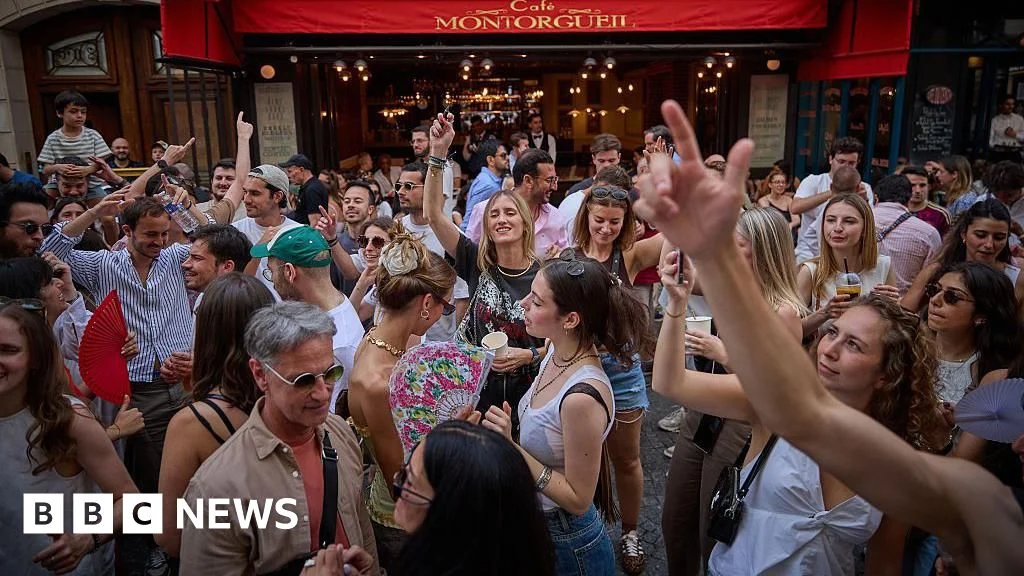
Under a scorching sun that pushed temperatures above 40 °C in Paris, police officers handed out flyers announcing an unprecedented alcohol ban at music‑festival sites across the country.
The ban, announced on Thursday, targets the Fête de la Musique celebrations that normally draw 5 million participants to streets, parks and open‑air stages.
Authorities issued a red heat‑wave alert for 35 of France’s 101 departments, the highest level of warning in the national system.
“We cannot risk public‑order incidents or medical emergencies when bodies are already dehydrated,” the Ministry of the Interior said in a brief statement.
Why does this matter?
Heat‑related illnesses have surged this summer, with hospitals reporting a 27 % rise in dehydration cases since the start of June. Alcohol, a diuretic, could exacerbate the danger, especially in crowded, high‑energy venues.
Beyond health, the decision strikes at a cultural tradition. The Fête de la Musique, launched in 1982, encourages free, live performances and a convivial street atmosphere where a glass of wine or a beer is often part of the ritual.
Who is affected?
Festival organizers in cities from Lyon to Bordeaux must now enforce the ban, reallocating security staff and re‑designing beer‑garden zones.
Local vendors, many of whom rely on alcohol sales for up to 40 % of their revenue, face immediate financial pressure.
Visitors, especially younger crowds, may feel the loss of a “social lubricant” that facilitates mingling and spontaneous dancing.
What happens next?
The government says the restriction will stay in place until the heatwave eases, likely mid‑July. It will be reviewed daily by the meteorological service Météo‑France and the health ministry.
Critics argue the measure could backfire, pushing drinkers into private settings where monitoring is harder. Supporters point to recent incidents at Marseille’s beach party, where several attendees received emergency treatment for heatstroke combined with alcohol‑induced dehydration.
Either way, the move signals a new willingness to intervene in public life to protect health during climate‑driven emergencies.
For a deeper look at how climate extremes are reshaping European public policy, see our coverage in climate and environment and the economic fallout in economy and markets.
As France grapples with soaring temperatures, the next question looms: will other European nations adopt similar bans, or will they rely on different safety nets? Stay tuned as the heatwave evolves.