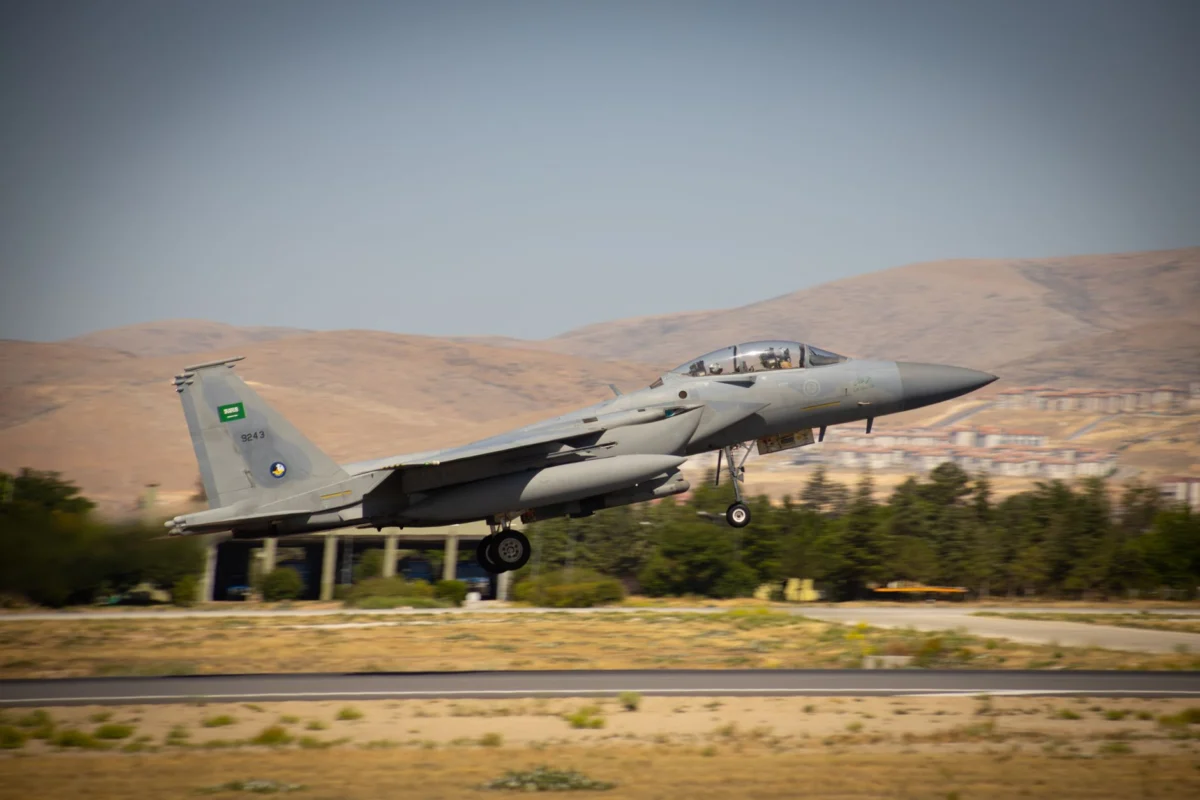
Saudi-led forces struck a Yemen port as Houthis warned airlines off the kingdom, marking a sharp escalation in the Red Sea conflict. The dual developments signal heightened risk to maritime trade and civilian aviation in a corridor vital to global supply chains.
The reported strike and warning come amid months of Houthi attacks on shipping linked to Israel’s war in Gaza, and repeated coalition responses targeting Houthi-held infrastructure in Yemen. Both sides appear to be expanding the geographic and operational scope of their confrontation.
Key Facts
- Saudi-led forces conducted a strike on a Yemen port
- Houthis issued a warning to airlines to avoid Saudi airspace
- Events were reported by Reuters within the last 12 hours
- No specific port, airline, or casualty details were provided in the initial report
The Story
What the strike signals
The reported port strike by Saudi-led forces suggests a continuation of the coalition’s campaign to degrade Houthi military capacity in Yemen. Ports in Houthi-controlled areas, particularly Hodeidah, have been targeted previously to disrupt weapons smuggling and revenue streams. Such strikes also pressure the group’s ability to sustain attacks on Red Sea shipping.
Coalition operations in Yemen have focused on air defense sites, missile launchers, and coastal radar since the Houthis began targeting commercial vessels in November 2023. A port strike aligns with this pattern of hitting logistical nodes. However, the initial report does not name the specific facility or assess damage.
Houthi warning to airlines
The Houthi warning to airlines marks a significant expansion of their threat profile. Until now, the group has primarily threatened merchant shipping in the Red Sea and Gulf of Aden, along with occasional missile and drone launches toward Israel. Targeting civilian aviation — or warning carriers away from Saudi airspace — introduces a new dimension of risk for international carriers and Gulf aviation hubs.
Saudi Arabia’s major airports, including Riyadh, Jeddah, and Dammam, handle millions of passengers annually and serve as key transit points between Asia, Africa, and Europe. A credible threat to this airspace could force rerouting, increase flight times, and raise insurance costs for carriers operating in the region.
How did we get here?
The Yemen conflict began in 2014 when Houthis seized the capital Sanaa, prompting a Saudi-led intervention in 2015. The war has since evolved into a multi-front proxy conflict involving Iran-backed Houthis, the internationally recognized Yemeni government, southern separatists, and various local militias. A UN-brokered truce in 2022 reduced major fighting but did not produce a permanent settlement.
Since October 2023, Houthis have linked their Red Sea attacks to Israel’s Gaza offensive, declaring solidarity with Palestinians. The U.S. and allies formed Operation Prosperity Guardian to protect shipping, while conducting periodic strikes on Houthi targets. Saudi Arabia has sought to distance itself from the U.S.-led campaign while maintaining its own security interests in Yemen.
What We Know — and What We Don’t
Verified by the source:
- Saudi-led forces struck a Yemen port
- Houthis warned airlines to avoid Saudi airspace
- Reuters reported both developments within the last 12 hours
Still unconfirmed:
- Which specific port was targeted
- Extent of damage or casualties from the strike
- Which airlines received warnings or have altered routes
- Whether the warning constitutes a formal threat or rhetorical escalation
- Timing and coordination between the two events
- Official responses from Saudi Arabia, coalition partners, or aviation authorities
Why It Matters
The combination of a port strike and an airline warning threatens two pillars of global connectivity: maritime trade through the Red Sea and air travel over the Arabian Peninsula. Disruption to either raises costs for consumers worldwide and complicates diplomatic efforts to contain the Gaza war’s regional spillover. For Saudi Arabia, the warning directly challenges the Kingdom’s Vision 2030 ambitions to become a global aviation and logistics hub.
What to Watch
Official statements from Saudi aviation authorities and the coalition will clarify the threat’s credibility. Carrier scheduling changes in the next 48 hours will indicate how seriously airlines treat the warning. Any further port strikes or Houthi attacks on shipping will reveal whether this marks a sustained escalation cycle.