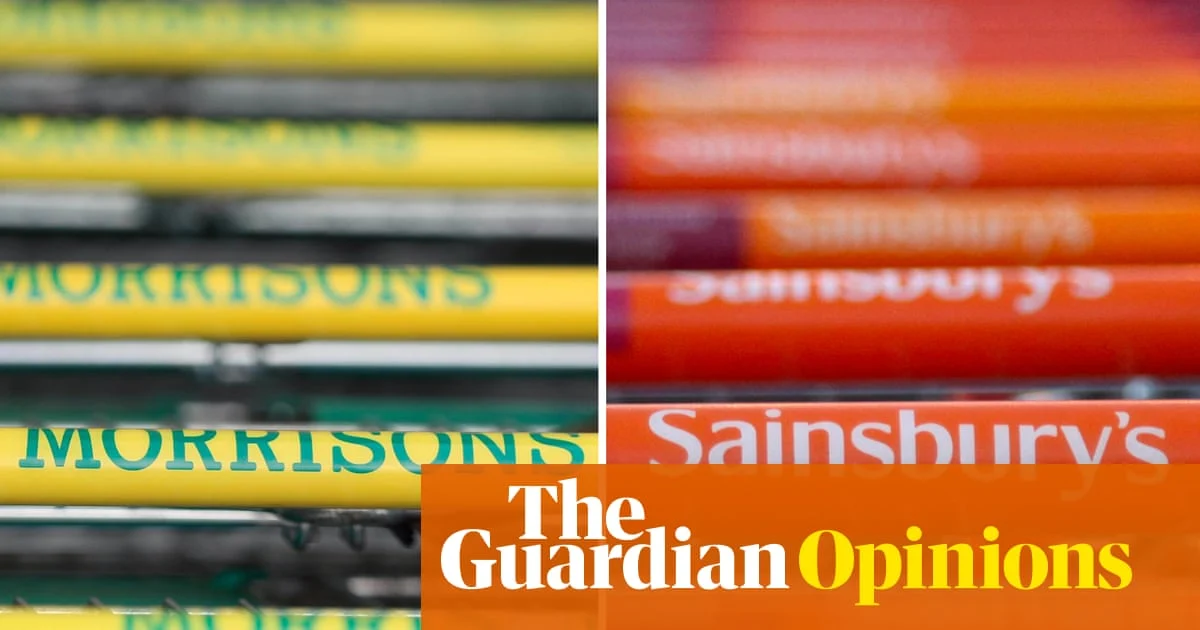
Merger discussions between Sainsbury’s and Morrisons have been abandoned, leaving open questions about whether such a supermarket merger would have cleared regulatory scrutiny. While the combined market share of the two chains would have trailed Tesco, the aborted deal highlights ongoing consolidation pressures in the UK grocery sector.
The two supermarket operators had reportedly initiated merger talks, suggesting at least an initial belief that the Competition and Markets Authority might approve a combination. However, the deal was ultimately called off, underscoring uncertainty around both regulatory outcomes and the strategic rationale for the merger.
KEY FACTS
- Sainsbury’s holds a 15.2% market share, according to Worldpanel analysts.
- Morrisons holds an 8.4% market share, also based on Worldpanel data.
- Tesco leads the market with a 27.8% share.
- Merger talks between Sainsbury’s and Morrisons were aborted, not completed.
- The Competition and Markets Authority was expected to consider any proposed merger.
Why Regulators Might Have Been Open
One of the central arguments the two chains could have advanced to the Competition and Markets Authority involves relative market sizing. A merged Sainsbury’s and Morrisons would still sit behind Tesco at 27.8%, based on figures from Worldpanel analysts. This framing suggests the merger would not have created a dominant player capable of leapfrogging the market leader, a concern that previously surfaced during Sainsbury’s 2018 pursuit of Asda.
Still, market share figures alone do not determine regulatory outcomes. The Competition and Markets Authority typically weighs local competition, pricing effects, and supplier impacts before ruling on a merger. The aborted talks leave those questions unresolved.
What Happens Next for UK Supermarkets?
The collapse of merger talks between Sainsbury’s and Morrisons reflects broader uncertainty in the UK supermarket sector, where cost pressures and competition continue to shape strategy. Rather than rely solely on acquisitions, chains may turn toward internal cost-cutting, digital investment, and private-label expansion.
Industry observers will be watching whether either chain revisits consolidation or focuses on organic growth. For now, regulatory scrutiny remains a clear constraint on future supermarket merger ambitions.
WHAT WE KNOW — AND WHAT WE DON’T
Verified by the source:
- Merger talks between Sainsbury’s and Morrisons were abandoned.
- Sainsbury’s holds 15.2% market share, per Worldpanel analysts.
- Morrisons holds 8.4% market share, per Worldpanel analysts.
- Tesco holds 27.8% market share, per Worldpanel analysts.
- The Competition and Markets Authority would review any proposed merger.
Still unconfirmed:
- Exact timing of the aborted merger discussions.
- Reasoning behind the decision to halt talks.
- Whether formal merger documents were ever filed.
- Current market share figures outside of Worldpanel data.
WHY IT MATTERS
The fate of any future supermarket merger will signal how aggressively chains pursue scale in a challenging retail environment, affecting everything from checkout prices to supplier negotiations for millions of shoppers across the UK economy and markets.
Supermarket merger speculation continues to swirl even as past attempts have failed regulatory or strategic hurdles. What happens next likely depends on evolving market conditions and regulatory tolerance.
WHAT TO WATCH
Neither party has confirmed plans to revive merger discussions, and any future approach would likely return to the Competition and Markets Authority for review. For now, the sector appears focused on standalone strategies rather than large-scale consolidation.