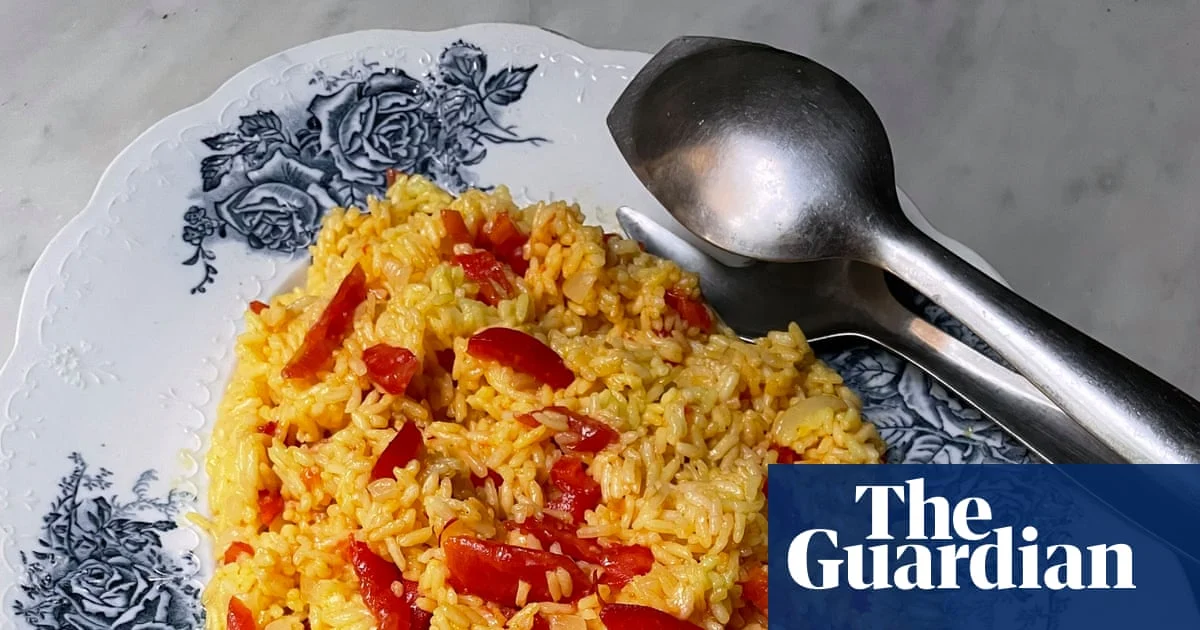
Saffron, known for its warm, pungent taste and sunset color, originates from the saffron crocus. The spice is derived from the plant’s orange-red stigmas, which are collected through a laborious, hand-picking process that significantly contributes to its high cost.
This precious spice has been cultivated for centuries, not only for its culinary uses but also for medicinal properties, cosmetics, perfume, and dye. Its global journey, from its native regions to Europe and beyond, highlights its enduring value and the intricate methods involved in its production.
KEY FACTS
- The saffron crocus produces stigmas with a warm, pungent taste.
- Saffron stigmas are harvested manually when flowers are fully open.
- Drying reduces saffron stigmas’ weight by about 80%.
- Tens of thousands of filaments yield half a kilogram of dried saffron.
- The saffron crocus is native to Crete, Iran, and south-west Asia.
The Labor-Intensive Harvest of Saffron
The distinctive saffron spice comes from the orange-red stigmas of the saffron crocus, which extend from its six lilac-purple flowers. Each flower also has three yellow stamens. The process of obtaining these thread-like stigmas is described as laborious and finicky, requiring each stigma to be hand-picked only when the flowers are fully open. This method of harvesting has remained largely unchanged for centuries, underscoring the traditional nature of saffron production.
After harvesting, the stigmas undergo a rapid drying process to prevent their color and flavor from fading. This drying process dramatically reduces their weight, by approximately 80%. The sheer quantity of raw material needed is substantial, with tens of thousands of individual filaments required to produce just half a kilogram of dried saffron threads. This significant labor and material requirement directly explains the exorbitant cost of saffron.
How Did Saffron Cultivation Spread Globally?
The saffron crocus, native to regions including Crete, Iran, and south-west Asia, has a long history of cultivation stretching back to the dawn of civilization. Historically, it was valued for more than just its culinary applications, being utilized for its medicinal properties, in cosmetics, perfumes, and as a dye. The spread of saffron cultivation across the globe involved various civilizations and trade routes.
According to Alan Davidson in The Oxford Companion to Food, the Moguls introduced saffron from Persia to India, specifically to Kashmir. In a westward expansion, Arabs were cultivating saffron in Spain by AD960. Its cultivation in Europe expanded further by the 13th century, reaching countries such as Italy, France, Germany, and England, particularly the county of Essex. Marwood Yeatman, in The Last Food of England, describes saffron cultivation in Essex, mentioning “orderly strips of purple flowers” and women, known as ‘crokers’, harvesting the crop on damp September mornings outside Chipping Walden. This town was later renamed Saffron Walden by the early 1500s, reflecting its strong association with the spice.
WHAT WE KNOW — AND WHAT WE DON’T
Verified by the source:
- Saffron stigmas have a warm, pungent taste and are sunset-colored.
- Saffron harvesting involves hand-picking stigmas from open flowers.
- The drying process of saffron stigmas reduces their weight by about 80%.
- Tens of thousands of saffron filaments are needed for half a kilogram of dried threads.
- The saffron crocus is indigenous to Crete, Iran, and south-west Asia.
Still unconfirmed:
- The exact current global production volume of saffron.
- Specific details on modern cultivation techniques compared to ancient ones beyond the hand-picking aspect.
- The precise number of saffron crocus flowers required to yield the tens of thousands of filaments mentioned.
WHY IT MATTERS
Understanding the intricate process behind saffron production sheds light on its historical significance and its status as one of the world’s most expensive spices. The labor-intensive harvesting and drying methods are crucial to its value, impacting culinary traditions and economies where it is cultivated. Its ancient uses beyond food also highlight its versatile and enduring importance across cultures.
WHAT TO WATCH
Further information regarding Rachel Roddy’s specific recipe for saffron and tomato rice or details on its preparation will be available in the continuing article.