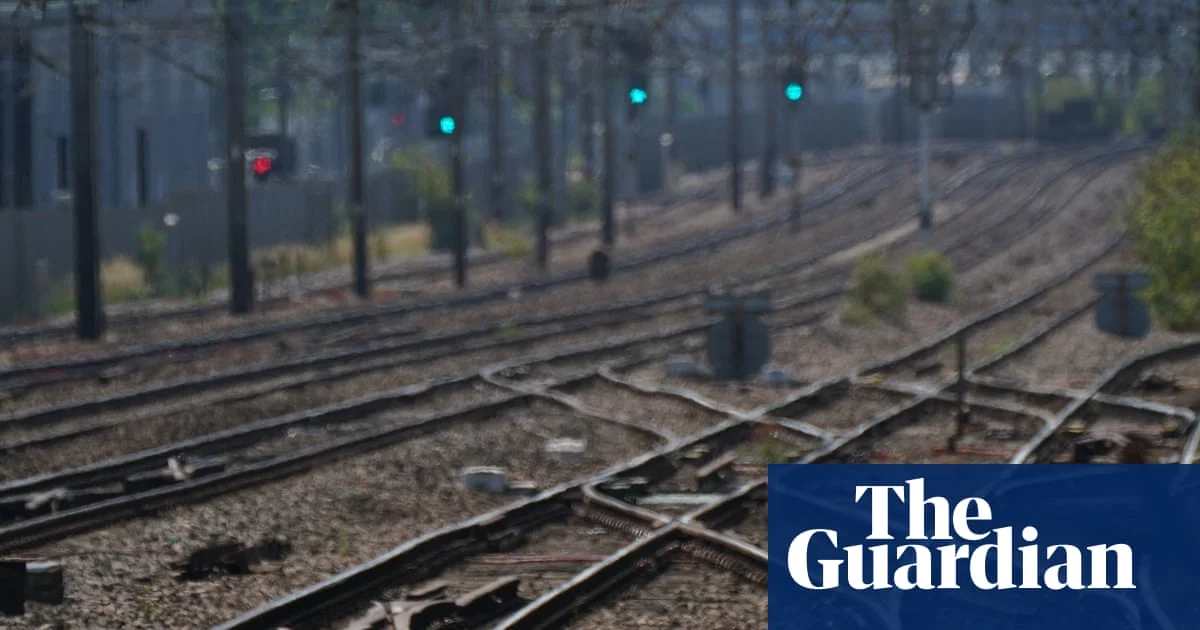
Protecting UK railways from the impact of hotter summers involves addressing issues such as warping steel rails and failures in signalling equipment. These challenges arise because the UK’s railway systems are typically engineered to function within a specific temperature range, which can be exceeded during periods of intense heat.
While softened tarmac may affect roads, even steel-railed train systems are susceptible to high temperatures. The expansion of rails under extreme heat can lead to distortions that pose safety risks, necessitating measures like reduced train speeds.
Key Facts
- Steel rails can warp into S-shapes in excessive heat.
- Signalling equipment in metal cabinets can fail in hotter summers.
- UK railways are generally designed for a 45C temperature range.
- High temperatures can cause “sun kink” in rails.
- Distortion from sun kink can derail fast trains.
The Impact of Railway Heat on Infrastructure
Steel rails on UK railways are engineered to expand slightly with temperature fluctuations. However, when summers become hotter, the extreme heat can cause these rails to expand beyond their design limits. This excessive expansion can result in a phenomenon known as “sun kink,” where the rails warp into an S-shape. This seemingly small distortion, while often subtle, presents a significant safety concern for train operations.
The integrity of the tracks is crucial for safe and efficient travel. When rails distort due to railway heat, it compromises the smooth passage of trains. The risk of derailment, particularly for fast-moving trains, increases significantly. Consequently, railway operators must implement safety precautions, such as reducing train speeds, to mitigate these potential hazards and ensure passenger safety.
What Happens to Signalling Equipment?
Beyond the physical distortion of rails, the rise in temperatures during hotter summers also impacts vital railway infrastructure, specifically signalling equipment. This critical equipment, often housed within metal cabinets, is susceptible to heat-related failures. The enclosed nature of these cabinets can exacerbate internal temperatures, pushing components beyond their operational limits.
The reliable functioning of signalling systems is paramount for managing train movements and preventing accidents. Any failure in this equipment can lead to widespread disruptions, delays, and potential safety incidents. Therefore, protecting these sensitive electronic systems from the effects of elevated temperatures is an essential part of maintaining a robust and safe railway network in the face of increasing railway heat.
What We Know — and What We Don’t
Verified by the source:
- Steel rails can warp and signalling equipment can fail due to heat.
- UK railways are designed for a 45C temperature range.
- “Sun kink” can cause rail distortion that may derail fast trains.
- Reduced speeds are used to address rail distortion.
Still unconfirmed:
- Specific locations or dates where these issues have occurred.
- The full extent or frequency of these problems across the UK network.
- The exact measures being implemented to protect signalling equipment.
- The cost implications of these heat-related issues.
Why It Matters
The challenges posed by hotter summers to railway infrastructure directly impact the reliability and safety of train travel. As climate patterns shift, understanding and addressing the vulnerabilities of systems like railways becomes crucial for maintaining essential public services and ensuring economic continuity.
What To Watch
Further developments regarding specific protection strategies for railways in increasingly hotter summers will be important to observe.