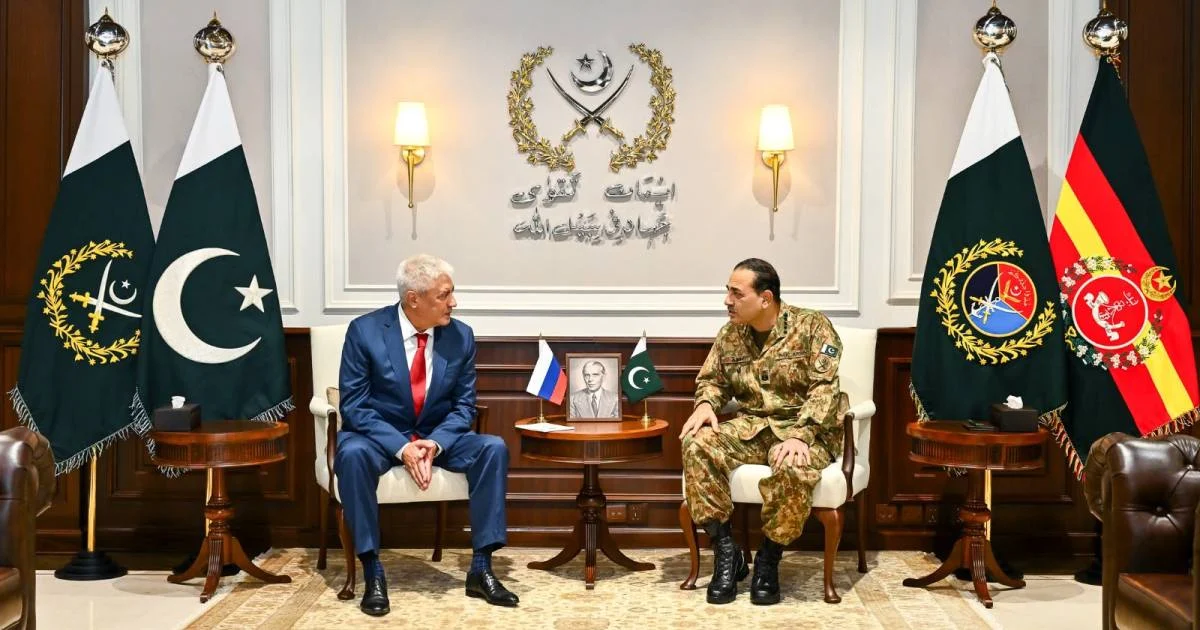
Russia may find itself in a unique position to influence rising tensions between Pakistan and Afghanistan, though analysts caution its leverage remains unclear. With established connections to the Taliban and ongoing diplomatic engagement with Islamabad, Moscow holds potential channels into both sides. However, whether Russia can effectively mediate or stabilize the volatile relationship is far from certain, according to regional observers.
The dynamic highlights Russia’s evolving role in South Asian geopolitics, where historical alliances and contemporary energy needs intersect. Analysts note that while Moscow has cultivated ties with the Taliban in recent years, its influence over Pakistan’s policy decisions remains untested. At the same time, Pakistan’s complex relationship with Afghanistan — particularly concerning border security and militant groups — continues to strain regional stability.
Key Facts
- Russia has close ties with the Taliban.
- Russia is courting Islamabad.
- Analysts say Russia’s leverage remains uncertain.
These facts underscore the tentative nature of Russia’s involvement in a region marked by decades of conflict, shifting alliances, and competing interests. For general readers, understanding this context means recognizing that neither Pakistan nor Afghanistan has historically maintained stable bilateral relations, especially since the U.S.-led invasion of Afghanistan in 2001 and the subsequent rise of the Taliban.
How Did We Get Here?
Russia’s renewed interest in Afghanistan dates back to at least 2015, when it began hosting peace talks involving the Taliban and other stakeholders. These efforts signaled a shift away from NATO-aligned strategies toward engagement with non-Western actors. Around the same time, Russia started deepening defense and trade partnerships with Pakistan — a country long allied with the United States but increasingly seeking alternative security arrangements.
The deterioration of Pakistan-Afghanistan ties in recent years has been driven by cross-border attacks, refugee flows, and accusations of harboring militant groups. Islamabad blames Kabul for supporting separatist movements within Pakistan, while Afghan officials accuse Pakistan of using militant proxies to exert influence. In this climate, third-party mediators like Russia could theoretically play a bridging role — but their credibility depends heavily on mutual trust and strategic alignment, both of which remain fragile.
Who Is Affected?
The populations of both Pakistan and Afghanistan bear the brunt of ongoing instability along their shared border. Civilian casualties, disrupted trade routes, and limited access to basic services have become routine in border regions. Regional powers such as India and China also monitor developments closely, as shifts in Pakistani or Afghan foreign policy can ripple across South Asia.
For Russia, increased engagement offers economic opportunities — including energy projects and arms sales — alongside geopolitical gains. Yet overreliance on unstable partners risks entanglement in conflicts where Moscow has little control. Meanwhile, Western nations continue to scale back direct involvement in the region, leaving local actors to navigate security challenges without robust external support.
What Happens Next?
The path forward will likely depend on how Pakistan and Afghanistan respond to Russian overtures. If both capitals view Moscow as a neutral mediator, there may be space for tentative dialogue. However, entrenched mistrust and divergent national interests could limit any meaningful progress.
Regional observers expect continued fluctuation in bilateral tensions unless broader structural issues are addressed. Until then, outside actors like Russia remain wildcards whose impact is difficult to predict.
What We Know — and What We Don’t
Verified by the source:
- Russia maintains close ties with the Taliban.
- Russia is courting Pakistan diplomatically.
- Analysts consider Russia’s leverage over the situation uncertain.
- Specific details about ongoing negotiations between Russia and either party.
- Tangible outcomes from Russia’s diplomatic initiatives.
- The extent to which Russia’s influence affects actual policy changes in Islamabad or Kabul.
Still unconfirmed:
Metanote: This article reflects reporting from a single news source and does not independently verify claims made by analysts or governments.
Why It Matters
Stability in the Pakistan-Afghanistan corridor affects millions of lives and shapes the security landscape of an already turbulent region. Any actor capable of contributing to peace — even partially — draws significant attention from global powers watching from the sidelines. As traditional Western influence wanes, new mediators like Russia gain prominence, raising questions about future power dynamics in global diplomacy.
What To Watch
Further statements from Russian officials or regional analysts may clarify Moscow’s intentions. Observers should look for signs of concrete dialogue or joint initiatives involving all three parties: Russia, Pakistan, and Afghanistan.