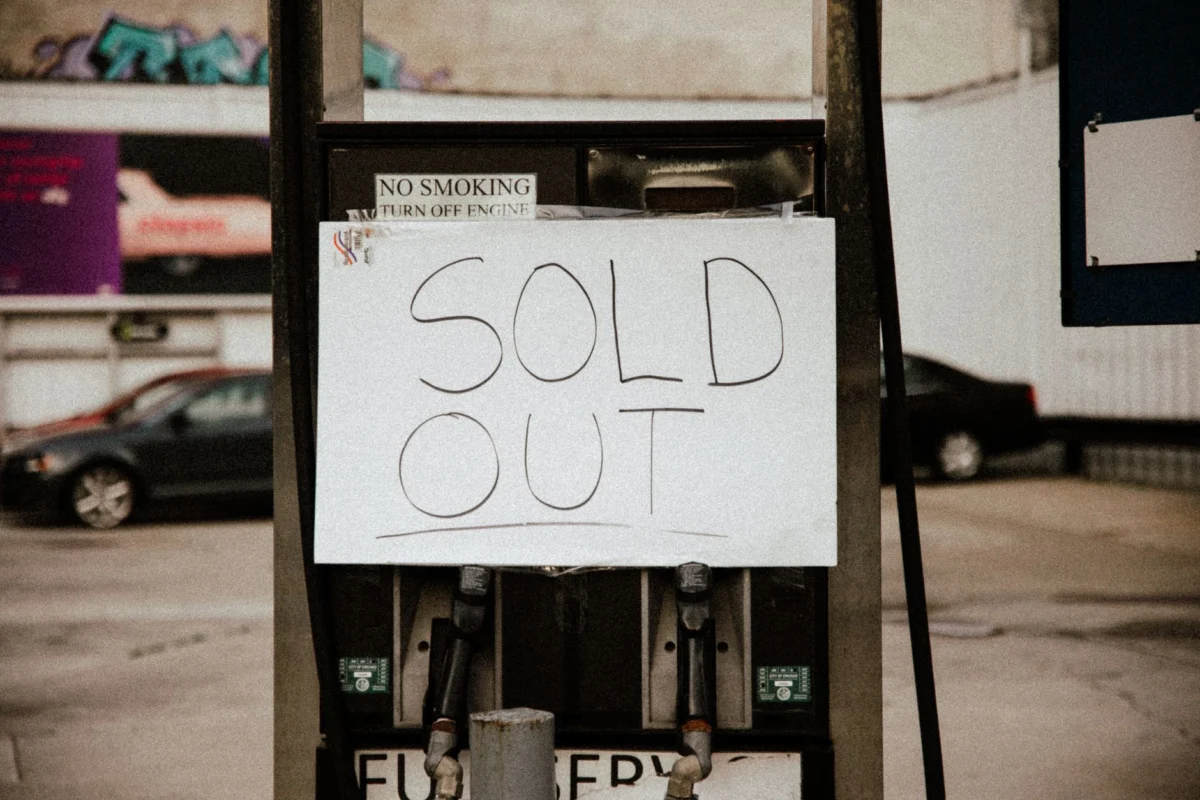
Russia fuel shortage has driven officials to consider a sudden ban on diesel exports while eyeing gasoline imports to keep domestic pumps running.
On a frosty morning in the port of Novorossiysk, a line of tanker trucks waited idly as workers checked inventory screens showing diesel stocks at a historic low. The numbers are stark: refinery output fell 12% in March, and storage levels are now below 2 million tonnes, enough for just three weeks of national demand.
In a brief statement to state media, the Ministry of Energy said the government is “examining all options” to prevent a domestic fuel crisis. No official name was given, but the language mirrors previous emergency measures during the 2022-23 winter.
Why does this matter?
The Kremlin’s war effort already strains Russia’s industrial base. Cutting diesel exports could tighten an already fragile European supply chain that depends on Russian crude for about 15% of its diesel imports. At the same time, importing gasoline – a product Russia traditionally exported – would force Moscow to spend hard‑currency reserves, a scarcer commodity after sanctions wiped out much of its foreign‑exchange earnings.
For everyday drivers in Moscow, the impact could be immediate. Pump prices have risen 18% since January, and the Ministry warned that a shortage could push retail prices above 70 roubles per litre, a level not seen since 2014.
What happens next?
Analysts say the decision hinges on two variables: the pace of refinery repairs after recent drone attacks, and the availability of spare diesel on the global market. If repairs stall, the ban could be announced within days; if shipments from Iran or Kazakhstan arrive, Moscow might hold off.
Internationally, the move would test the resolve of NATO allies who have been stockpiling alternative supplies. The United States has already warned that any export restrictions will “undermine energy security” for allies in Central and Eastern Europe.
Meanwhile, economy and markets watchers are tracking the ripple effect on oil futures. Brent crude slipped 0.4% after the news broke, and traders expect volatility to rise as the market digests the possibility of a new supply shock.
For Russia, the choice is a tightrope walk: protect its citizens from empty pumps or maintain a lucrative export stream that funds its war machine. The next few days will reveal which side the government leans toward.
Stay tuned as we follow the Kremlin’s calculations and their global fallout.