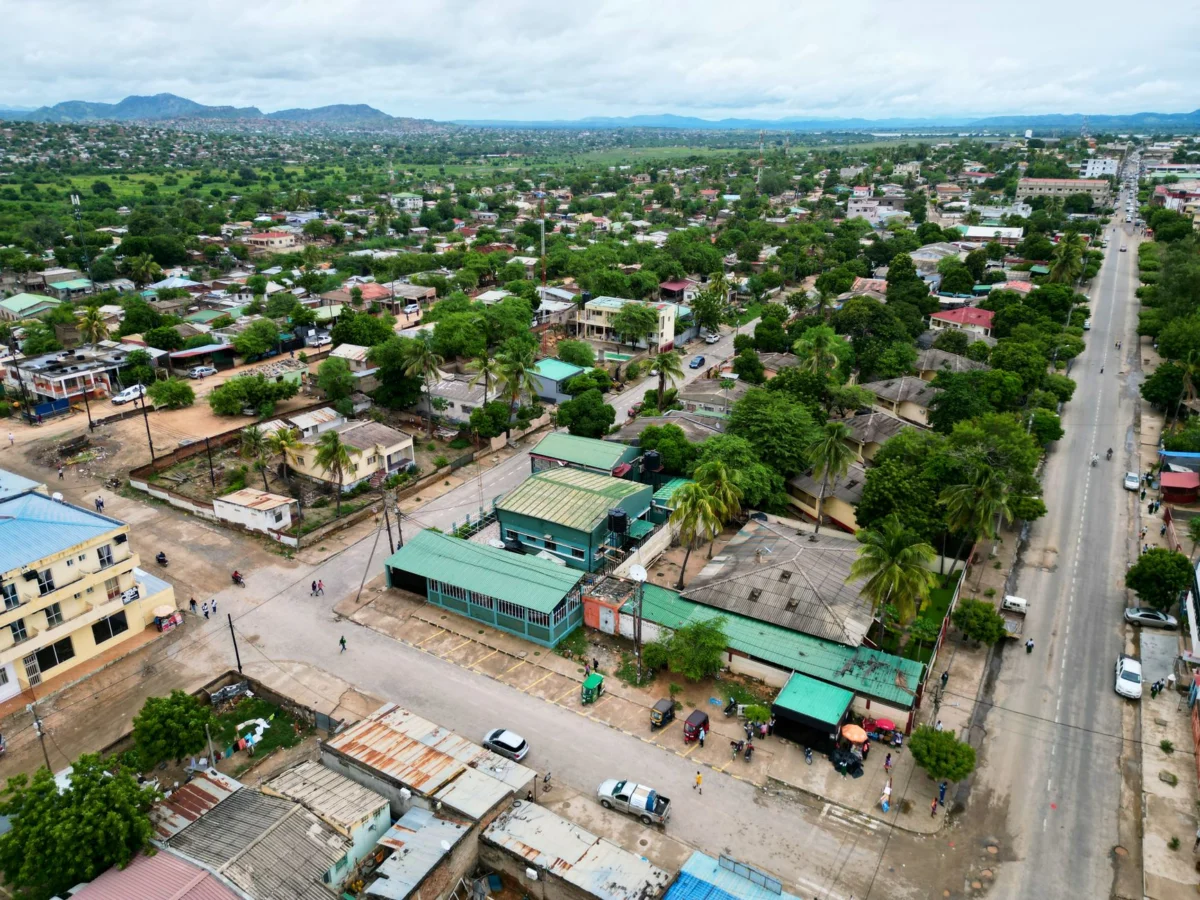
Seven weary passengers stepped off a chartered flight at Maputo International Airport on Tuesday, their faces etched with the trauma of a xenophobic attack that raged in South Africa last month.
The Mozambique repatriation, confirmed by Anadolu Ajansı, marks the conclusion of a hurried diplomatic effort that began shortly after the violence erupted in Johannesburg, Pretoria and surrounding towns.
How the operation unfolded
Officials from Mozambique’s Ministry of Foreign Affairs coordinated with South African immigration officers to secure safe passage for the victims, who were identified as citizens of Maputo, Nampula, and Gaza provinces.
All seven were transported in a single Airbus A320, flown by a private charter hired by the Mozambican government. The flight departed Johannesburg’s O.R. Tambo Airport at 06:30 GMT and landed in Maputo at 10:15 local time.
Why does this matter?
The incident underscores the fragile nature of southern African migration flows. Labor migrants from Mozambique constitute roughly 1.5 million workers in South Africa, according to the International Labour Organization. When xenophobic sentiments flare, the ripple effects can destabilize economies, strain diplomatic relations, and ignite humanitarian crises.
For families back home, the return of loved ones means access to medical care and psychosocial support that South Africa’s overstretched health system cannot always provide.
“The safe return of these citizens demonstrates our governments’ commitment to protecting migrant workers,” the Mozambican Foreign Ministry said in a brief statement. No direct quotes were available beyond the agency report.
Regional response and next steps
South Africa’s Department of Home Affairs has pledged a formal investigation into the attacks, while the Southern African Development Community (SADC) plans a summit in August to address cross‑border violence.
Human‑rights groups warn that without systemic reforms, similar episodes could recur, threatening the livelihoods of millions of migrant workers who sustain South Africa’s agricultural and mining sectors.
Meanwhile, the seven returnees are scheduled for medical examinations at Maputo Central Hospital and will receive counselling through the National Institute of Health.
What happens next?
International observers will watch closely as Mozambique and South Africa negotiate compensation mechanisms and preventive measures.
Will the two nations be able to translate this successful repatriation into broader policy changes? The answer could reshape migration policy across the entire continent.
Stay tuned for updates on the investigation, compensation talks, and the upcoming SADC summit.