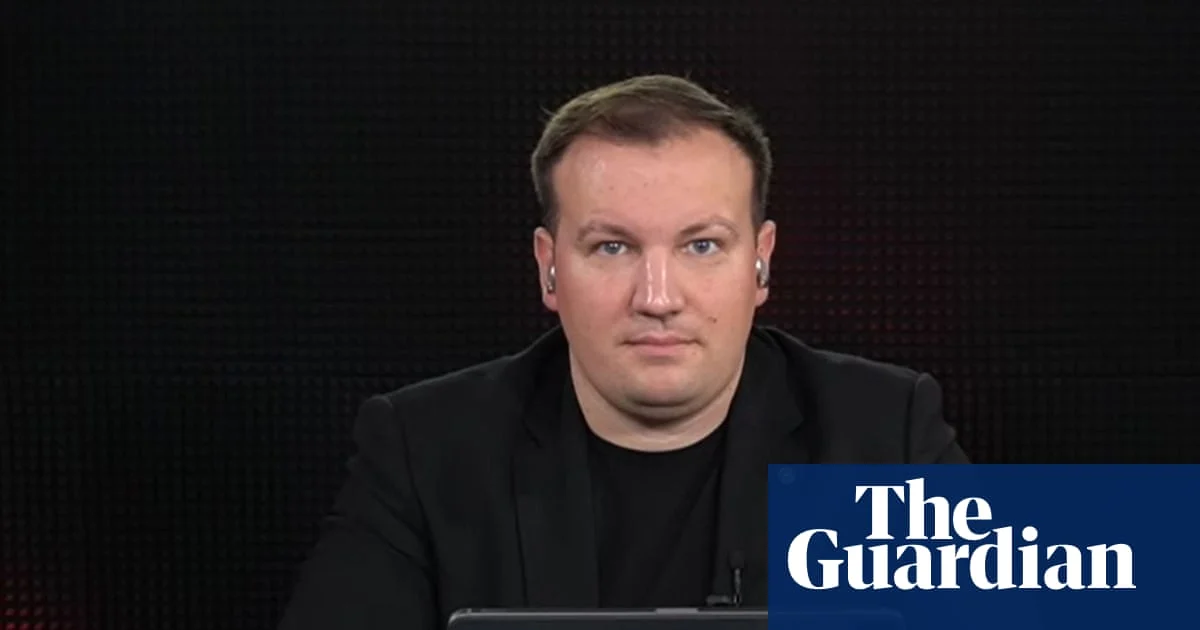
Mikhail Zvinchuk, a prominent Russian military blogger, was arrested in Montenegro along with his wife and three other Russians on suspicion of spreading Russian influence. The detention occurred in the Adriatic town of Risan after Montenegrin authorities raised concerns about potential attempts to destabilize the country.
Zvinchuk is the founder of Rybar, an influential war blog reportedly linked to Russia’s intelligence services. His arrest highlights growing tensions in the Balkans over alleged foreign interference.
Key Facts
- Mikhail Zvinchuk, founder of the Rybar blog, was detained in Montenegro.
- He was arrested alongside his wife and three other Russians in Risan.
- The arrest follows official warnings about attempts to destabilize Montenegro.
- Zvinchuk is described as a pro-Kremlin military blogger with ties to Russian intelligence.
- Suspicions include spreading Russian influence within Montenegro.
The Story
Who Is Mikhail Zvinchuk?
Mikhail Zvinchuk is the founder of Rybar, a widely read Russian military blog known for its pro-Kremlin stance. According to reports, Zvinchuk has ties to Russia’s intelligence services, though specific affiliations remain unconfirmed by independent sources. His platform has gained significant traction among Russian-speaking audiences interested in military affairs and geopolitical developments.
Rybar’s influence extends beyond Russia, particularly in countries with historical ties to the Kremlin. Zvinchuk’s presence in Montenegro suggests a strategic interest in the Balkans, a region long considered a key area of influence for both Western and Russian actors.
What Happens Next?
Montenegrin authorities have not yet released detailed charges or timelines for further legal action against Zvinchuk and his companions. As of now, local media reports suggest ongoing investigations into whether their activities constituted organized efforts to sway public opinion or destabilize institutions.
The case may escalate diplomatic tensions between Montenegro and Russia, especially if formal charges are filed. Russia has previously denied involvement in destabilizing activities abroad, often accusing Western nations of similar conduct. Observers will watch closely for statements from either government.
How Did We Get Here?
Montenegro has been increasingly vigilant about foreign interference in recent years, particularly from Russia. In 2016, the country accused Russian nationals of plotting a coup during an election, allegations that Moscow dismissed as fabricated.
The arrest of Zvinchuk comes amid broader concerns across Europe regarding disinformation campaigns and covert influence operations attributed to the Kremlin. His detention signals Montenegro’s continued efforts to counter perceived threats to national security.
What We Know — and What We Don’t
Verified by the source:
- Zvinchuk was detained in Risan with his wife and three others.
- He founded the Rybar blog linked to Russian intelligence.
- Arrest followed warnings of destabilization attempts in Montenegro.
Still unconfirmed:
- The precise nature of charges beyond “spreading Russian influence.”
- Official confirmation of any direct state sponsorship of his activities.
- Timeline for court proceedings or potential extradition.
- Whether other Russian influencers are under surveillance in the region.
Why It Matters
This arrest underscores the evolving landscape of hybrid warfare and information operations in Europe. Countries like Montenegro, situated at the crossroads of East and West, face persistent challenges in safeguarding their sovereignty against external meddling. The incident also reflects rising friction between NATO-aligned states and the Kremlin over influence in former Soviet spheres.
What To Watch
Legal developments in Zvinchuk’s case could set precedents for how Balkan nations handle foreign digital influence. Diplomatic responses from Moscow and updates from Montenegrin prosecutors will be critical indicators moving forward.
Meta description: Pro-Kremlin blogger Mikhail Zvinchuk and companions detained in Montenegro on suspicion of spreading Russian influence near the Adriatic coast.