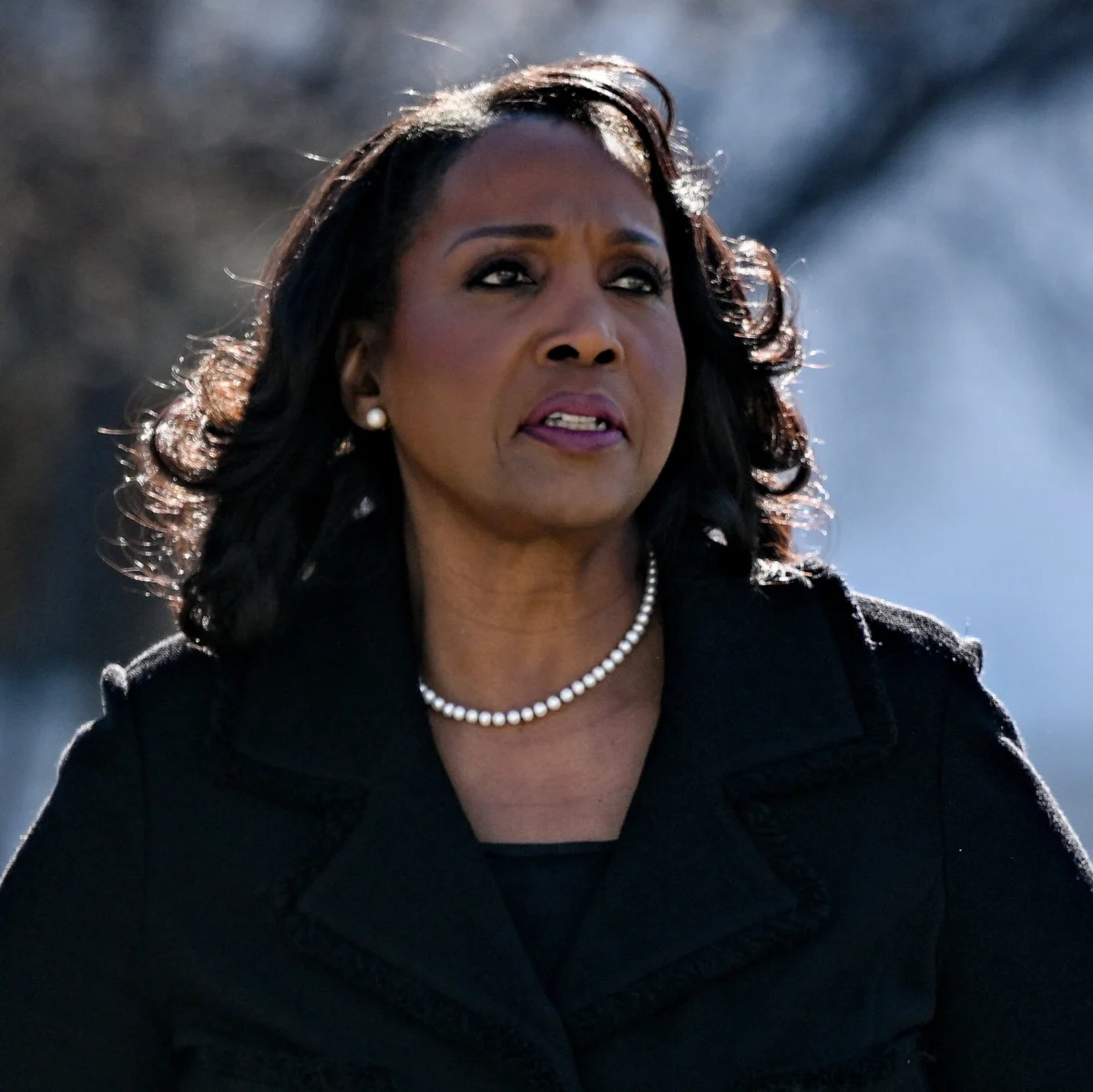
President Trump said the White House will investigate unsubstantiated claims that Federal Reserve Governor Lisa D. Cook committed mortgage fraud and will hold a hearing next month. The announcement marks a political escalation involving a sitting member of the Federal Reserve’s Board of Governors, the agency that sets U.S. monetary policy.
The White House inquiry follows unverified public allegations against Cook, who was appointed to the Fed in 2022 and is serving a term that runs until 2032. Trump did not specify which mortgage or transaction is alleged to be the subject of the inquiry, nor did he provide evidence to substantiate the accusations. He referred only to “unsubstantiated claims” already circulating in public discourse.
Key Facts
- Trump announced a White House inquiry into Fed Governor Lisa D. Cook.
- The inquiry concerns unsubstantiated claims of mortgage fraud.
- A hearing is scheduled for next month.
- The allegations remain unverified by the White House or Justice Department.
- Cook was appointed to the Fed in 2022 and serves until 2032.
What happens next?
The next public step would be the hearing mentioned by Trump, though no date, venue, or format has been confirmed. A White House-directed review could range from an internal fact-finding effort to a request for the Department of Justice or another investigative body to examine the claims. Because the Federal Reserve is designed to operate independently from the White House on monetary decisions, any probe of a Fed official raises questions about political pressure on the central bank.
Legal experts note that mortgage fraud is a serious federal offense typically investigated by the FBI and prosecuted by the Department of Justice, not by the White House itself. Without formal charges, public allegations alone generally do not trigger official proceedings. Whether the announced inquiry moves beyond a hearing to actual legal steps will depend on what evidence, if any, is produced and whether it is referred to prosecutors.
Who is affected?
The primary individual affected is Lisa D. Cook, whose reputation and position are now the subject of a politically initiated inquiry. As a member of the Federal Reserve Board, Cook participates in setting interest rate policy that affects borrowing costs across the U.S. economy, so markets and consumers may also be indirectly affected if the controversy undermines confidence in the Fed’s independence.
Cook’s term is set to continue through 2032 unless she resigns or is removed through formal processes, which typically require cause. Historically, attempts to remove Fed officials early have sparked debate over central bank independence. This episode also affects public trust in how investigations are launched, particularly when they begin with unverified claims broadcast by political figures.
Historical Background
The Federal Reserve was created in 1913 and is structured to insulate monetary policy from direct political control. Board members serve staggered terms and can generally only be removed for cause. Previous presidents have occasionally criticized Fed officials, but formal inquiries launched by the White House are less common and often viewed as unusual exercises of political influence.
Mortgage fraud cases in the U.S. are prosecuted under federal law when they involve lenders, government-backed loans, or interstate commerce. Allegations must usually be backed by documented evidence, such as misrepresentations on loan applications or forged income records, before criminal charges are filed.
Without confirmed details about the alleged conduct, readers should treat the accusations as unproven. This type of claim, when first reported in public, is typically flagged by fact-checkers as unsubstantiated until corroborating evidence emerges.
What We Know — and What We Don’t
- Verified by the source:
-
- The White House announced an inquiry into Lisa D. Cook.
- Trump cited unsubstantiated claims of mortgage fraud.
- A hearing is planned for next month.
- Cook is a current Federal Reserve Governor.
- Still unconfirmed:
-
- Nature of the alleged mortgage fraud.
- Specific properties or transactions involved.
- Evidence supporting the claims.
- Who authorized the inquiry and its legal basis.
Why It Matters
The independence of the Federal Reserve is a cornerstone of U.S. economic policy. When sitting governors become the target of politically initiated inquiries based on unverified claims, it can raise concerns about efforts to influence monetary decision-making through public pressure or personnel changes.
What To Watch
Watch for confirmation of the hearing date and whether any formal evidence is presented. If prosecutors decline to act or no charges follow, the inquiry may remain symbolic. Additional reporting from credible sources could provide further verification or disproof of the underlying claims.