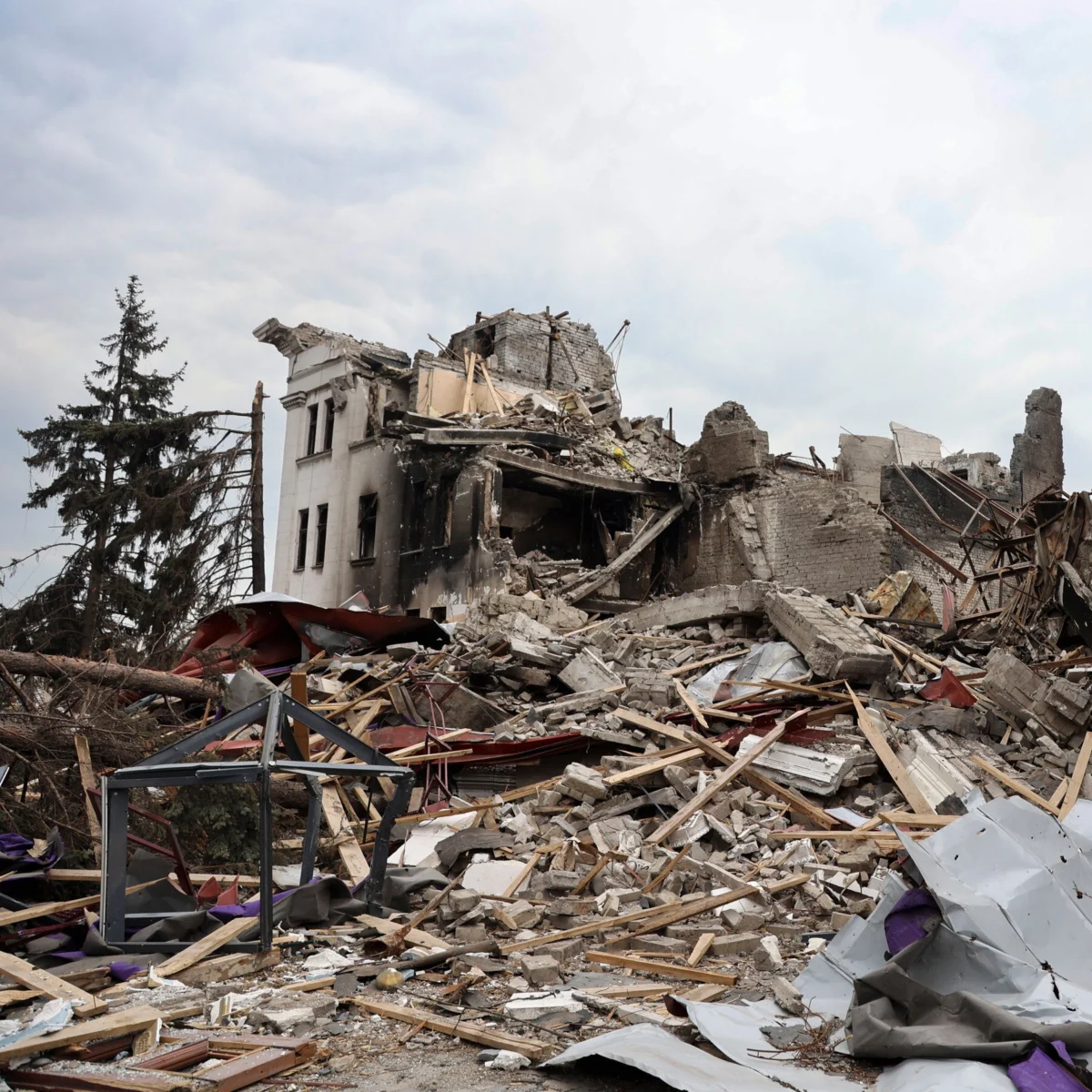
A Russian documentary claims that Ukraine, not Russia, was responsible for attacking a drama theater in Mariupol where hundreds of civilians died. The film challenges the prevailing narrative that Russian forces carried out the deadly airstrike.
The documentary presents an alternative version of events surrounding the theater bombing, which has become a symbol of civilian suffering during the war. Local residents were sheltering inside the building when the strike occurred. The attack killed hundreds, according to multiple witness accounts and international observers.
KEY FACTS
- A Russian documentary claims Ukraine attacked a Mariupol theater.
- Hundreds of civilians died in the theater bombing.
- The film contradicts earlier findings blaming Russian forces.
- The theater was being used as a shelter during the attack.
- The documentary questions widely held assumptions about the incident.
What Is the Theater Bomb
The Mariupol theater bombing is one of the most documented and emotionally charged incidents of the war. In early 2022, as Russian forces besieged the city, many civilians took refuge inside the historic drama theater. On March 16, an airstrike hit the building, killing hundreds of people according to local authorities and international observers.
The tragedy became a focal point in global narratives about the war, often cited as evidence of deliberate targeting of civilians. Images of survivors and families searching for missing relatives circulated widely. The site remains a powerful symbol of loss and trauma.
Now, a new Russian-produced documentary argues that Ukrainian forces may have been responsible for the attack. This claim directly contradicts forensic investigations and testimonies from survivors and witnesses who placed responsibility on Russian aircraft.
Who Is Affected by the Narrative Shift?
Families of victims and survivors have long sought answers and justice regarding the theater bombing. Some have accused Russian authorities of denying accountability and suppressing information. Their grief and demands for truth remain central to efforts to understand the full scope of civilian harm during the conflict.
International investigators have also been involved. Organizations such as the United Nations and human rights groups have cited the theater strike in reports labeling potential war crimes. These assessments rely heavily on satellite imagery, witness statements, and open-source intelligence.
The emerging Russian documentary introduces doubt into previously held conclusions. While it lacks broad independent corroboration so far, its release adds another layer to ongoing debates over truth and propaganda in wartime narratives.
What Happens Next?
Investigative bodies continue examining evidence tied to the theater bombing site. Future inquiries might revisit assumptions based on new claims or materials presented in documentaries like this one.
Legal proceedings at international courts often require extensive documentation before assigning blame. However, shifting public opinion can influence policy decisions and support structures for affected communities.
As media coverage evolves, audiences worldwide watch closely. The stakes are enormous—truth matters deeply not only for remembrance but also for shaping future accountability processes in warfare contexts.
WHAT WE KNOW — AND WHAT WE DON’T
- Verified by the source:
-
- A Russian documentary alleges Ukraine attacked a Mariupol theater.
- Hundreds of civilians died when the theater was struck.
- The theater served as a shelter during the attack.
- The new claim opposes prior attributions of blame toward Russia.
- Still unconfirmed:
-
- Casualty numbers beyond “hundreds” have not been independently verified here.
- No independent forensic data supports or refutes the documentary’s claims within this summary.
- Witness identities referenced in earlier investigations aren’t named in the source material above.
Why It Matters
The theater bombing symbolizes immense civilian suffering and continues shaping global discourse about responsibility in war crimes. Disputes over such events influence national memories, diplomatic relations, and humanitarian responses globally throughout conflicts involving civilian populations across borders internationally.
What To Watch
Official comments from investigative bodies or additional independent analyses could shed light on whether the documentary’s assertions gain traction among experts.
The article reflects one perspective without confirming factual accuracy beyond what was stated publicly so far according to cited sources alone thus far.