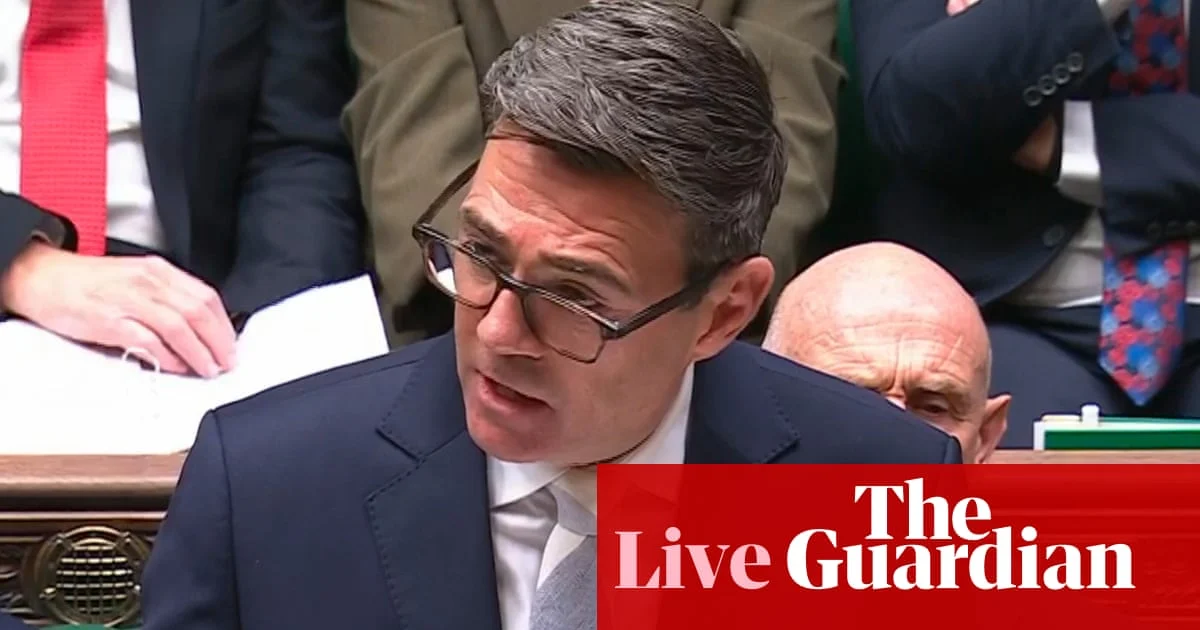
Ledford, Greater Manchester — Andy Burnham, the shadow health secretary, urged MPs to support a closer EU relationship during a speech focused on NHS pressures and public services. The prime minister confirmed the next summit with the European Union will be held on 20 November, framing future decisions around public input. Burnham opened his remarks with an account of a 73-year-old woman dying in North Wales after waiting 23 hours for an ambulance, linking the case to broader immigration and staffing concerns. He cited figures from the Royal College of Emergency Medicine stating 15,000 people across Britain died last year due to excess wait times for emergency treatment. According to Burnham, that equates to 300 people a week, with the number increasing tenfold over the last decade, which he described as a moral outrage stemming from decisions by previous Tory and Labour governments. While Burnham did not call for a direct vote on the EU relationship itself, he argued that public sentiment should guide any future direction, particularly in areas known as the red wall.
KEY FACTS
- The prime minister announced the next summit with the EU will be held on 20 November.
- Andy Burnham called on MPs to embrace closer ties with the EU.
- Burnham cited the Royal College of Emergency Medicine estimating 15,000 deaths last year from excess wait times.
- He claimed wait times have increased tenfold over the last decade.
- Burnham linked NHS delays to immigration and past government decisions.
The Story</n
What happens next?
The next formal step is the EU summit scheduled for 20 November, where the prime minister indicated that any closer EU relationship would require public backing. Burnham’s intervention adds political weight to ongoing debates about NHS funding, immigration, and post-Brexit alignment. His speech highlighted emergency care delays, referencing the Royal College of Emergency Medicine’s estimate that 15,000 people died last year due to excess wait times. While the source attributes these figures to the Royal College, it does not provide independent confirmation of their accuracy. Burnham framed the delays as a moral crisis, accusing both Tory and Labour governments of policy failures that worsened conditions over the past decade.
Who is affected?
Burnham directly addressed the impact on families and communities, particularly those in constituencies referred to as the red wall. He used the example of a 73-year-old woman in North Wales who died after a 23-hour ambulance wait to illustrate what he described as systemic failure in public services. By tying these issues to immigration, Burnham suggested that political decisions about borders and staffing affect emergency response capacity. His call for a closer EU relationship implies he sees regulatory alignment or cooperation as a way to address workforce shortfalls. However, the source does not elaborate on specific policy mechanisms he proposed.
How did we get here?
The current debate stems from ongoing tensions over Brexit’s impact on public services and cross-border cooperation. The prime minister’s commitment to holding a summit with the EU reflects continued diplomatic engagement despite previous efforts to reduce ties. Burnham’s speech comes amid wider criticism of NHS performance, where waiting lists and response times have become central voter concerns. By bringing immigration and EU cooperation into the conversation, Burnham signals a strategic attempt to broaden the political frame beyond traditional left-right divides. The source notes his belief that public opinion will ultimately shape the country’s relationship with the EU, though it does not specify how that input would be gathered or measured.
WHAT WE KNOW — AND WHAT WE DON’T
Verified by the source:
- The prime minister set the next EU summit date for 20 November.
- Andy Burnham spoke to MPs and urged embracing a closer EU relationship.
- He referenced the Royal College of Emergency Medicine’s estimate of 15,000 excess deaths annually.
- He stated that wait times have increased tenfold over the last decade.
Still unconfirmed:
- Independent verification of the 15,000 figure or its methodology.
- The specific identity or role of the 73-year-old woman mentioned.
- Details of how public input will shape future EU relationship decisions.
- Official comments from the prime minister’s office on Burnham’s speech.
Why it matters: The debate over the EU relationship intersects with pressing domestic concerns like healthcare and immigration, making it a focal point for voters in upcoming elections. How politicians connect international policy to everyday life often determines public support and electoral outcomes. This story reflects wider questions about governance, accountability, and the legacy of Brexit on public services.
What to watch: Further statements from the prime minister or EU officials ahead of the 20 November summit may clarify whether concrete steps toward a closer relationship are being considered. Updates from the Royal College of Emergency Medicine could confirm or challenge the mortality figures cited by Burnham.
For related coverage, visit our politics and war-geopolitics archives.