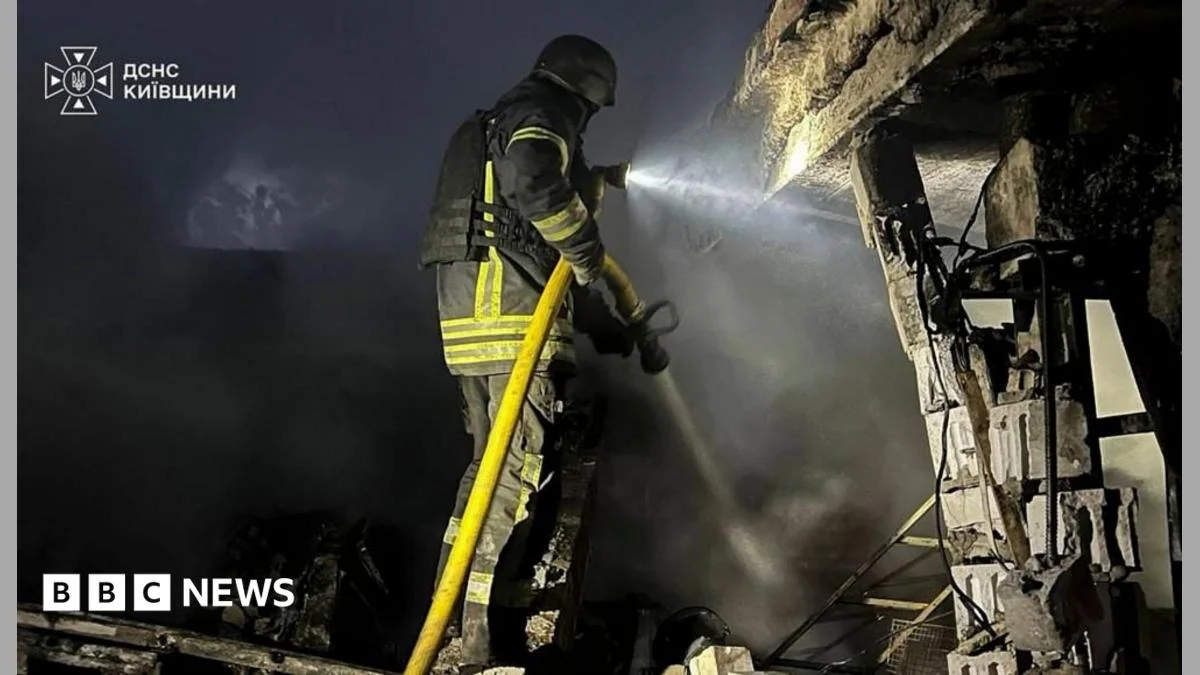
Russia launched its largest attack on Ukraine energy infrastructure since spring, according to reports. At least six people were killed and 33 others injured across the country in the overnight attacks, local authorities reported.
The strikes targeted multiple regions and marked a significant escalation in attacks on critical civilian infrastructure. Ukrainian officials have repeatedly warned that energy facilities remain vulnerable to Russian aerial bombardments during the ongoing war.
KEY FACTS
- Russia launched its largest attack on Ukraine energy infrastructure since spring.
- At least 6 people were killed in the overnight attacks.
- 33 others were injured, local authorities reported.
- Attacks occurred across multiple regions in Ukraine.
- Local authorities confirmed the casualties and widespread damage.
The Scale of the Assault
The overnight assault represented the most intense wave of strikes on Ukraine’s energy grid since earlier this year. These facilities are critical for powering homes, hospitals, schools, and essential services, especially as winter approaches. Repeated attacks on energy infrastructure have disrupted electricity supply across parts of Ukraine throughout the conflict.
While precise technical details of the weapons used are often unclear during active warfare, such large-scale strikes typically involve coordinated missile or drone fire. The energy sector has been a recurring target, with past attacks leading to power outages affecting millions of civilians.
Ukraine’s government has worked to repair damaged infrastructure quickly, but sustained bombardment can strain repair capabilities. International partners have also pledged support to help restore capacity after each major strike.
Who Is Affected?
The human cost of the latest attacks includes at least six fatalities and dozens of injuries, according to local authorities. Casualties from attacks on civilian infrastructure underscore the broader impact of the war beyond frontline combat zones.
Communities relying on centralized power generation were left without electricity, affecting daily life and essential services. Hospitals, water supplies, and heating systems all depend on stable energy delivery, particularly in colder months.
Internationally, these developments may influence diplomatic discussions around sanctions, military aid, and humanitarian responses. Observers continue to monitor whether similar or larger-scale attacks follow.
What Happens Next?
Ukrainian officials are expected to provide updated assessments of damage and recovery timelines. Repair crews are likely already mobilizing to restore service where possible.
The international community may respond with increased humanitarian or technical assistance. Continued monitoring by regional and global actors will shape future policy decisions regarding security guarantees and energy resilience.
WHAT WE KNOW — AND WHAT WE DON’T
Verified by the source:
- Russia launched its largest attack on Ukraine energy infrastructure since spring.
- At least six people were killed and 33 injured in the overnight attacks.
- The information was reported by local authorities across multiple regions.
Still unconfirmed:
- Exact number and locations of hit facilities.
- Types of weapons used in the strikes.
- Extent of damage to specific energy installations.
- Total duration of power outages caused.
WHY IT MATTERS
Attacks on energy infrastructure directly harm civilians and destabilize essential services. As winter sets in, disruptions to heating and electricity pose added risks to public health and safety in Ukraine. Such incidents also carry symbolic weight in shaping global perceptions of the conflict’s toll on ordinary citizens.
WHAT TO WATCH
Further statements from Ukrainian officials assessing damage and outlining recovery plans are anticipated. The frequency and intensity of future strikes may signal shifts in Russia’s military strategy toward targeting civilian infrastructure.