Lede
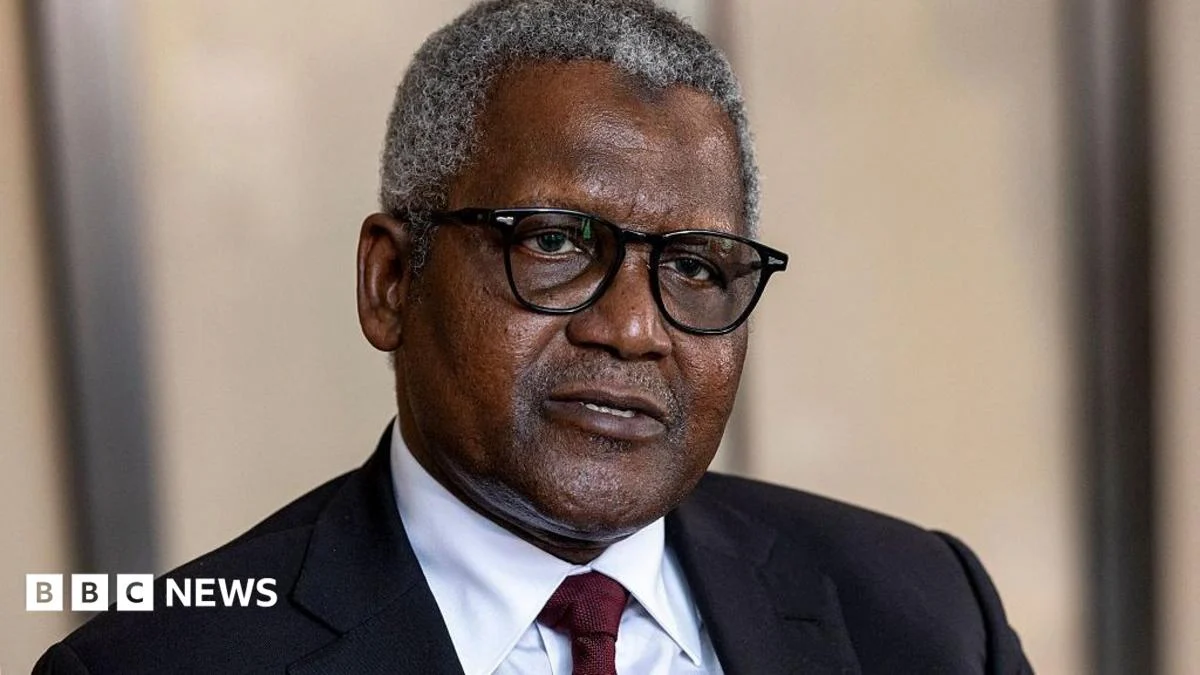
Africa’s richest man has officially launched a new oil refinery project in Kenya, according to BBC News. The launch moves forward despite ongoing land protests related to the project’s implementation.
The Kenya oil refinery is part of an ambitious continental expansion effort aimed at supporting broader industrialization goals across Africa by 2030. While the refinery represents a major step in regional energy infrastructure, local disputes over land access have complicated its rollout.
Key Facts
- Africa’s richest man launched a new Kenya oil refinery.
- The launch occurred despite land protests surrounding the project.
- The refinery is part of an effort to support industrialization in Africa by 2030.
The Story
What happens next?
The future of the Kenya oil refinery remains uncertain, particularly in light of continued community resistance tied to land use concerns. BBC News reports that protests have already emerged during the project’s early phases, suggesting potential delays or modifications may follow.
Industrialization efforts across Africa often face logistical and social challenges, especially when large-scale infrastructure projects intersect with local land rights. These tensions can slow progress, increase costs, and require negotiation between developers and affected communities.
How the situation develops will likely depend on whether agreements are reached between project leaders and local stakeholders. Any escalation in protests could prompt revised timelines or alternative site selections for key components of the refinery.
Who is affected?
Local communities near the proposed refinery site are directly impacted by both the project’s arrival and the intensity of land-related disputes. Their involvement — through protest or negotiation — plays a central role in shaping how the initiative proceeds.
Affected populations may see economic benefits such as employment opportunities or improved access to refined fuel products once operations begin. However, they also risk displacement or loss of agricultural land if compensatory measures are insufficient.
The balance between corporate ambition and community interests defines the stakes for residents living near the refinery. Their participation in decision-making processes could determine whether the project achieves long-term acceptance and stability.
How did we get here?
This launch reflects a broader push by Africa’s wealthiest individual to build a pan-continental industrial empire, with the Kenya oil refinery serving as one node in a strategic network of energy assets. The initiative aligns with goals to reduce dependence on foreign refining and boost domestic processing capabilities.
Despite these ambitions, the path to operational status has been marked by friction with local populations who claim inadequate consultation or compensation regarding land acquisition. Such conflicts highlight common challenges faced by private developers undertaking infrastructure ventures in regions with complex tenure systems.
While details about specific terms of engagement remain limited, BBC News confirms that tensions persist. How those issues are resolved may influence similar projects planned elsewhere in the region.
What We Know — and What We Don’t
Verified by the source:
- Africa’s richest man launched a Kenya oil refinery project.
- The launch took place despite ongoing land protests.
- The refinery is intended to aid Africa’s industrialization by 2030.
Still unconfirmed:
- The exact location within Kenya where the refinery will operate.
- The specific nature or scale of the land protests reported.
- Whether formal agreements have been made with local authorities.
Why It Matters
Oil refineries play a vital role in stabilizing fuel supply chains and lowering import dependency in many African nations. When paired with broader industrial goals, they can contribute significantly to job creation and economic resilience. Yet success hinges not only on technical capacity but also on managing social dynamics around land use and community trust.
What To Watch
The next few weeks may reveal whether land-related disputes subside or intensify, potentially affecting the refinery’s timeline and scope. Further reporting from BBC News will be needed to confirm any formal resolutions or adjustments to the original plan.