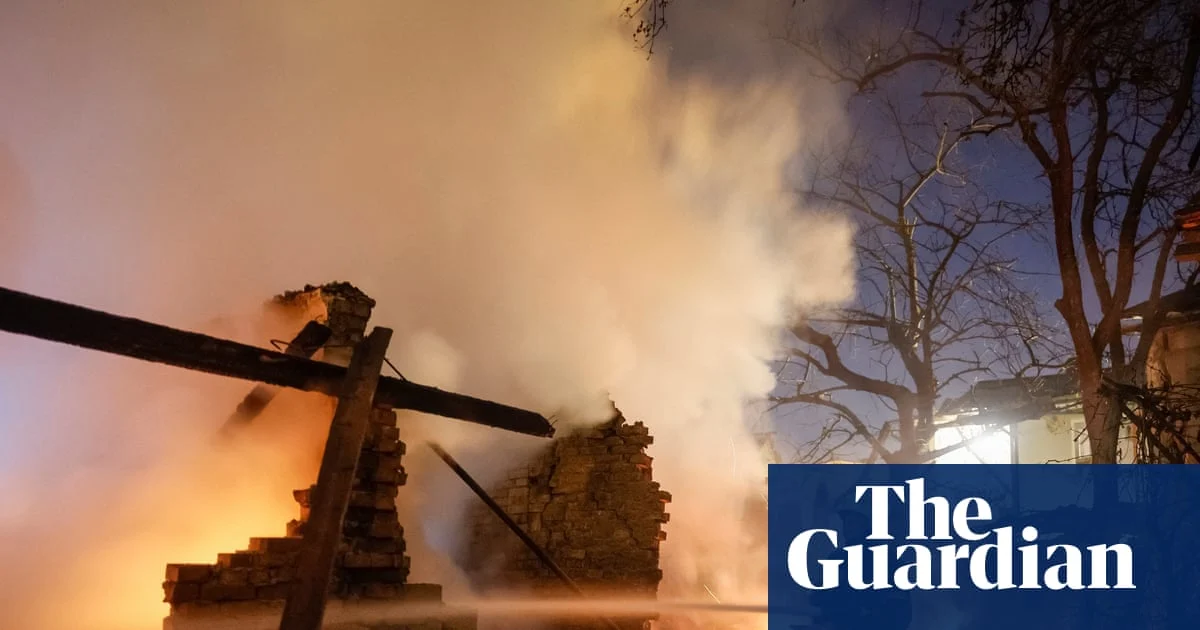
Russia carried out a large-scale air campaign targeting Ukraine’s energy infrastructure, marking the most significant assault on the power grid in months and leaving at least seven people dead. The strikes hit facilities across at least ten regions, including critical infrastructure near Kyiv, prompting emergency power cuts for the first time in the capital since spring.
The Ukrainian government confirmed that the attacks, which occurred on Wednesday, disrupted electricity supply in multiple areas as winter approaches, raising concerns about heating and lighting for millions of residents.
KEY FACTS
- Russia launched major strikes on Ukraine’s energy grid, the heaviest in months.
- At least 7 people were killed in the attacks.
- Emergency power cuts imposed in Kyiv and three surrounding regions.
- Strikes hit infrastructure in at least 10 regions.
- A child was among the dead, according to Ukrainian officials.
WHAT HAPPENED DURING THE ATTACK?
The Ukrainian prime minister stated that Russia escalated to massive strikes on energy infrastructure, with the state power grid operator Ukrenergo confirming emergency outages affecting Kyiv and surrounding areas. Critical infrastructure came under attack in five regions, with further damage reported in another five, according to the president.
The timing of the campaign aligns with forecasts predicting freezing nighttime temperatures in Kyiv within days, suggesting an effort to maximize hardship during the colder months. Ukrainian authorities have long warned of expected energy attacks as winter nears.
WHO IS AFFECTED BY THE OUTAGES?
At least ten regions experienced infrastructure damage from the coordinated strikes, disrupting power supply across central and northern Ukraine. Emergency cuts in Kyiv and three neighboring regions represent the first such measures in the capital since spring, indicating severe strain on the grid.
With winter approaching and nighttime temperatures set to drop, the loss of power threatens heating, lighting, and communication services for millions. Ukraine has been short of air defenses, making such attacks more damaging and harder to repel.
HOW DID WE GET HERE?
The latest campaign follows days of intensified drone barrages focused primarily on the capital, which many Ukrainians viewed as a precursor to broader energy-targeted strikes. Analysts suggest Russia aims to weaken morale and force resource diversion toward defense rather than frontline combat.
Ukraine’s energy infrastructure has faced repeated attacks throughout the conflict, but this appears to be the largest single wave since earlier in the war. The government continues to request additional Western military support to bolster air defenses ahead of winter.
WHAT WE KNOW — AND WHAT WE DON’T
Verified by the source:
- Seven people were killed in the strikes.
- Emergency power cuts were imposed in Kyiv and three surrounding regions.
- Infrastructure was hit in at least ten regions.
- Ukraine is experiencing a shortage of air defenses.
Still unconfirmed:
- Exact locations of damaged facilities.
- Total number of injured or affected civilians.
- Precise timing of all strikes.
- Long-term impact on electricity supply.
WHY IT MATTERS
This escalation underscores how energy infrastructure has become a central battlefield in the war, with both sides using utilities as leverage to influence public morale and government prioritization. For civilians, the loss of power during winter increases risks to health, safety, and daily life, especially for vulnerable populations such as children and the elderly.
WHAT TO WATCH
Officials have yet to provide detailed assessments of repair timelines or restoration efforts. Continued monitoring of temperature trends and grid stability will determine whether additional humanitarian or military aid becomes necessary.
Ukraine energy attack remains the key issue as winter approaches and Russia maintains pressure through infrastructure warfare.