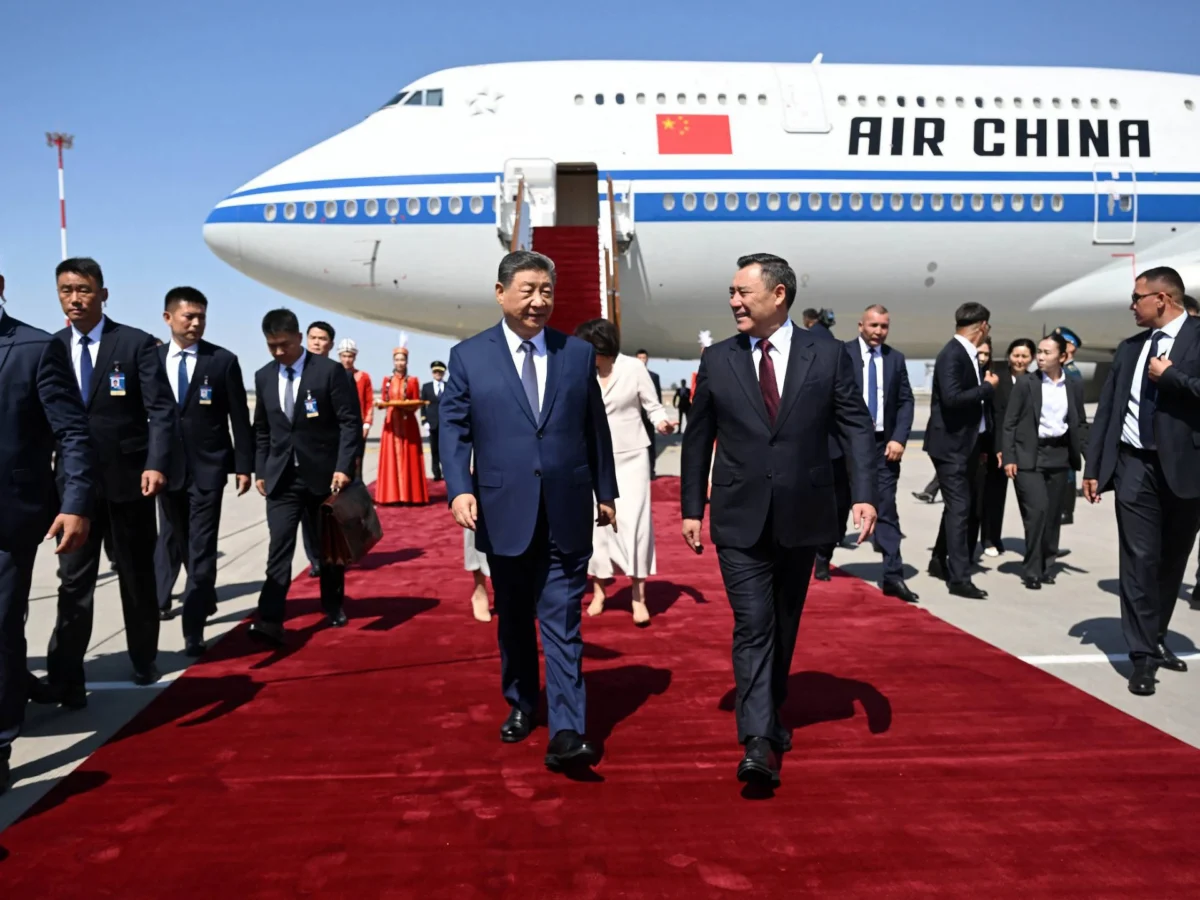
The leaders of Russia and China are set to meet at the upcoming Shanghai Cooperation Organisation (SCO) summit, according to Al Jazeera. The summit provides a platform for the two nations to align their geopolitical stances, though the organisation itself is not officially anti-West.
KEY FACTS
- Russia and China leaders will meet at the Shanghai Cooperation Organisation summit.
- The SCO is not officially anti-West, but its members, including Russia and China, use it to promote their worldview.
- The summit’s agenda and specific discussions are not detailed in the source.
What is the Shanghai Cooperation Organisation?
The Shanghai Cooperation Organisation is a political, economic, and security alliance founded in 2001. Its members include China, Russia, India, Pakistan, and several Central Asian nations. While its stated goals include regional stability and counterterrorism, it has increasingly become a forum for Russia and China to challenge Western influence.
How have Russia and China used the SCO?
Russia and China have leveraged the SCO to advance their shared interests, particularly in opposing Western-led initiatives. The summit allows them to coordinate on issues like trade, security, and diplomacy without formal alignment against the West. However, the source does not specify what topics will dominate this year’s meeting.
WHAT WE KNOW — AND WHAT WE DON’T
Verified by the source:
- The SCO summit will host a meeting between Russian and Chinese leaders.
- The organisation is not formally anti-Western, but Russia and China use it to amplify their geopolitical stance.
Still unconfirmed:
- The exact agenda or specific agreements to be discussed at the summit.
- Whether other SCO member states will align with Russia and China’s positions.
WHY IT MATTERS
The SCO summit highlights the growing alignment between Russia and China on global issues, offering a counterbalance to Western-led institutions. Their cooperation could influence regional security, trade policies, and diplomatic strategies.
WHAT TO WATCH
Observers will monitor whether the summit results in new agreements or joint statements reinforcing Russia and China’s geopolitical partnership. Any shifts in SCO member dynamics could signal broader changes in Eurasian geopolitics.