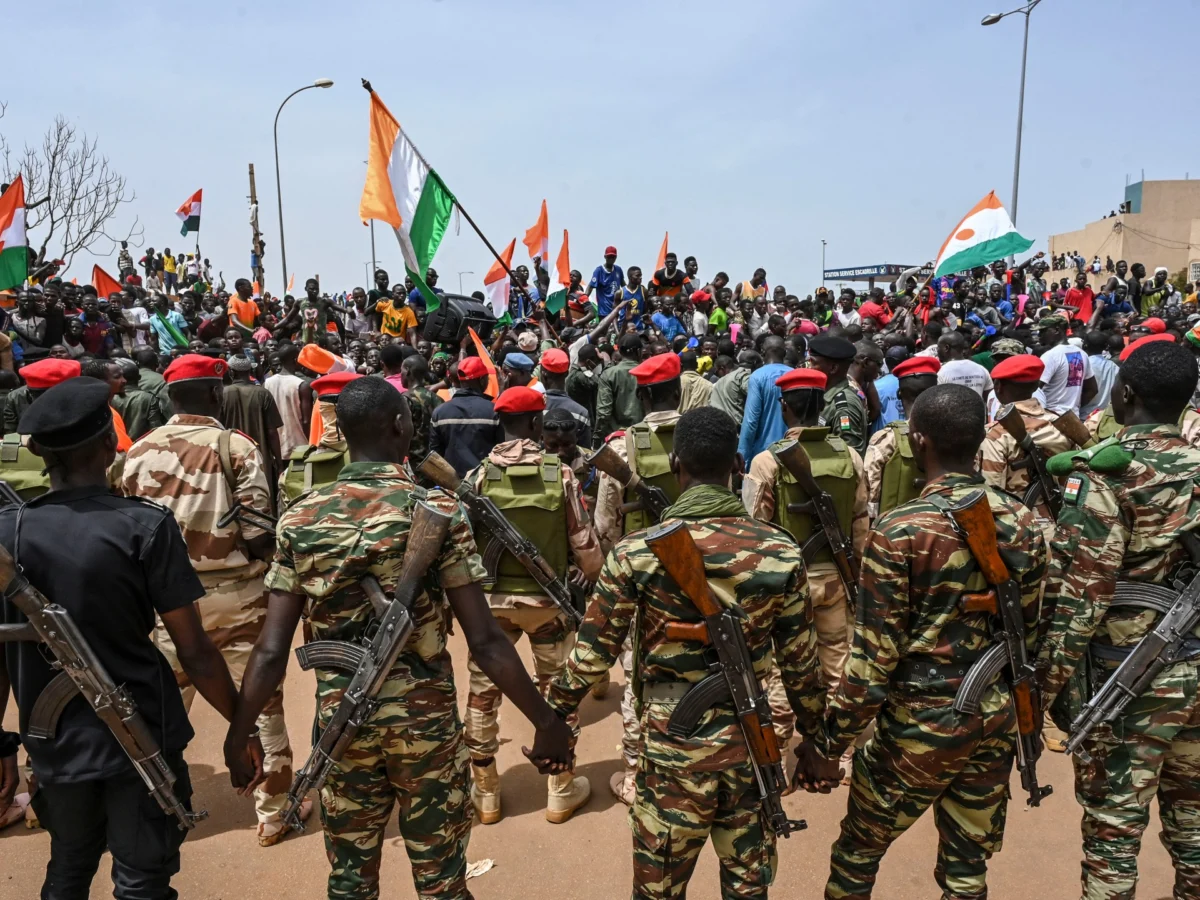
LEDE: A failed military uprising in Niger’s capital, Niamey, has exposed tensions within the country’s armed forces while testing Russia’s expanding influence in the Sahel through its Africa Corps. The incident underscores the fragile political and military landscape in Niger, where external powers like Russia are increasingly involved.
The mutiny, though unsuccessful, revealed cracks in Niger’s military and raised questions about the stability of the transitional government. Reports indicate that the Africa Corps, a Russia-linked security force, played a role in suppressing the unrest, signaling Moscow’s deepening engagements in West Africa amid shifting geopolitical alliances.
Key Facts
- An attempted military mutiny occurred in Niamey, Niger.
- The uprising exposed divisions within Niger’s military.
- Russia’s Africa Corps was involved in quelling the unrest.
- The mutiny tests Russia’s expanding role in the Sahel.
Why did the mutiny happen?
The exact causes of the mutiny remain unclear, but it reflects broader dissatisfaction within Niger’s military since last year’s coup. The military government has struggled to maintain unity, and the presence of foreign forces like the Africa Corps adds another layer of complexity. Russia’s growing footprint in the Sahel, traditionally a French sphere of influence, could further destabilize the region.
What does Russia’s involvement mean?
Russia’s Africa Corps, replacing the Wagner Group in some Sahel operations, has positioned itself as a security partner to several military-led governments in the region. Its intervention in suppressing Niger’s mutiny suggests Moscow is consolidating its role despite Western opposition. However, reliance on foreign mercenaries risks further destabilization as rival factions compete for control.
What We Know — and What We Don’t
Verified by the source:
- A mutiny attempt took place in Niger’s capital.
- Russia’s Africa Corps participated in suppressing the unrest.
Still unconfirmed:
- The exact factions involved in the uprising.
- Whether Niger’s transitional government requested Russia’s involvement.
- The long-term impact of Russia’s expanding role.
Why It Matters
The mutiny highlights the precarious security situation in Niger, where external powers like Russia are filling a vacuum left by withdrawing Western forces. If Moscow solidifies its military presence, it could reshape regional alliances and exacerbate instability in the Sahel, a region already grappling with jihadist insurgencies and weak governance.
What To Watch
Further reactions from Niger’s military leadership and whether Russia will formalize its security arrangements with the junta. Increased African Corps deployments could signal a long-term Russian strategy in the Sahel.