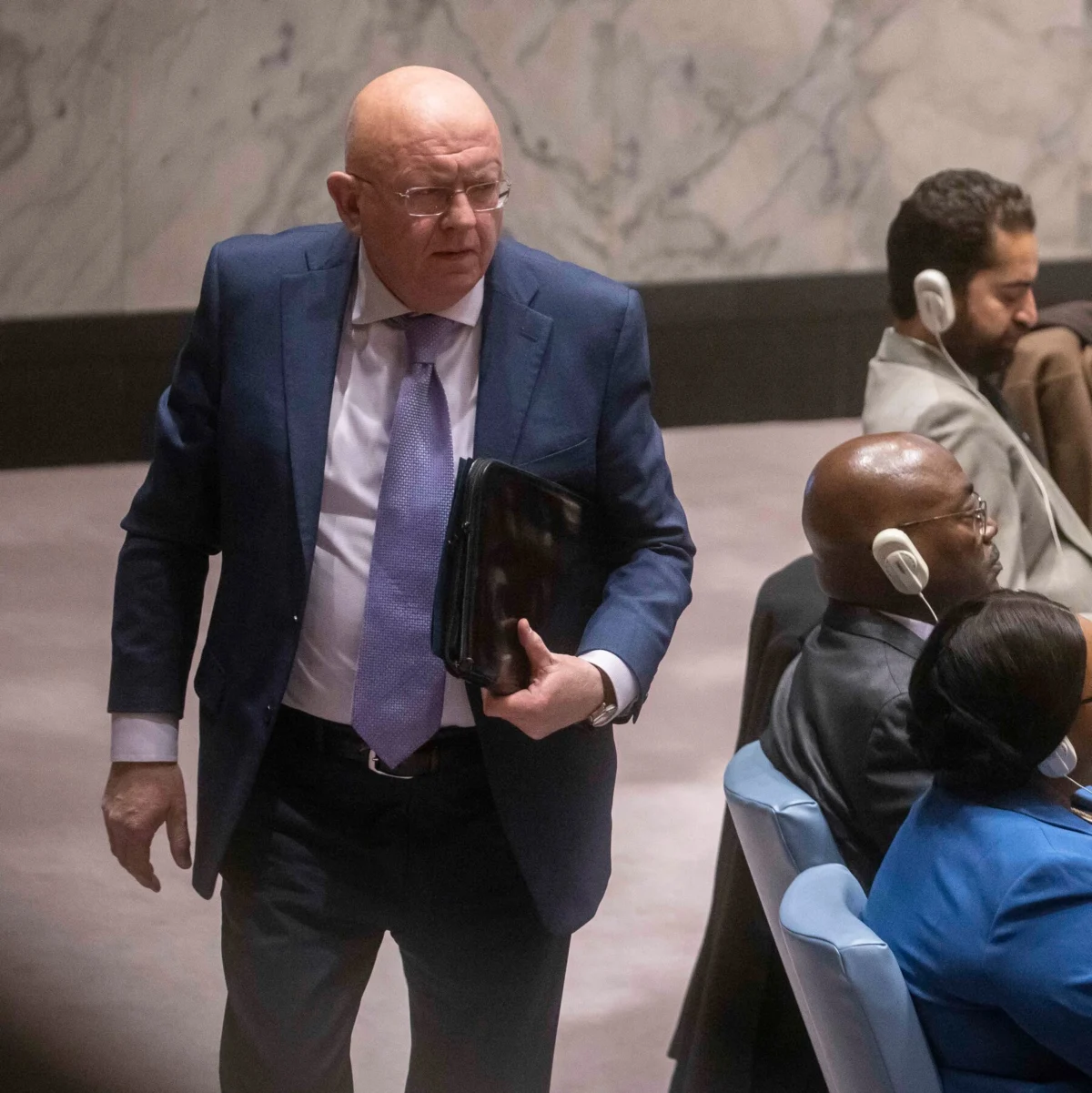
Russia and China vetoed a U.S.-led resolution at the United Nations aimed at renewing international monitoring of the Iran nuclear program, underscoring deep divisions among global powers over ongoing pressure campaigns targeting Tehran.
The move reflects sustained tensions surrounding diplomatic efforts to oversee Iran’s nuclear activities under the auspices of the U.N. The conflict emphasizes how disagreements between major nations can stall multilateral initiatives intended to manage regional security concerns tied to the Iran nuclear program.
Key Facts
- Russia and China vetoed a U.S. bid to renew U.N. monitoring of the Iran nuclear program.
- The action underscores diverging views among world powers regarding U.S. policy toward Iran.
- The dispute centers on continued oversight mechanisms linked to the Iran nuclear program.
- No vote totals or procedural details were disclosed in initial summaries.
What happens next?
With the veto in place, the proposed renewal of U.N. monitoring will not proceed unless alternate language gains traction in future sessions. The Security Council remains divided, suggesting similar deadlocks could recur if underlying disagreements persist around the Iran nuclear program.
Who is affected?
Regional stakeholders—including Iran, European partners, and neighboring states—are directly impacted by uncertainty over nuclear oversight. International agencies responsible for verification also face limitations in accessing sites or data when monitoring arrangements lapse, complicating efforts related to the Iran nuclear program.
How did we get here?
Tensions have built for months as the U.S. pushed for stronger renewal measures while Russia and China opposed them, citing sovereignty concerns and alternative diplomatic approaches. These differences trace back years of negotiations over nuclear compliance frameworks tied to the Iran nuclear program.
According to NYT > World News, the latest vote illustrates persistent global friction over balancing nonproliferation goals with geopolitical alignment.
What We Know — and What We Don’t
Verified by the source:
- Russia and China exercised their veto power against a U.S.-backed resolution at the U.N.
- The resolution sought to renew international monitoring of the Iran nuclear program.
Still unconfirmed:
- The exact number of council members supporting or opposing the measure.
- Potential timelines for follow-up negotiations or alternative proposals.
Why It Matters
This development affects ongoing diplomacy over nuclear nonproliferation norms and signals how competing strategic interests among leading powers may reshape multilateral responses to regional conflicts involving nuclear-capable states.
What To Watch
Future Security Council meetings may reveal whether compromise language emerges for renewing oversight tied to the Iran nuclear program. Officials have yet to provide detailed next steps following the veto.