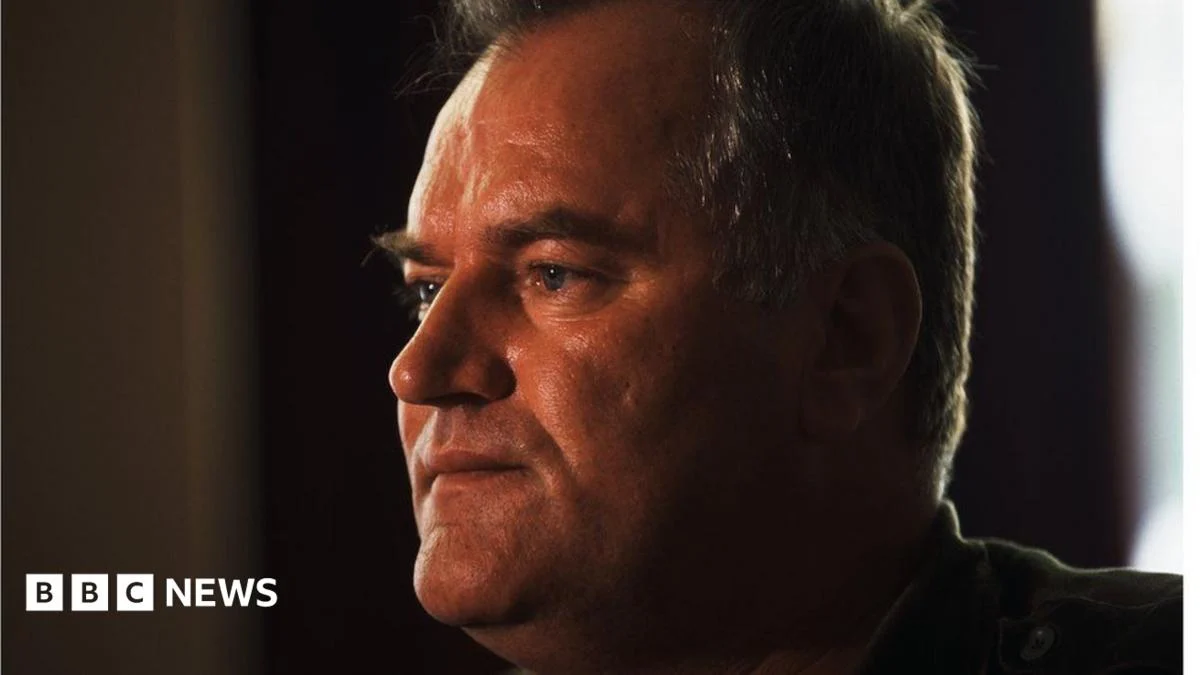
Ratko Mladic, the Bosnian Serb military leader, is known for orchestrating a brutal campaign of ethnic cleansing during the Bosnian War in the 1990s. His actions during the conflict earned him the moniker ‘Butcher of Bosnia’ due to the widespread atrocities committed under his command.
The Bosnian War, which lasted from 1992 to 1995, was marked by ethnic violence and mass displacement, with Mladic playing a central role in the Serb forces’ efforts to remove non-Serb populations from territories they sought to control.
Key Facts
- Ratko Mladic was the military leader of the Bosnian Serb forces during the Bosnian War.
- He is accused of leading a campaign of ethnic cleansing.
- Mladic is known as the ‘Butcher of Bosnia’ due to the atrocities committed under his command.
The Story
Who is Ratko Mladic?
Ratko Mladic rose to prominence as the commander of the Army of Republika Srpska during the Bosnian War. His forces were responsible for numerous war crimes, including the Srebrenica massacre, where thousands of Bosnian Muslim men and boys were killed in 1995.
What happened during the Bosnian War?
The Bosnian War was part of the breakup of Yugoslavia and involved complex ethnic and territorial conflicts. Mladic’s forces targeted Bosniaks (Bosnian Muslims) and Croats in a campaign to create an ethnically homogeneous Serb state within Bosnia.
What We Know — and What We Don’t
Verified by the source:
- Mladic led Bosnian Serb forces during the conflict.
- He is associated with ethnic cleansing campaigns.
Still unconfirmed:
- The exact number of victims directly linked to Mladic’s orders.
- Specific instances of his personal involvement in atrocities.
Why It Matters
The legacy of Ratko Mladic and the Bosnian War continues to impact the region, with ongoing tensions and efforts for reconciliation. His actions serve as a stark reminder of the dangers of ethnic nationalism and unchecked military power.
What To Watch
International tribunals have already convicted Mladic of war crimes, but the full historical accounting of his actions during the war remains incomplete.