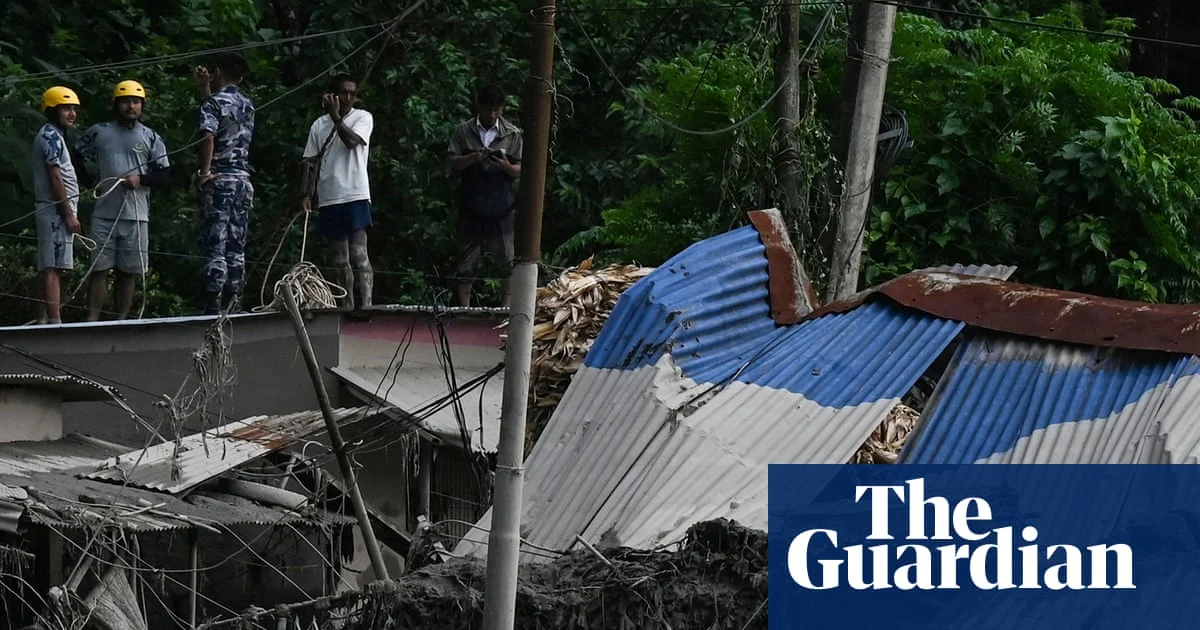
At least 33 British nationals are among the missing after flash floods ravaged the Nepal-Tibet border, killing at least 353 people and leaving nearly 1,400 unaccounted for. The disaster, triggered by a glacier collapse, has swept through valleys, destroying villages and trapping tourists in the region.
Rescue efforts are underway as authorities scramble to locate survivors in the wake of one of the deadliest natural disasters to hit the area in recent years. The floods have caused widespread devastation, with entire communities wiped out and infrastructure severely damaged.
KEY FACTS
- At least 33 British nationals are missing after flash floods in Nepal and Tibet
- Nearly 1,400 people total are unaccounted for, mostly tourists
- The floods have killed at least 353 people
- A glacier collapse triggered the disaster
- Entire villages were razed by the floodwaters
What triggered the disaster?
The flash floods were caused by a sudden glacier collapse in the mountainous region between Nepal and Tibet. This released massive amounts of water that roared down valleys with devastating force. The rapid onset of the flooding gave little warning to residents and tourists in the area.
Who is most affected?
Tourists appear to bear the brunt of the disaster, making up most of the missing persons. The region is popular with international trekkers and adventurers, particularly during this time of year. Local communities have also suffered catastrophic losses, with entire villages destroyed by the floodwaters.
WHAT WE KNOW — AND WHAT WE DON’T
Verified by the source:
- Death toll of at least 353 confirmed
- 33 British nationals among the missing
- Glacier collapse triggered the floods
Still unconfirmed:
- Total number of nationalities affected beyond British citizens
- Condition of infrastructure in the region
- Timeline for rescue and recovery operations
WHY IT MATTERS
This disaster highlights the increasing vulnerability of mountainous regions to climate-related events. The high number of international tourists affected also makes this a multinational humanitarian crisis requiring coordinated response efforts between Nepal, China (which administers Tibet), and other affected nations.
WHAT TO WATCH
Authorities continue search and rescue operations while working to establish communication with isolated areas. The international community is likely to mobilize assistance as the full scale of the disaster becomes clear.