Lede
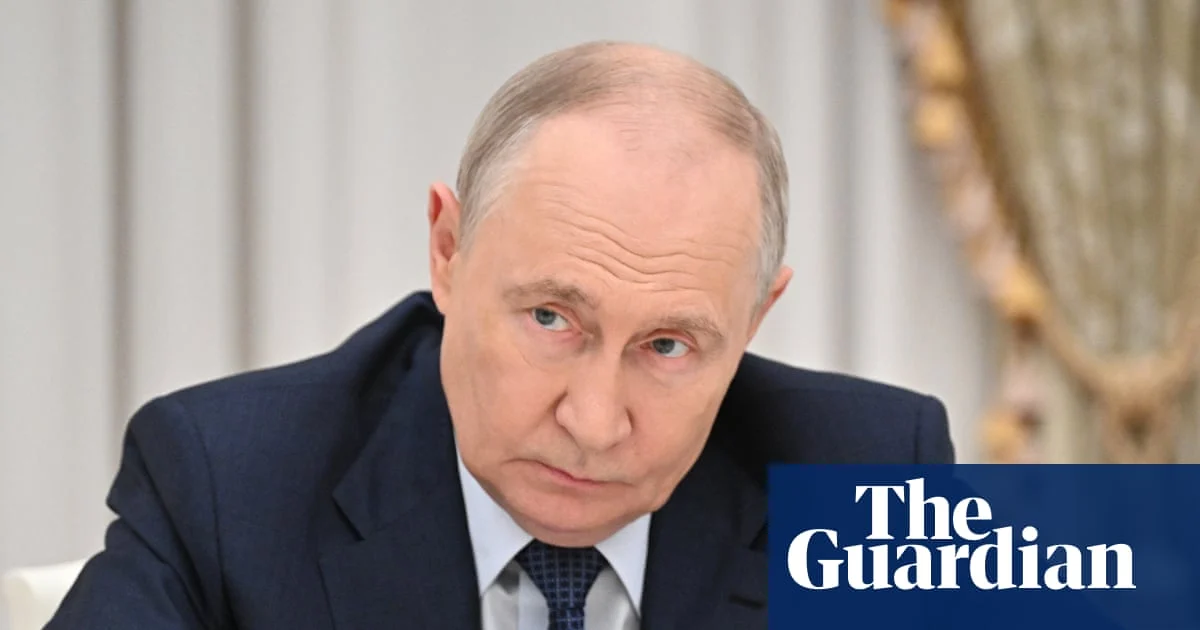
In the latest escalation of the Ukraine war, Russian President Vladimir Putin has ordered an expansion of Russia’s active-duty military to 1.55 million personnel, while Ukrainian President Volodymyr Zelenskyy warned that more North Korean troops are being deployed to support Russia.
Putin’s order, issued via a presidential decree, follows a similar troop buildup announced in August and brings Russia’s total armed forces to roughly 2.44 million. Zelenskyy said over 8,000 North Korean soldiers are already stationed in Russian territory, with preparations underway for another 10,000 to join them. The developments come as both sides continue to suffer heavy casualties in a conflict entering its fifth year.
Key Facts
- Putin raises Russia’s active army to 1.55 million, per a Monday presidential decree.
- Russia’s total armed forces will reach 2,441,630 after the expansion.
- Ukrainian President Zelenskyy says more than 8,000 North Korean troops are now in Russian territory.
- Zelenskyy claims another 10,000 North Korean troops are being prepared for deployment.
- Russia and North Korea confirmed last year that North Korean soldiers are fighting in Ukraine, calling them “heroes”.
The Story
How did we get here?
The Ukraine war, now in its fifth year, has seen both sides grind down their forces in grinding combat. Putin’s latest decree increases Russia’s active-duty personnel from 1.5345 million to 1.55 million, a modest rise that reflects Russia’s ability to mobilize deeper reserves and private military companies like the Wagner Group.
This follows a similar expansion ordered in August 2023, suggesting Moscow is steadily increasing its manpower advantage. Ukraine, meanwhile, has struggled with its own recruitment challenges, though it continues to receive Western military aid to offset losses.
Who is affected by North Korean involvement?
Ukrainian and South Korean estimates suggest North Korea has sent between 14,000 and 15,000 troops to support Russia since early 2024, with most deployed in Russia’s Kursk region to help repel a Ukrainian cross-border incursion. Their presence marks a significant shift in the global dynamics of the war.
Zelenskyy stated that these forces are being selected for training and subsequent deployment to Russia, raising concerns among European allies about the widening international scope of the conflict. North Korea’s participation also complicates diplomatic efforts, as Pyongyang is already under multiple UN sanctions.
What happens next?
Meanwhile, Russia continued its near-daily aerial bombardments of Ukrainian cities, with explosions reported in Kyiv early Tuesday. A Reuters witness described missile debris falling in a residential courtyard, and Kyiv’s mayor reported a fire at a non-residential building. On Monday, Zelenskyy said Russian drone strikes killed nine people and injured over 80 across the country.
NATO’s top military commander warned that Russia’s sabotage campaigns in Europe are failing to undermine support for Ukraine. US General Alexus Grynkewich cited incidents including a drone found at a German airport and a Russian naval ship firing flares at a Danish helicopter. He told EU lawmakers that attempts to instill fear and fracture unity are not succeeding.
Economic pressures are also mounting. Zelenskyy’s office indicated that Ukraine will delay some spending commitments, including reconstruction projects, due to delays in Western aid. The government said it remains committed to completing these projects eventually, but for now all resources must go to critical defense needs.
What We Know — and What We Don’t
p>Verified by the source:
- Putin signed a decree increasing Russia’s active-duty troops to 1.55 million.
- Total Russian armed forces will rise to 2,441,630.
- Zelenskyy said 8,000-plus North Korean troops are in Russia; 10,000 more are being readied.
- Russia and North Korea confirmed last year that North Koreans are fighting in Ukraine.
- Ukrainian officials reported civilian casualties from Russian strikes in Kyiv.
Still unconfirmed:
- The exact number of North Korean troops in Ukraine — estimates vary between 14,000 and 15,000.
- The specific locations and roles of North Korean forces.
- Independent confirmation of all casualty figures cited by either side.
- The extent of Russia’s broader strategic goals in expanding its military.
- Details behind Putin’s decision to place German retailer Metro AG under temporary administration.
Why It Matters
The simultaneous moves by Russia to expand its military and deploy foreign troops highlight how the Ukraine war is evolving into a broader geopolitical struggle. These developments test international norms around sovereignty, foreign intervention, and the effectiveness of multilateral sanctions regimes. They also underscore the importance of sustained Western support and credible channels for de-escalation as the conflict shows no signs of resolution.
What To Watch
Monday attacks continue near Ukraine’s border with Poland, drawing condemnation from Warsaw and its European allies. With both sides digging in, observers will watch whether further troop expansions or foreign deployments alter the strategic balance on the ground.
War & Geopolitics | Economy & Markets
The Ukraine war has entered its fifth year with fresh escalations including a Russian military expansion and warnings of North Korean troop deployments.