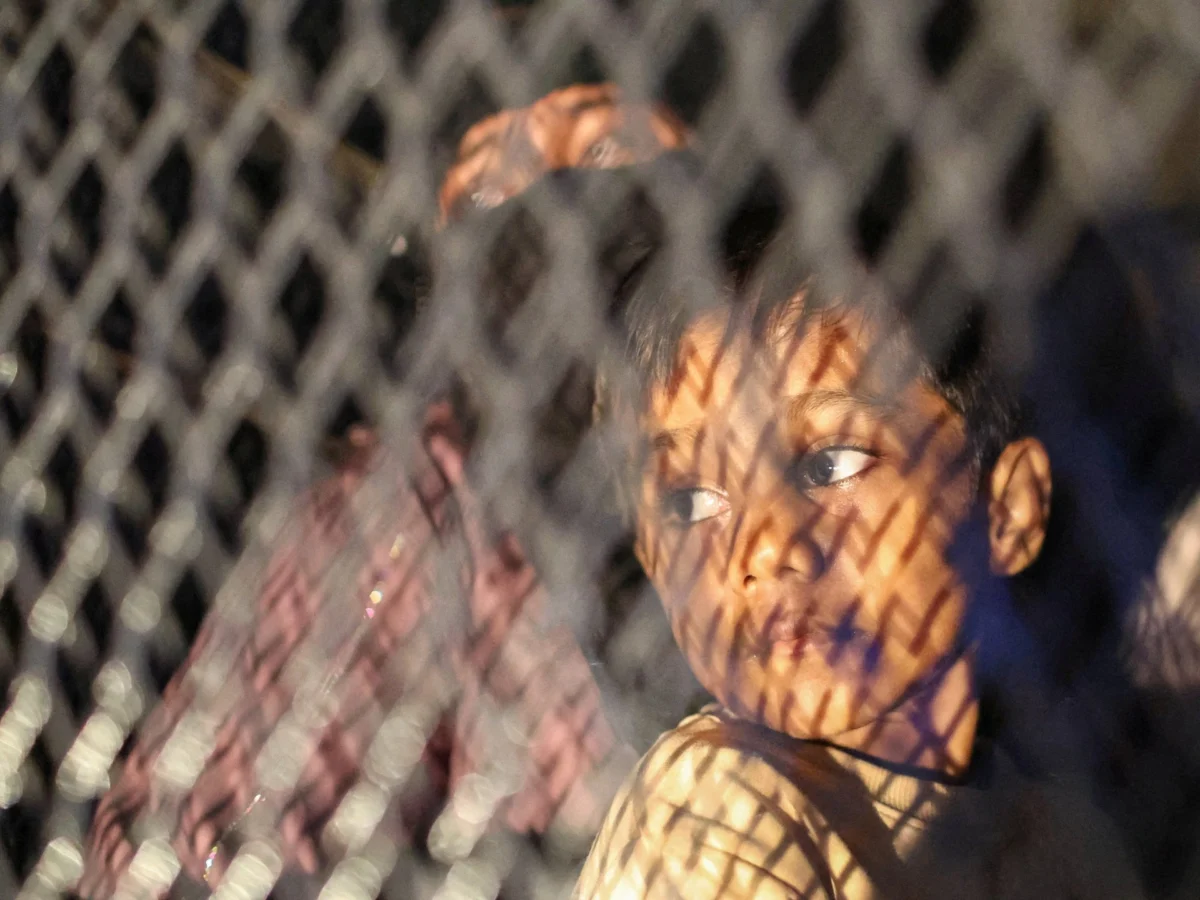
Malaysia has reversed its stance on the Rohingya refugee crisis, moving from sheltering the persecuted Muslim minority to planning their return to Myanmar. Rising hostility toward the Rohingya refugee community within Malaysia has fueled the policy shift. The Rohingya refugee crisis began when hundreds of thousands fled violence in Myanmar’s Rakhine State, seeking safety across borders including Malaysia. Malaysia previously granted temporary protection to Rohingya refugees fleeing persecution. Now the government intends to send Rohingya refugees back to Myanmar despite ongoing risks. The Rohingya people are widely denied citizenship in Myanmar and have faced systemic discrimination and violence. Their presence in Malaysia has sparked local resentment and political tension. How did this change come about? Decades of marginalization in Myanmar drove Rohingya refugees to seek asylum in neighboring countries. Malaysia became a key destination due to geographic proximity and historical migration patterns. Initially, authorities tolerated Rohingya refugees as a humanitarian gesture. However, growing unemployment and competition for jobs intensified anti-refugee sentiment. Police raids and immigration crackdowns have increased since late last year. Officials claim returns will be voluntary, though details remain unclear. International human rights groups warn returning Rohingya refugees endangers lives. What happens next remains uncertain. The government has not released a formal timeline or process for repatriation. Activists fear mass deportations could escalate violence against Rohingya refugees. Who is affected includes over 100,000 registered Rohingya refugees currently living in Malaysia. Many arrived as children and know no other home. Deportation would separate families and expose individuals to detention in Myanmar. Legal experts say such actions may violate international non-refoulement principles. Yet public pressure on the government continues to rise. Meta description: Malaysia once sheltered Rohingya refugees but now plans to deport them amid rising tensions, raising new concerns over safety and legal obligations.
KEY FACTS
- Malaysia gave Rohingya refugees sanctuary after fleeing Myanmar.
- It now plans to send Rohingya refugees back to Myanmar.
- Rising hate against refugees influences current policy direction.
- The shift follows growing local resentment and political pressure.
- Human rights concerns surround potential returnee outcomes.
THE STORY
How did we get here?
For decades, Myanmar treated the Rohingya as illegal immigrants rather than citizens. Violence erupted in Rakhine State in 2017, prompting mass exodus. Most fled to Bangladesh or Malaysia, where many expected temporary stay. But time passed and integration proved difficult. Tensions grew in Malaysian communities where jobs were scarce. Politicians used anti-refugee rhetoric to rally voters. This created fertile ground for stricter deportation policies. In March, the home minister announced plans for voluntary returns. No agreement exists yet with Myanmar or UNHCR. Still, preparations appear underway.
Who is affected?
Registered Rohingya refugees number over 100,000 in Malaysia. These include men, women, and children born abroad or arriving young. They lack legal status and often work informally. Education access varies widely among youth populations. Families fear separation if forced onto flights. Some have married locals without papers. Others converted religions hoping for acceptance. Returnees risk imprisonment or military conscription upon arrival in Myanmar. Aid workers report trauma levels remain high despite relative stability abroad. Healthcare coverage gaps persist too.
What happens next?
The government has not published detailed procedures for repatriation efforts. It claims cooperation with UN agencies ensures safe passage home. Yet no binding agreements guarantee protection once deported. Protests erupted outside immigration offices across Kuala Lumpur last week. Demonstrators carried signs reading “We Want Justice” and “No To Deportations.” Legal challenges filed by NGOs argue unlawful detention pending removal violates civil rights statutes domestically enshrined. Court rulings expected within weeks. Meanwhile, diplomatic channels engage quietly behind closed doors.
WHAT WE KNOW — AND WHAT WE DON’T
Verified by the source:
- Malaysia plans to return Rohingya refugees to Myanmar.
- Anti-refugee sentiment rose in recent years.
- Government says returns will happen voluntarily.
Still unconfirmed:
- How many Rohingya refugees face imminent deportation.
- Whether any agreements exist between Malaysia and Myanmar.
- Exact timing of planned repatriation measures.
WHY IT MATTERS
This development tests global norms around asylum and refugee protection. Forcing displaced persons into danger violates longstanding humanitarian law frameworks. It also reflects broader trends of xenophobia influencing immigration policy worldwide. Domestically, it highlights tensions between economic needs and social tolerance. Internationally, it raises questions about accountability mechanisms when states renege on moral responsibilities.
WHAT TO WATCH
Legal proceedings challenging deportation orders are ongoing. Watch whether the government begins issuing travel documents soon. Stay tuned for updates from UN officials monitoring conditions closely.