LEDE
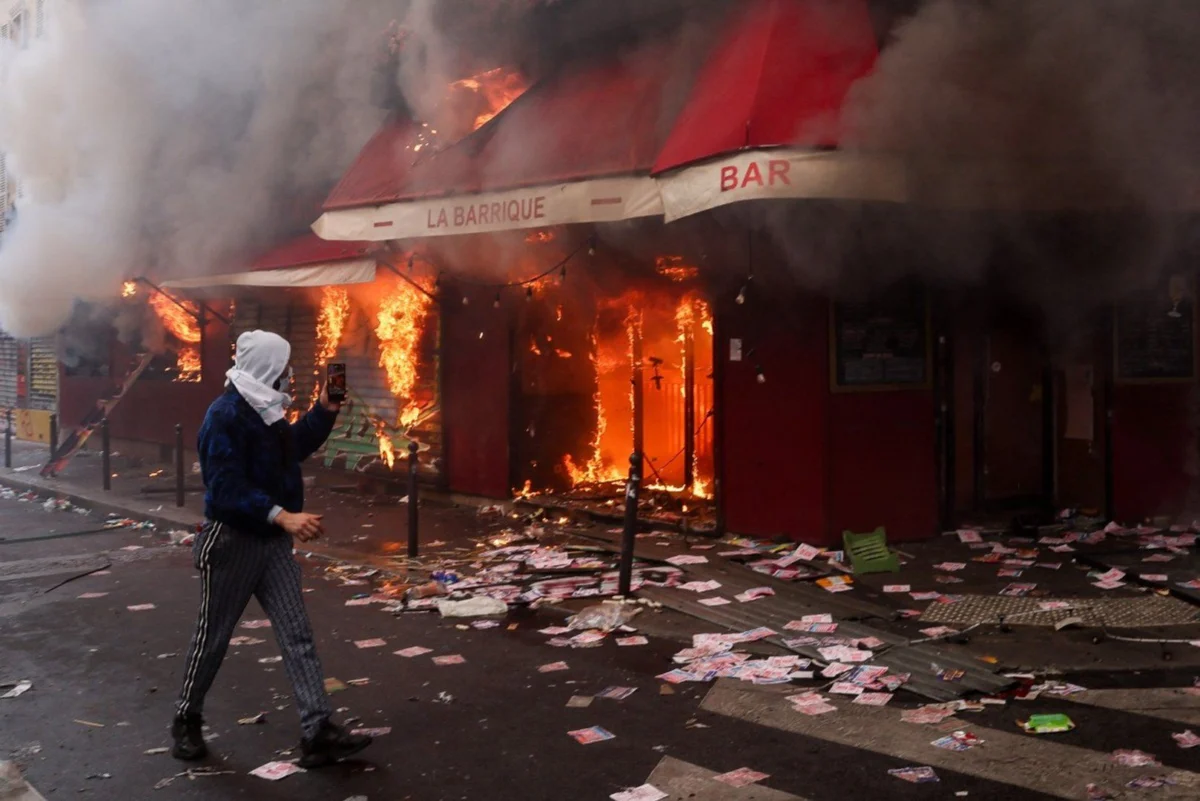
Violence erupted during cost of living protests in France as demonstrators set fire to cars and buildings, according to Al Jazeera.
The unrest marks a sharp escalation in public dissent over rising living expenses, which have strained household budgets nationwide. Al Jazeera reported that the protests turned destructive, with fires set on streets and near public structures. The exact causes and triggers behind the latest demonstrations remain unclear, but economic hardship has fueled widespread frustration among citizens. France protests have drawn attention to the growing disconnect between wage growth and inflation, sparking debates over government policy responses. As the situation develops, authorities are facing mounting pressure to address public grievances before further violence unfolds.
KEY FACTS
- Protesters set fire to cars and buildings during demonstrations in France.
- The protests are linked to rising cost of living concerns.
- The demonstrations escalated into violent clashes, per Al Jazeera.
- At least one video shows flames engulfing parked vehicles and structures.
- The unrest reflects broader public dissatisfaction with economic conditions.
THE STORY
What happens next?
Following the outbreak of violence, French authorities have not yet issued an official statement regarding arrests or emergency measures. However, past instances of civil unrest suggest that police presence may increase in affected areas. Al Jazeera’s footage indicates that fires were extinguished by emergency responders, though damage assessments remain incomplete.
Public reactions have begun to surface online, with some expressing support for the protesters and others condemning the property damage. The French government has historically responded to mass demonstrations with dialogue or policy adjustments. Whether negotiations will occur depends on how quickly stability is restored and whether leaders perceive the movement as politically significant enough to warrant intervention.
Who is affected?
Local residents and business owners are among those directly impacted by the fires and clashes. Property destruction disrupts daily life and can leave communities without access to essential services. Additionally, commuters and pedestrians in urban centers have faced safety risks and travel delays due to blocked roads and emergency activity.
Beyond immediate victims, the wider population feels ripple effects through heightened security alerts and strained public resources. Schools and government offices may close temporarily if unrest continues. Vulnerable groups, including low-income families already burdened by rising costs, face disproportionate harm when public infrastructure becomes a target.
How did we get here?
France protests over cost of living have been building for months amid surging energy prices, food costs, and wage stagnation. Inflation has outpaced salary increases, leaving many households struggling to afford basic necessities. Previous marches attracted thousands but remained largely peaceful until recent weeks.
The shift toward confrontation appears tied to a sense of urgency among activists who feel ignored by policymakers. Online organizing and grassroots campaigns have galvanized participation, while economic data validates widespread hardship. Without meaningful relief measures, experts warn that public frustration could fuel recurring episodes of unrest unless structural reforms take effect.
WHAT WE KNOW / WHAT WE DON’T
Verified by the source:
- Protesters set fire to cars and buildings.
- Demonstrations are linked to cost of living grievances.
- Al Jazeera reported the incidents in its video feed.
Still unconfirmed:
- Total number of damaged vehicles or structures.
- Identity of those responsible or arrested.
- Specific location(s) where clashes occurred.
- Government response or emergency declarations issued.
WHY IT MATTERS
The violence underscores deepening economic anxiety in France and across Europe, where households grapple with soaring prices and uncertain futures. When peaceful protest gives way to destruction, it often signals a breakdown in trust between citizens and institutions—a dynamic that policymakers must confront to prevent further instability. For now, the world watches France as a test case of how societies respond when the cost of living spirals beyond reach.
WHAT TO WATCH
Observers should monitor whether the French government announces new economic measures or deploys additional law enforcement to quell ongoing unrest. Updates from Al Jazeera and other outlets will help clarify the full scope of damage and any official responses in the coming days.