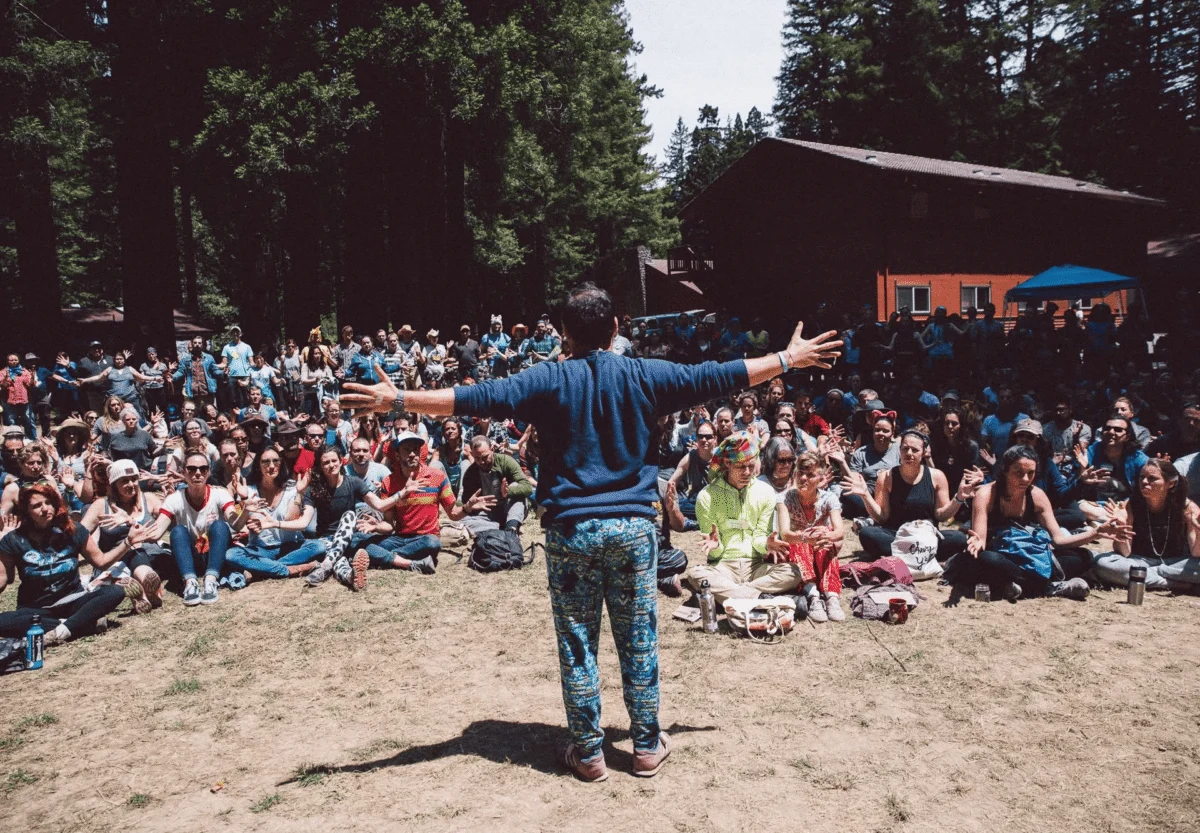
Adults returning to summer camp are increasingly choosing communal outdoor experiences over traditional vacation options, citing burnout and loneliness as key motivators. The trend reflects a broader cultural shift toward intentional community and analog downtime. This movement suggests growing emotional strain in modern adult life and a search for simpler, more connected lifestyles.
Rather than luxury resorts or isolated retreats, participants are embracing bunk beds, bonfires, and group activities reminiscent of childhood summers. Organizers report rising interest in programs explicitly designed for adults, emphasizing healing, friendship, and disconnection from digital overload.
KEY FACTS
- Adults around the world are returning to summer camp.
- Loneliness and burnout are cited as reasons for the trend.
- Participants stay in bunk beds and gather around bonfires.
The Story Behind the Trend
Why are adults drawn to summer camp again? Many say structured routines, face-to-face interactions, and screen-free environments offer relief unavailable in daily life. These programs often include team-building exercises, nature walks, and shared meals—all aimed at fostering belonging.
Unlike childhood versions, these camps target mature themes such as career fatigue, relationship stress, and mental health challenges. Counselors are trained facilitators rather than teenagers, and activities focus on emotional growth without the pressure of performance or achievement.
While exact numbers vary, anecdotal reports from camp directors suggest a sustained increase over recent years. This mirrors wider societal concerns about isolation and the mental toll of constant connectivity.
What Happens Next?
As awareness grows, more specialized offerings may emerge—including themed sessions for different age groups or life stages. Some experts speculate that corporate wellness programs might begin incorporating camp-style experiences into their benefits packages.
However, questions remain about long-term impact and accessibility. Critics argue that cost and geography could limit participation, potentially excluding those most affected by burnout and loneliness. Whether this movement evolves into mainstream therapy or remains niche is still unclear.
What We Know — and What We Don’t
Verified by the source:
- Adults globally are attending summer camps again.
- Burnout and loneliness drive participation.
- Camp settings include bunk beds and bonfires.
Still unconfirmed:
- Exact number of participating adults.
- Geographic concentration of the trend.
- Details about specific camp providers or organizers.
Why It Matters
The resurgence of adults returning to summer camp highlights how modern life pressures are pushing individuals toward unstructured, interpersonal experiences. In an era dominated by virtual communication and sedentary work, these gatherings serve as informal therapy—offering solace, structure, and connection in familiar, low-tech surroundings. The trend also underscores public health discussions around isolation and emotional exhaustion, particularly among working professionals.
What To Watch
Future reporting may reveal whether this phenomenon expands internationally or inspires hybrid models combining retreat elements with therapeutic frameworks. Researchers and policymakers alike will likely monitor whether these spaces become recognized tools for addressing widespread burnout.