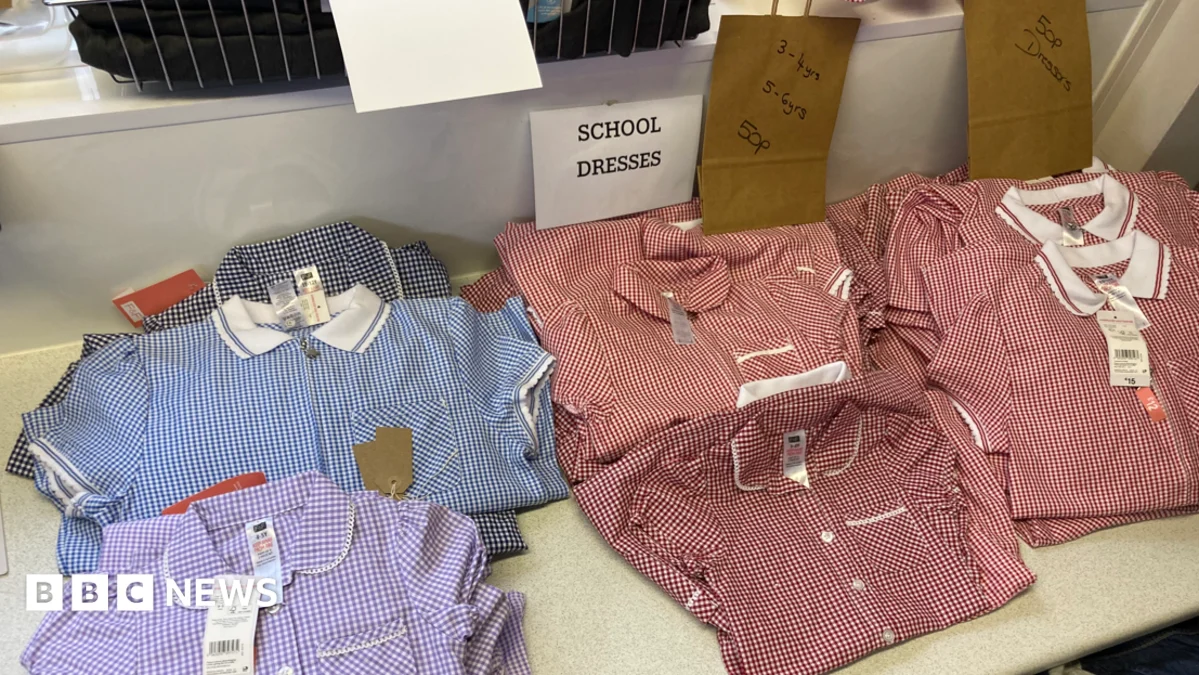
Pre-loved clothes project sells items for 50p
A pre-loved clothes initiative is offering garments for 50p each, according to BBC News. The Echo project was partly set up in response to the cost of living crisis, organisers say. The low-price model aims to make second-hand clothing more accessible to those affected by rising household costs.
Key Facts:
– Items sold for 50p each
– Part of the Echo project
– Set up partly in response to the cost of living crisis
– Organisers provided the information
The Story
What is the Echo project?
The Echo project focuses on reselling pre-loved clothes at highly affordable prices. By pricing items at just 50p, the initiative seeks to reduce barriers to affordable clothing for people experiencing financial strain. Organisers told BBC News that the cost of living crisis was a key driver behind the project’s creation. The scheme operates by collecting donated second-hand garments and redistributing them through a streamlined, low-cost retail model. This approach not only supports consumers but also promotes reuse and sustainability in the fashion sector. The 50p pricing point is designed to be simple and accessible, avoiding complex discount structures that could confuse shoppers.
Who benefits from the 50p clothing scheme?
The primary beneficiaries are individuals and families facing financial pressure due to the ongoing cost of living crisis. By offering everyday clothing at such a low price, the Echo project helps stretch household budgets further. Local communities may also benefit from reduced textile waste, as more people choose to donate rather than discard clothing. Additionally, the project could create volunteer opportunities or support local employment indirectly through its operations. However, BBC News did not provide specific details on how many people have used the service so far or the volume of items available.
What We Know — and What We Don’t
Verified by the source:
– Items are sold for 50p
– It is called the Echo project
– It was partly set up due to the cost of living crisis
– Organisers confirmed these details
Still unconfirmed:
– Exact launch date of the project
– Locations where it operates
– Number of items or volunteers involved
– Whether it plans to expand
Why It Matters
This initiative reflects how grassroots organisations are adapting to economic hardship by providing ultra-affordable essentials. As inflation continues to strain wallets, creative solutions like fixed low-price models gain relevance. Similar schemes have emerged elsewhere as communities seek practical ways to support vulnerable residents.
What To Watch
It remains unclear whether the Echo project will expand beyond its current scope or partner with other organisations to increase its reach.