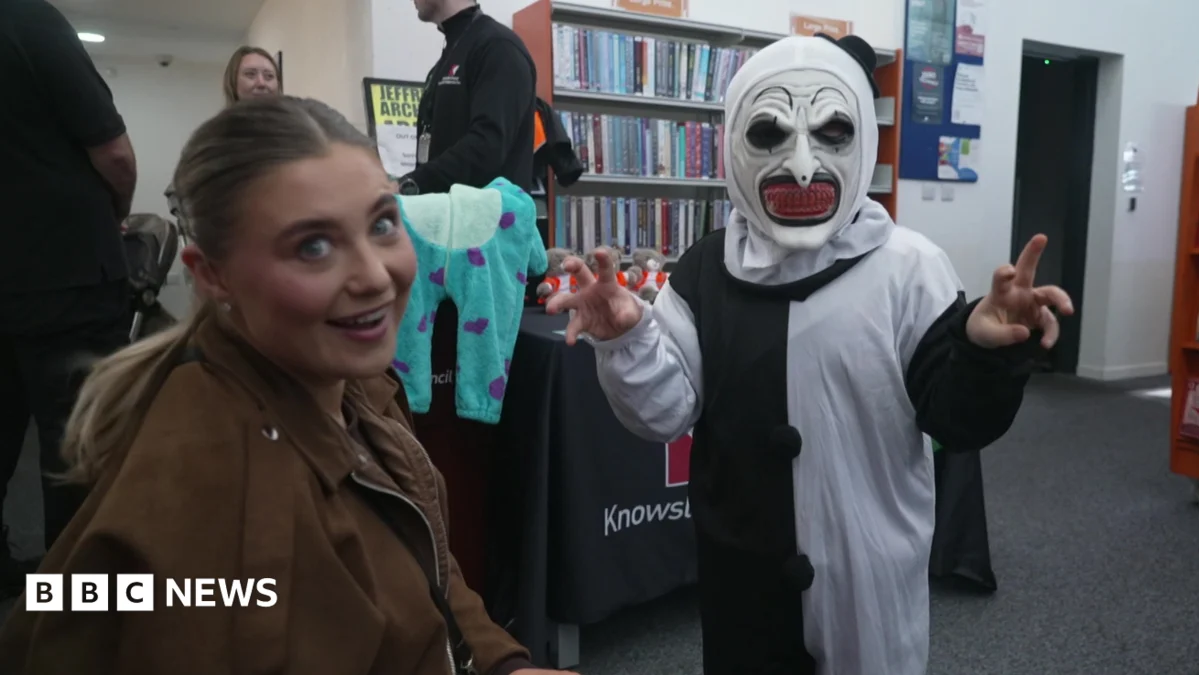
Parents are turning to costume swaps as a way to reduce Halloween expenses. According to BBC News, one mother described Halloween outfits as ‘completely extortionate,’ prompting families to seek free alternatives instead of purchasing new attire.
This trend reflects broader pressure on household budgets, with many families looking for creative ways to enjoy seasonal activities without overspending.
Key Facts
- Parents are swapping Halloween costumes to save money.
- Halloween outfits described as ‘completely extortionate’.
- Families are using free alternatives instead of buying new costumes.
The Story
Why are families swapping Halloween costumes?
The shift toward costume swaps highlights how rising prices are reshaping everyday traditions. Many households now view Halloween spending as an unnecessary expense, especially when affordable alternatives exist. By exchanging gently used costumes, families can participate in the holiday while staying within budget.
Social media and community groups have helped spread awareness of local swap events. These gatherings allow parents to share tips and resources, creating a sense of collective financial relief. The practice also introduces an element of sustainability, as costumes are reused rather than discarded after a single use.
Who is most affected?
Lower-income families feel the impact of high Halloween costs most acutely. Costumes, decorations, and candy can quickly add up, making the holiday stressful for those on tight budgets. Swapping helps level the playing field by removing the cost barrier to participation.
Retailers may also notice changes in consumer behavior. As families find alternatives to store-bought costumes, demand for new products could decline. This shift may influence how manufacturers plan seasonal inventory and marketing strategies.
How did we get here?
Increasing prices across entertainment, food, and clothing have made discretionary spending more challenging. Halloween, once seen as an affordable family tradition, has become another area where costs climb faster than income for many households. Costume swaps emerged as a grassroots response to these economic pressures.
Community organizations and schools have supported the movement by hosting official exchange events. These initiatives not only reduce costs but also foster connections among neighbors, blending practicality with social value.
What We Know — and What We Don’t
Verified by the source:
- Families are turning to costume swaps to reduce Halloween expenses.
- A parent described Halloween outfits as ‘completely extortionate’.
- Free alternatives are being used in place of purchased costumes.
Still unconfirmed:
- Exact percentage of families participating in swaps.
- Geographic distribution of swap events.
- Specific price points driving the trend.
Why It Matters
Rising Halloween costume costs reflect wider inflationary pressures affecting household budgets. For many families, holidays once considered affordable are becoming financial burdens, highlighting the need for practical alternatives that preserve both tradition and financial stability.
What To Watch
Future coverage from BBC News may clarify whether costume swapping becomes a lasting trend or fades with economic conditions.