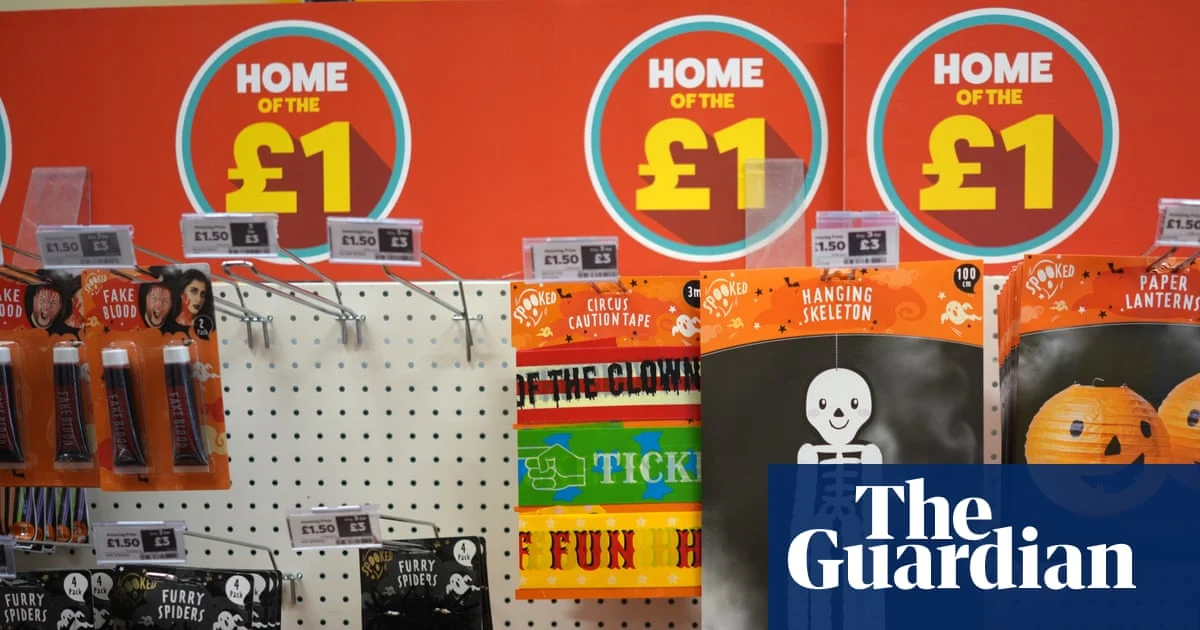
Poundland, the UK’s first and largest nationwide single-price retailer, is on the brink of administration as rampant inflation and aggressive price wars erode its core £1 value proposition.
Once praised for its simple and successful £1-only pricing model, Poundland now struggles to maintain profitability. A former executive described the original strategy as “very successful and simple,” with every item priced at exactly £1, creating unmatched clarity for customers. However, external economic pressures and internal competitive challenges have undermined this model.
Key Facts
- Poundland is on the brink of administration, according to reports.
- Its low-profile US owners are facing questions about their conduct during the chain’s struggles.
- With every product sold at £1, the pricing model once defined the brand.
- Inflation has eaten into Poundland’s ability to offer bargains, weakening its appeal.
- Heavy competition and price wars have left £1 stores exposed, intensifying financial strain.
Background: A Simple Proposition Under Pressure
Poundland built its reputation on a straightforward idea: everything in the store costs £1. This approach positioned it uniquely on the UK high street, attracting price-conscious shoppers seeking predictable, low-cost options. The model worked well for years, supporting rapid expansion and establishing Poundland as the country’s first and largest national single-price retailer.
However, sustained inflation has increased supply chain costs, making it harder to source goods at prices that allow continued £1 sales without sacrificing margins. At the same time, broader retail competition—including deep discounting by rivals—has made it difficult for Poundland to stand out.
How Did We Get Here?
The combination of macroeconomic forces and shifting consumer behavior has created a perfect storm for Poundland. Rising inflation directly impacts the company’s ability to source products at previous cost levels, limiting flexibility in maintaining fixed pricing. Simultaneously, competitors engaging in price wars have forced retailers across the sector to rethink traditional discount strategies.
These dual pressures have left single-price retailers particularly vulnerable, as they lack the dynamic pricing mechanisms used by other stores to adapt quickly to changing wholesale costs.
What We Know — and What We Don’t
Verified by the source:
- Poundland is reportedly nearing administration status.
- Its US ownership structure remains largely undisclosed.
- The company historically priced all items at £1.
- Inflation and price competition are cited as key threats.
- The former business model was described as highly successful.
Still unconfirmed:
- No official statement from Poundland or its owners.
- Exact timeline or outcomes related to administration remain unclear.
- Financial details or loss figures have not been disclosed.
- Specific actions planned by US-based owners are unknown.
Why It Matters
Poundland’s potential collapse would mark a significant shift in the UK retail landscape, affecting thousands of jobs and signaling deeper vulnerabilities among budget-focused chains navigating post-inflation economies.
What To Watch
Future developments may include official announcements from administrators or statements from Poundland’s parent company regarding restructuring efforts. Market observers are also monitoring whether other single-price retailers adjust their models in response.
This article reflects the full text of the Business | The Guardian report titled ‘Poundland in peril: how rampant inflation and price wars left £1 stores exposed.’