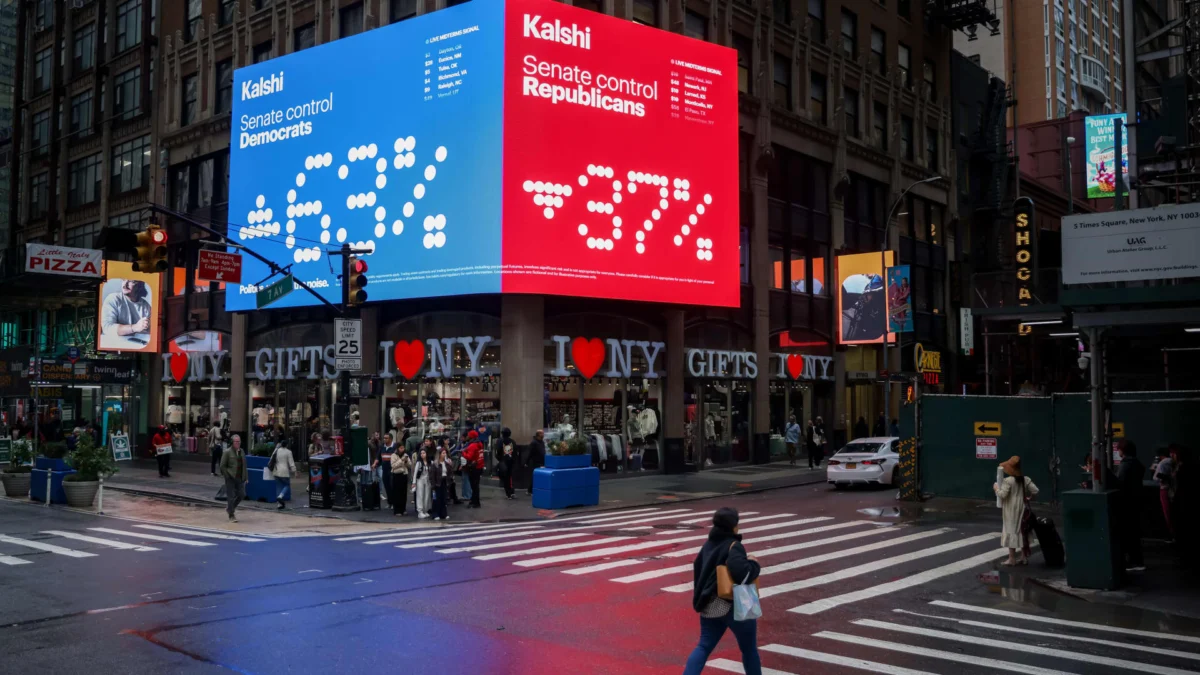
Unusual trading activity in election prediction markets has drawn scrutiny after reports of suspicious contracts trading on prediction markets. The phenomenon centers on low-volume election prediction markets where relatively small trades can cause noticeable price movements, according to US Top News and Analysis. This raises broader concerns about market manipulation and transparency in informal betting platforms tied to democratic outcomes.
Election prediction markets allow users to bet on political outcomes, with prices reflecting public sentiment. When few contracts are available, even modest trades can shift prices dramatically, potentially distorting perceptions of electoral momentum. CNBC examined these dynamics and found that limited liquidity makes certain contracts vulnerable to being moved by relatively small trades. These findings highlight structural weaknesses in some prediction market platforms that process bets on elections.
Key Facts
- Unusual price spikes observed in election prediction markets
- Low-volume contracts are susceptible to small-trade influence
- CNBC investigated suspicious trading patterns in election-related contracts
- Small trades can move relatively illiquid election prediction markets
Why This Matters
Election prediction markets shape public perception of electoral momentum and could influence voter behavior. If low-volume contracts are easily manipulated, trust in democratic processes may erode.
Who Is Affected?
Traders using election prediction markets face potential distortions in pricing accuracy. Platforms hosting these markets may see reduced credibility if manipulation risks persist. Broader audiences who rely on market prices as informal polling tools are indirectly affected by skewed data. This dynamic underscores the importance of transparency and oversight in financial instruments tied to democratic outcomes. Analysts also note that retail participants often lack protections found in regulated exchanges.
How Did We Get Here?
Election prediction markets gained prominence as alternatives to traditional polling methods. Over time, platforms introduced increasingly niche contracts with minimal trading volume. Without sufficient liquidity buffers, these contracts became prone to price swings from single-trade activity. As betting activity increases closer to election cycles, such vulnerabilities attract attention from researchers and regulators. This context helps explain why recent spikes triggered renewed scrutiny of market design practices.
What We Know — and What We Don’t
Verified by the source:
- CNBC examined unusual price spikes in election prediction markets
- Small trades can move low-volume contracts significantly
- Suspicious trading behavior was identified in election-related bets
Still unconfirmed:
- Specific platforms involved in suspicious trades
- Exact dollar amounts behind large trades
- Whether any contracts were officially suspended or reviewed
Why It Matters
Election prediction markets influence public sentiment and may indirectly affect voter perceptions. Ensuring integrity in these systems supports confidence in democratic discourse.
What To Watch
Regulatory responses remain unclear, and further monitoring of trading volumes in election prediction markets is expected as election cycles progress. Stakeholders await potential policy changes aimed at curbing manipulation risks.
Election prediction markets show vulnerabilities when low-volume contracts react sharply to modest trades, raising integrity concerns.