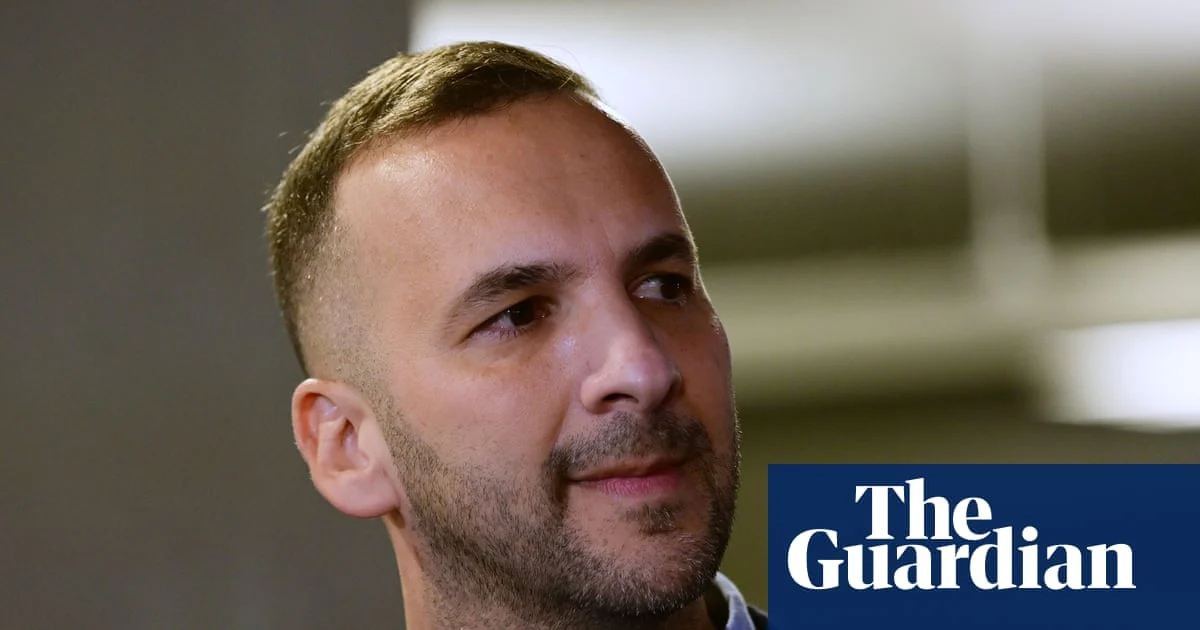
Zack Polanski has signaled a potential Green Party overhaul, suggesting that the party’s structure needs to change to allow leaders greater control over strategic direction. The move follows a divisive internal vote equating Zionism with racism, which sparked international condemnation and calls for his resignation. Polanski’s remarks, published in an article in The Guardian, mark his strongest criticism yet of the motion and its impact on party unity.
In his writing, Polanski argued that the Green Party’s rapid growth has outpaced its decision-making structures. He questioned whether political parties should seek to define what members believe, suggesting that such efforts risk deepening divisions rather than uniting activists around shared goals. His proposal to concentrate more authority in leadership reflects a broader tension between grassroots democracy and centralized direction.
Key Facts
- Zack Polanski signaled a potential Green Party overhaul after the Zionism vote controversy.
- He called for leaders to have greater control over strategic direction.
- Polanski questioned whether parties should define member beliefs.
- The motion equating Zionism with racism drew international condemnation.
- The row led to calls for Polanski’s resignation.
The Story
Why the Green Party overhaul talk now?
Polanski’s push for change stems directly from the fallout of a recent internal motion that labeled Zionism as a form of racism. The vote split the party’s membership and drew criticism from outside political circles, including international voices who worried about the precedent set by such a stance. In response, Polanski wrote that growth without structural adjustment could leave the party ungovernable.
He suggested that democratic processes must evolve alongside organizational scale. “As membership grows, so too must clarity in how decisions are made,” he wrote, framing the debate as necessary for the party’s future relevance.
What happens next for the Green Party?
The proposed Green Party overhaul has not yet been formalized into policy. Party members are expected to debate the ideas in coming weeks, though no timeline for implementation has been set. The leadership has not issued a unified statement beyond Polanski’s op-ed.
Some members have welcomed the call for reform, while others fear it erodes the participatory ideals long held by the party. Critics argue that reducing grassroots influence weakens the very principles the Greens claim to defend. Still, the pressure is mounting from those who see internal discord as a barrier to electoral progress.
Who is affected by the Green Party overhaul plan?
Every Green Party member would feel the effects of a shift toward centralized decision-making. Activists who joined to shape policy from the ground up may find fewer avenues for direct input. Conversely, supporters frustrated by infighting might welcome clearer direction from leadership.
Broader voters and advocacy groups are also watching closely. How the party resolves questions around ideology and governance could signal its readiness to compete at higher levels of government. This moment may define whether the Greens expand their reach or retreat into factional conflict.
What We Know — and What We Don’t
Verified by the source:
- Polanski wrote an article outlining his vision for changing party structures.
- He explicitly called for greater control at the leadership level.
- A party vote linked Zionism to racism and caused public backlash.
- There were reported calls for Polanski to resign following the vote.
- He publicly questioned party efforts to define member beliefs.
Still unconfirmed:
- No specific timeline exists for when reforms might take effect.
- It remains unclear whether other party leaders support these changes.
- Details of how new structures would operate have not been disclosed.
- Exact vote counts or polling data behind the motion remain unpublished.
Why It Matters
This internal struggle reflects a common challenge among smaller political parties: balancing ideological purity with practical governance. As public interest in green politics rises globally, maintaining cohesion while staying true to foundational values becomes critical—not just for electoral success but for shaping national conversations.
What To Watch
Future party conventions will likely host formal debates on restructuring plans. Whether Polanski secures backing from sitting MPs or councilors could determine if the Green Party overhaul gains traction beyond rhetoric. External reactions from allied movements may also influence momentum.
Meta description: Zack Polanski signals Green Party overhaul after Zionism vote controversy, proposing structural changes amid growing pains and leadership tensions.