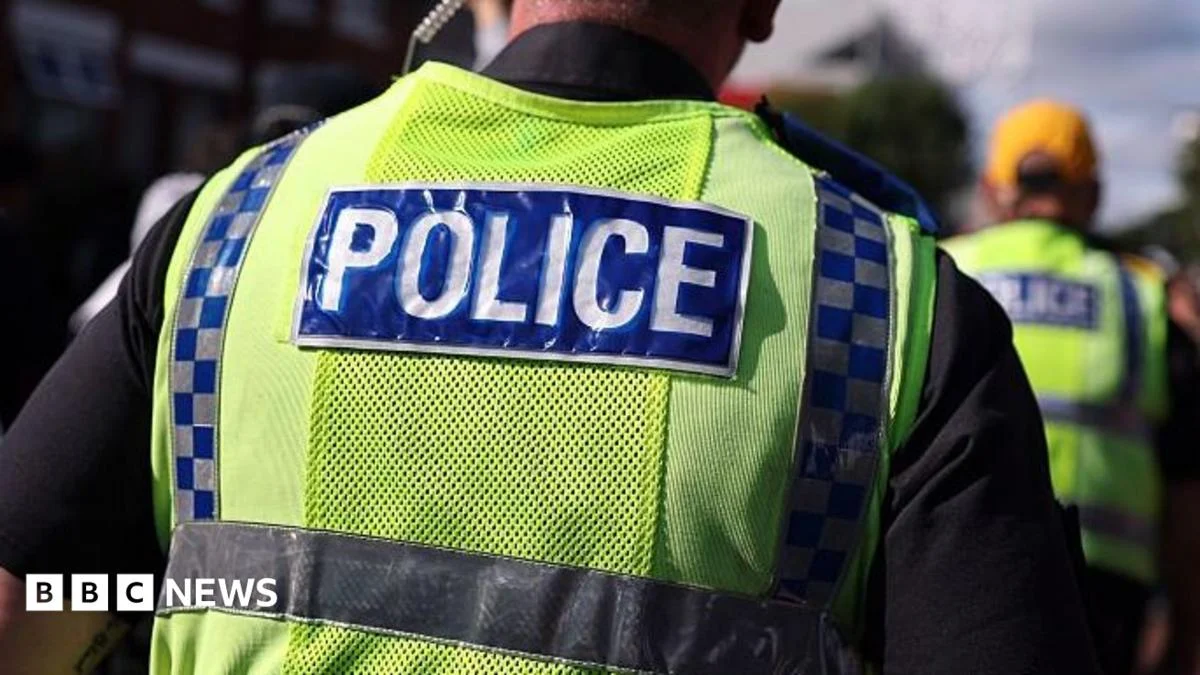
MPs are seeking to overturn a legal ruling that shields police officers from civil lawsuits in cases involving fabricated evidence, dishonesty, or negligence, according to BBC News. The effort aims to narrow the scope of qualified immunity-style protections that currently prevent victims from suing officers for misconduct in civil courts.
This push reflects ongoing concerns about accountability in policing, particularly when officers allegedly lie under oath or manufacture evidence. Advocates argue that removing immunity in such extreme cases would help restore public trust.
Key Facts
- MPs are seeking to overturn a ruling allowing police immunity.
- The immunity would no longer apply in cases of fabricated evidence.
- Dishonesty by officers is targeted for immunity removal.
- Negligence by police officers is also included in the proposal.
How Did We Get Here?
The legal framework protecting police officers from civil liability has long been a point of contention in UK public policy. Courts have historically allowed broad discretion in applying immunity, particularly in high-pressure scenarios where split-second decisions are involved. However, growing scrutiny over wrongful convictions and misconduct claims has prompted calls for reform. MPs are now pushing to restrict immunity specifically in situations where officers engage in deliberate deception or gross negligence, narrowing the circumstances under which they cannot be sued.
What Happens Next?
Details about the proposed legislative changes remain unclear, including the exact scope of the amendment and whether it will apply retroactively. MPs have not yet published full text of the bill, and legal experts caution that narrowing immunity could increase litigation risks for officers, potentially affecting morale and decision-making. The debate is expected to intensify during upcoming committee reviews, though no vote date has been publicly announced.
Who Is Affected?
If passed, the measure would primarily impact police officers accused of fabricating evidence, acting dishonestly, or being negligent in their duties. Victims of such misconduct would gain a clearer path to pursue compensation through civil courts. Legal scholars suggest the change could lead to more civil lawsuits against officers, particularly in complex cases involving allegations of perjury or misconduct during investigations. Civil liberties groups are likely to support the move, while police unions may raise concerns about increased legal exposure for frontline officers.
What We Know — and What We Don’t
Verified by the source:
- MPs are seeking to overturn a ruling related to police immunity.
- The proposed change would remove immunity in cases of fabricated evidence.
- Immunity removal would also include instances of dishonesty and negligence.
Still unconfirmed:
- The specific legal mechanisms behind the proposed change.
- Which political party or MP introduced the motion.
- The timeline or vote date for any potential legislation.
- Whether the reform applies retroactively to past cases.
Why It Matters
This development speaks to broader national conversations about transparency, justice, and oversight in law enforcement. Limiting immunity in extreme cases of misconduct could reshape how civil accountability functions within the UK legal system, influencing both public safety and individual rights.
What To Watch
Ongoing parliamentary discussions may clarify the scope and timing of any planned reforms, though details remain unconfirmed at this stage.