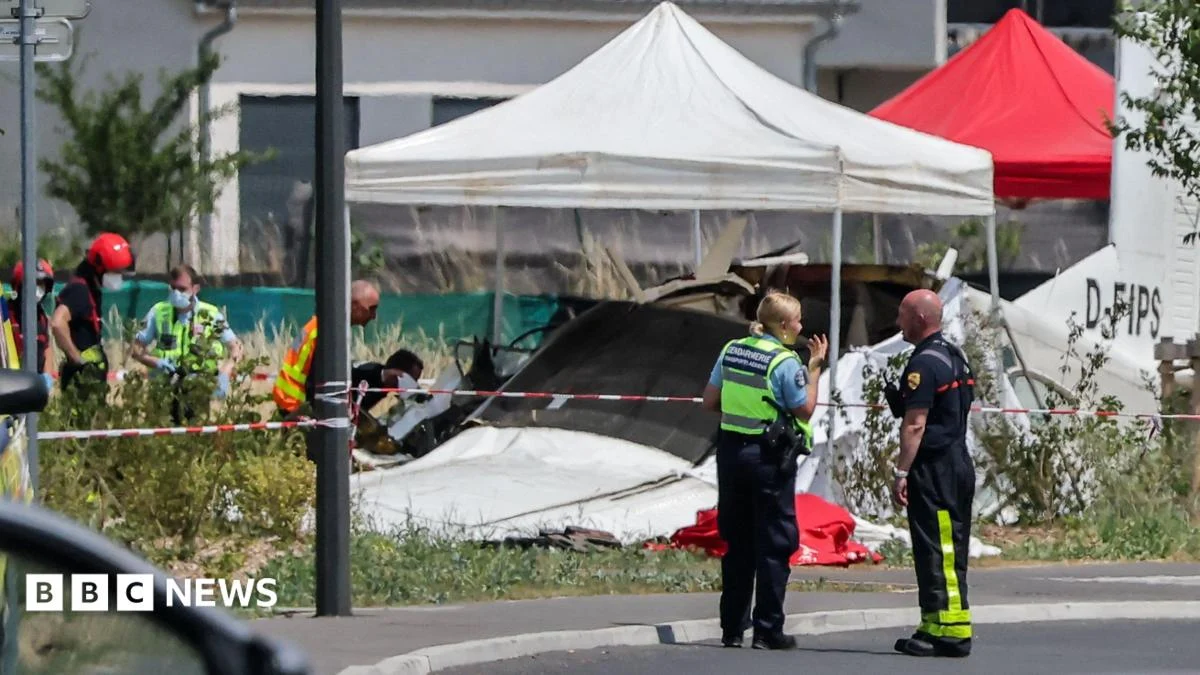
Eleven people died when a twin‑engine Cessna aircraft carrying skydivers plunged into a forest near the town of Saint‑Denis‑lès‑Rebais in eastern France.
The crash occurred at around 14:30 local time on Tuesday, according to officials from the French civil aviation authority.
All aboard – the pilot and ten skydivers – were pronounced dead at the scene.
What happened?
Witnesses say the plane stalled shortly after a high‑altitude jump and spiraled down, striking treetops before crashing.
First‑responders found the wreckage shattered across a 30‑metre clearing; the cockpit was reduced to metal fragments.
Why does this matter?
The tragedy spotlights a niche but growing sector of aviation: recreational skydiving flights. In France, about 1,200 skydiving clubs operate, moving roughly 150,000 jumpers each year.
Safety regulators have long debated stricter maintenance checks for older light aircraft used by clubs. This accident could spur new EU‑wide inspections.
For anyone who books a thrill‑seeking flight, the incident is a stark reminder that even well‑trained pilots face risks when operating under tight weight and altitude constraints.
Who is affected?
Families of the victims are grieving, and the local community in the Marne department is in shock.
The skydiving industry, represented by the French Federation of Aeronautics and Space, has promised a thorough review of operational standards.
“We will cooperate fully with the investigation and take any recommendations seriously,” the federation said in a brief statement.
What happens next?
The Bureau d’Enquêtes et d’Analyses (BEA) will lead a formal investigation, examining flight data, maintenance records, and weather conditions.
Preliminary reports are expected within two weeks, but a final verdict could take months.
Meanwhile, the aviation community is watching closely – a finding of pilot error, technical failure, or adverse weather will shape future regulations.
Stay tuned as we track the BEA’s findings and the broader impact on recreational flight safety.
Read more about aviation safety in our economy and markets coverage, or explore the latest developments in technology and AI that could help prevent similar tragedies.