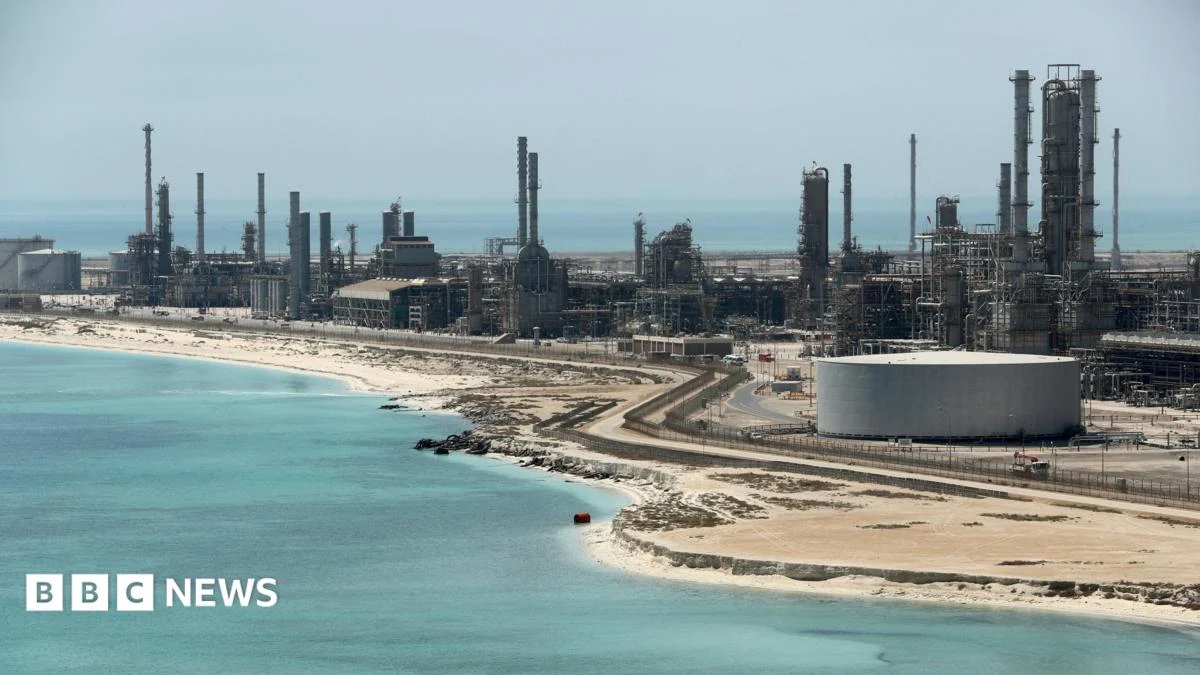
Fourteen people were killed when a helicopter belonging to Saudi Arabia’s state oil giant Aramco crashed near the company’s offshore facilities on Saturday.
The aircraft, a Eurocopter AS332 Super Puma, went down in the early hours, sending flames into the desert night and prompting a frantic rescue operation.
Authorities recovered the bodies of all occupants, confirming the death toll at 14. No survivors were found.
What happened?
According to the BBC, the crash occurred while the helicopter was en route to an offshore oil platform. The exact cause remains under investigation, with officials saying they are examining weather conditions, mechanical failure and pilot error.
Aramco has not yet released the names of those on board, but the company confirmed that the flight was part of routine personnel transport for its offshore operations.
Why does this matter?
The Aramco helicopter crash highlights safety challenges in the energy sector, where remote offshore sites depend on air transport.
Saudi Arabia produces roughly 10 million barrels of oil per day, and any disruption to personnel movement can ripple through global oil markets. Investors watch such incidents closely; a sudden safety scare can affect confidence in the kingdom’s energy infrastructure.
For everyday readers, the tragedy underscores how a single accident can impact global fuel prices, travel safety regulations, and even the cost of gasoline at the pump.
What happens next?
Saudi authorities have launched a formal probe, and the investigation team will interview witnesses, examine flight data recorders and assess the wreckage for signs of structural failure.
Aramco is expected to cooperate fully with investigators and may temporarily suspend similar flights pending safety reviews.
Follow-up reports will track the inquiry’s findings and any policy changes affecting the aviation side of the oil industry.
Stay tuned as we continue to monitor the investigation and its broader implications for economy and markets worldwide.