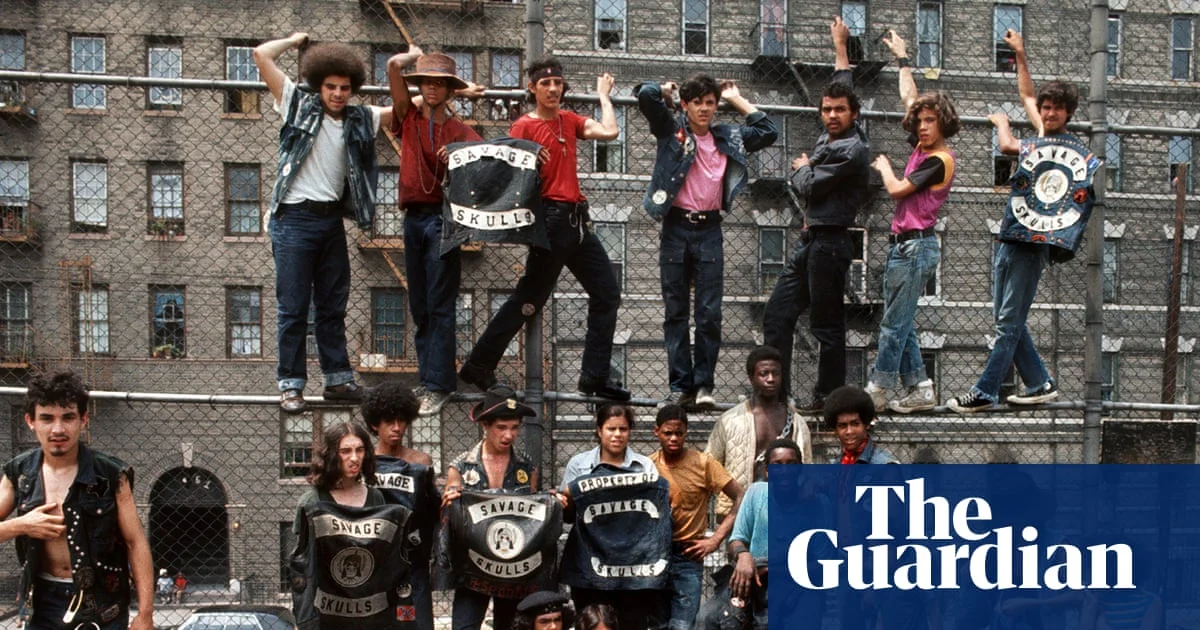
In 1972, French photographer Jean-Pierre Laffont began documenting Bronx gang violence after reading New York Times stories about gangs targeting young drug dealers.
Laffont, who moved to New York in 1965 and became Gamma Agency’s first U.S. correspondent, focused on the Savage Skulls, described as the most dangerous gang in the area. He recalled that police were finding bodies at the bottom of five-story buildings where drug dealers had been thrown by gang members.
Key Facts
- Jean-Pierre Laffont documented Bronx gang violence in the 1970s for Gamma Agency
- The Savage Skulls were described as the most dangerous gang in the Bronx
- Gang members targeted young drug dealers who preyed on local youth
- Police discovered bodies at the bottom of five-story buildings
- Laffont became Gamma Agency’s first foreign correspondent in 1969
The Story
Jean-Pierre Laffont arrived in New York in 1965 with plans to start a small news agency, but quickly found himself working solo as a freelance photographer. The late 1960s and most of the 1970s proved challenging for the city, with high crime rates and economic hardship particularly affecting neighborhoods like the Bronx.
While working as the Paris-based Gamma Agency’s first U.S. correspondent, Laffont maintained a focus on personal projects despite official assignments. This approach led him to investigate the growing gang problem in the Bronx, where stories of violence against drug dealers were becoming increasingly common.
Laffont’s interest centered specifically on the Savage Skulls, which he identified as the most dangerous among several active gangs including the Savage Nomads and the Dirty Dozen. These groups, according to reports he read, were systematically targeting drug dealers who were preying on local young people.
Who Is Affected By the Violence?
The primary victims were young drug dealers who targeted Bronx teenagers and children. Laffont noted that gangs viewed these individuals as threats to their communities and responded with extreme violence. The consequences often proved fatal, with bodies discovered in particularly stark circumstances.
Beyond the immediate victims, entire neighborhoods suffered from the climate of fear created by gang warfare. Young people growing up in these areas faced constant danger from both drug dealers and the gangs seeking to eliminate them.
Laffont himself acknowledged personal risk in documenting this violence, stating he did not want to search for bodies alone. His photographic work provides rare documentation of a turbulent period in New York City history.
What Happens Next?
The long-term impact of Laffont’s photographic documentation extends beyond simple record-keeping. His images serve as historical evidence of conditions during New York’s fiscal crisis era.
While specific policy changes resulting from his work remain unmentioned in available reporting, the photographs themselves contribute to understanding urban decay and community responses during the 1970s.
What We Know — and What We Don’t
Verified by the source:
- Jean-Pierre Laffont moved to New York in 1965 and became Gamma Agency’s first U.S. correspondent in 1969
- He documented Bronx gangs after reading related stories in the New York Times in 1972
- The Savage Skulls were identified as the most dangerous of several Bronx gangs
- Gangs targeted young drug dealers who preyed on local youth
- Police found bodies at the bottom of five-story buildings
Still unconfirmed:
- Specific dates of Laffont’s photographic expeditions
- Exact number of incidents or casualties involved
- Whether any formal investigations resulted from his documentation
- Laffont’s current whereabouts or status at the time of reporting
Why It Matters
This historical documentation provides insight into urban challenges during New York’s fiscal crisis period. Understanding how communities responded to systemic problems like drug trafficking and youth exploitation remains relevant for contemporary discussions about public safety and neighborhood revitalization.
What To Watch
No follow-up actions or official responses have been reported in connection with Laffont’s photographic project. The historical record may reveal additional context through archived materials from other sources.
Bronx gang violence during the 1970s represents an important chapter in New York City’s complex social history.
<!– Related links: War & Geopolitics, Politics –>