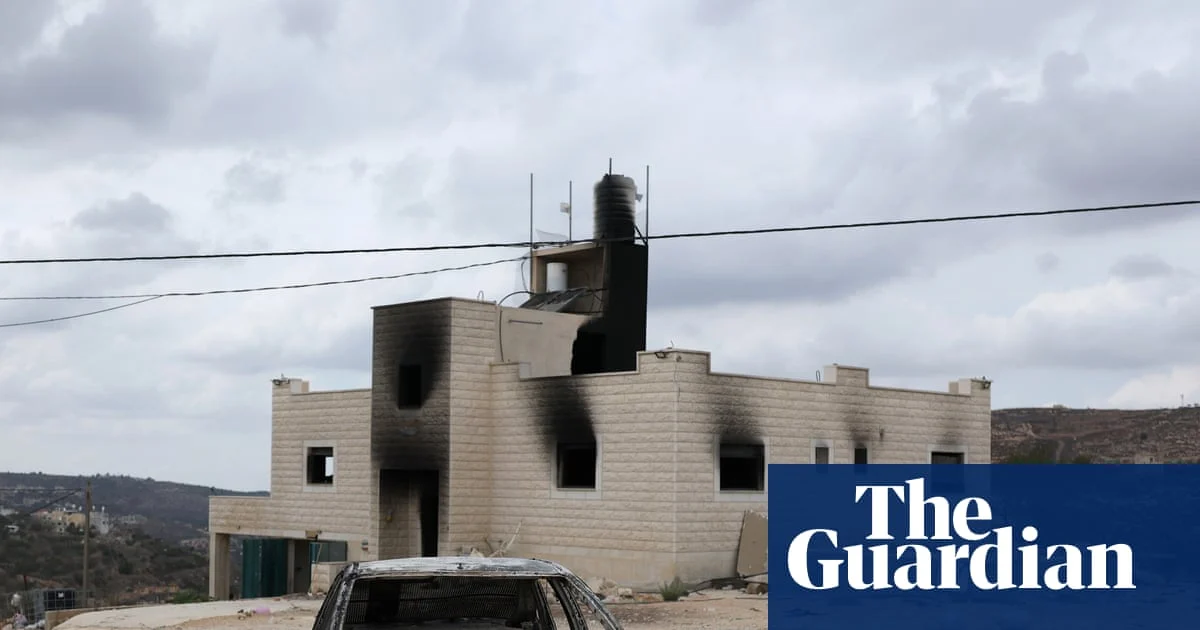
The International Committee of the Red Cross has warned that settler violence in the West Bank has made everyday life for Palestinians “untenable,” following a mob assault on a Palestinian family in the village of Jalud. More than 100 settlers attacked the family as they tried to return to homes seized by settlers, overcoming Israeli security forces and setting fire to houses. Three Israeli security officials were injured in the incident.
The attack drew condemnation from political figures, including one of Benjamin Netanyahu’s main rivals, who warned of a campaign of settler terror. The ICRC’s statement underscores growing concern over the frequency and intensity of settler violence in the occupied West Bank. Palestinian residents have long reported harassment, land disputes, and physical attacks by Israeli settlers, often with limited intervention from security forces.
Key Facts
- : ICRC says settler violence in the West Bank has made everyday life for Palestinians “untenable”.
- A mob of over 100 settlers attacked a Palestinian family in Jalud attempting to reclaim homes seized by settlers.
- Settlers overwhelmed Israeli security forces, and three Israeli security officials were injured.
- Houses were set on fire during the attack, according to the report.
- The assault prompted condemnation from one of Benjamin Netanyahu’s main rivals, warning of settler terror.
The Story
Who Is Affected?
The immediate victims were a Palestinian family in Jalud attempting to return to homes they say were seized by settlers. The ICRC highlighted that such incidents contribute to an environment where basic daily life becomes unsafe for Palestinians across the West Bank. Israeli security forces were also affected, with three officials injured while trying to intervene. These dynamics deepen tensions between Israeli civilians and Palestinian residents, often with limited independent oversight of outcomes.
How Did We Get Here?
Settler violence in the West Bank has steadily increased amid ongoing political tensions and disputed land claims. The ICRC’s public statement reflects a broader pattern in which humanitarian organizations express alarm over the treatment of civilians in contested areas. In Jalud specifically, disputes over housing and land ownership have repeatedly sparked confrontations. The involvement of political leaders suggests the incident is part of wider domestic debates about security and governance in the region.
What Happens Next?
Following the ICRC’s condemnation, pressure may build on Israeli authorities to investigate the assault and clarify policies regarding settler conduct in the West Bank. Political figures have already voiced concerns, signaling that the issue remains high on the domestic agenda. Humanitarian bodies may also increase monitoring of similar incidents. For now, the situation in Jalud and surrounding areas remains tense, with no formal resolution reported by the source.
What We Know — and What We Don’t
Verified by the source:
- The ICRC reported that settler violence has made life “untenable” for Palestinians in the West Bank.
- More than 100 settlers attacked a Palestinian family in Jalud on their way home.
- Israeli security forces were present but overwhelmed; three officials were injured.
- Houses were set on fire during the attack.
- The incident prompted criticism from one of Benjamin Netanyahu’s main rivals.
Still unconfirmed:
- The exact date and time of the attack are unclear beyond “early on Tuesday”.
- No names of individuals or officials were provided in the summary.
- Details about injuries or arrests among settlers or Palestinians remain unreported.
- It is unknown whether any formal legal action has been initiated.
Why It Matters
This incident highlights a recurring challenge in the West Bank, where disputes over land and housing frequently erupt into violence. When humanitarian organizations like the ICRC publicly describe conditions as “untenable,” it signals a deterioration in civilian safety that can have wider regional and diplomatic consequences. The involvement of Israeli political leaders shows how deeply embedded these issues remain in domestic discourse.
What To Watch
Observers will look for whether Israeli authorities launch investigations into the Jalud attack or adjust policies governing settler activity. Further statements from humanitarian groups may also shed light on evolving conditions in the West Bank. Related developments in war and geopolitics or politics could reflect broader shifts in governance or international response.