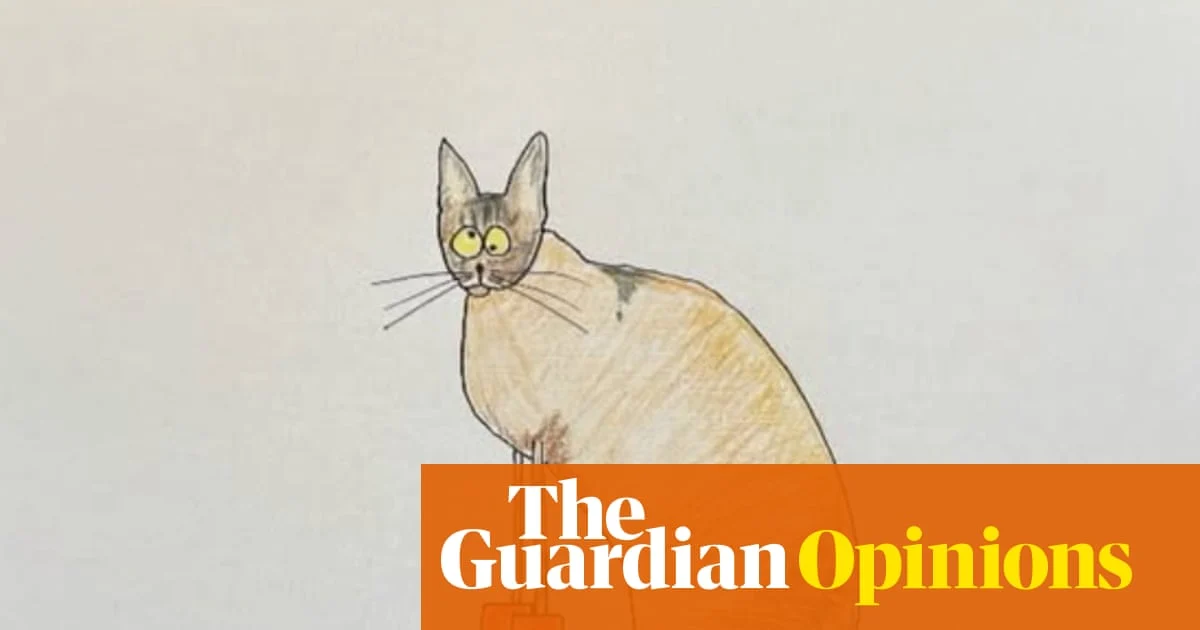
A British artist has built a full-time career by monetizing exactly what he says he is bad at: drawing. Phil Heckels, a former estate agent from West Sussex, turned his lack of artistic talent into a business after sharing a deliberately terrible portrait of his own dog on social media.
Friends began requesting similar portraits of their pets, word spread, and the venture grew into more than 100,000 requests. Rather than charging for individual portraits, he asks for charity donations instead and earns money through merchandise and books. His strict process includes only glancing at a photo moments before drawing, never restarting a sketch, and limiting each piece to ten minutes.
Heckels acknowledges occasional criticism that his portraits are “getting too good” but says real stinkers still appear regularly. His approach highlights how embracing shortcomings, rather than perfecting strengths, can sometimes lead to unexpected professional success.
Key Facts
- Phil Heckels turned bad pet portraits into a full-time job.
- He has received more than 100,000 requests for portraits.
- He only sees photos immediately before drawing each portrait.
- He never restarts a drawing and limits each to ten minutes.
- He avoids charging for artworks and suggests charity donations instead.
How did embracing lack of talent become a career?
The story reportedly began when Heckels, a former estate agent from West Sussex, posted a hilariously terrible portrait of his dog online. According to The Guardian, friends then asked him to create similar portraits of their pets. The premise, presented as monetizing what one is bad at, attracted attention and demand far beyond his immediate circle.
As word spread, the volume of requests grew dramatically. Heckels maintained a deliberately low-effort approach, refusing to perfect or restart any drawing. By declining traditional payment and instead encouraging charitable donations, he positioned the project as lighthearted rather than purely commercial, while still building a sustainable income stream.
What happens next for the portrait business?
Heckels continues to draw portraits under his original rules, and criticism that his work is “getting too good” reportedly began as early as his twelfth portrait. Despite this, he says genuinely poor drawings still appear frequently enough to maintain the project’s core appeal.
His income now comes primarily through merchandise and books rather than portrait fees. He reportedly refuses to charge for the portraits themselves, maintaining the donation-based model. The scale of public interest, with over 100,000 requests, suggests continued engagement as long as the formula remains unchanged.
What We Know — and What We Don’t
Verified by the source:
- Phil Heckels is a former estate agent from West Sussex.
- He draws deliberately bad pet portraits shared on social media.
- He has received over 100,000 portrait requests.
- He does not restart drawings and limits each to ten minutes.
- He encourages charity donations instead of charging for portraits.
- He earns income through merchandise and books.
Still unconfirmed:
- His exact current location or specific hometown within West Sussex.
- The total revenue generated from merchandise and books.
- The specific charities benefiting from donation requests.
- His precise start date or age when beginning this work.
- The exact number of portraits completed to date.
Why it matters
This story reflects a broader cultural trend of turning personal quirks and imperfections into personal brands and income streams. In an economy where traditional employment paths are shifting, embracing unconventional skills—even deliberate lack of skill—can generate attention, community, and ultimately revenue. It also underscores how social media can amplify niche ideas rapidly, transforming a joke into a livelihood.
What to watch
Heckels has not announced plans to alter his approach, and The Guardian notes he remains committed to his ten-minute, no-restart rule. Future changes to pricing, format, or scale would likely signal evolution in the project.
Bad pet portraits have become a full-time career for one artist who leans into his lack of skill rather than hiding it.
Economy and Markets ❤
Tech and AI
Category: Top Stories