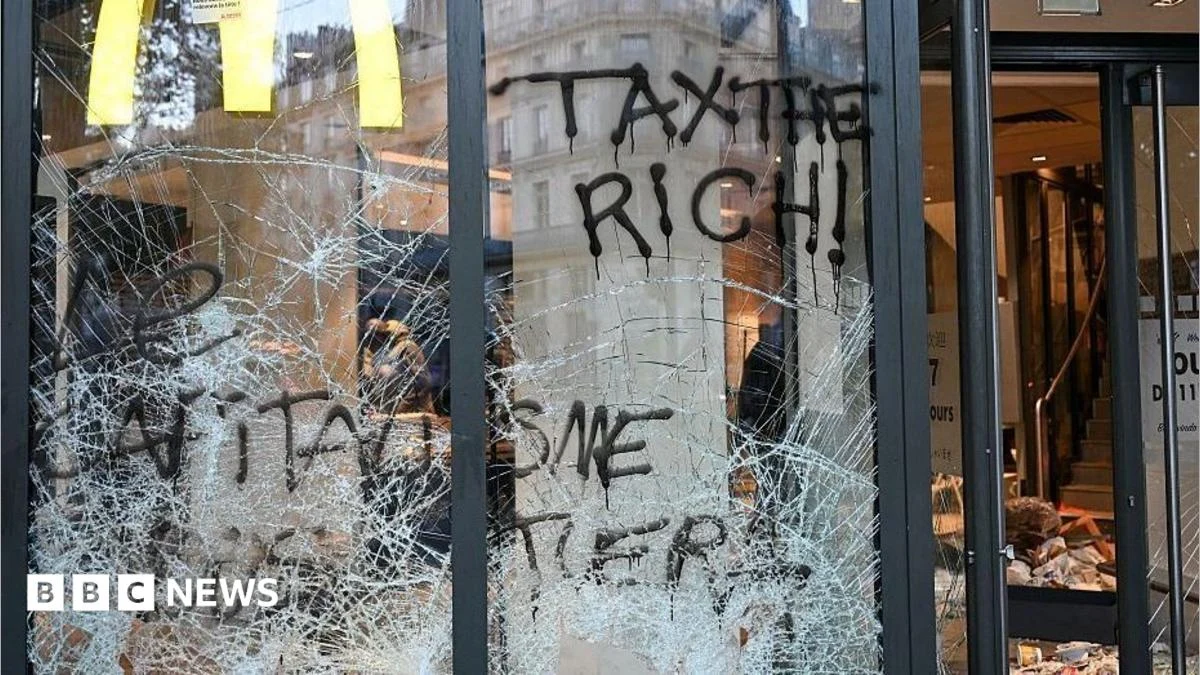
Protests across France turned violent, resulting in property damage and a nationwide arrest sweep that detained approximately 1800 people, according to BBC News.
The unrest left Paris streets littered with burnt-out vehicles and broken glass following looting and vandalism. Tensions flared during what began as nationwide demonstrations before escalating into riots in multiple areas.
KEY FACTS
- About 1,800 people were arrested after nationwide protests.
- Protests saw outbreaks of violence and vandalism.
- Burnt-out cars and damaged property were reported on Paris streets.
- Incidents included looting alongside smashed windows and debris.
What sparked the escalation?
The transition from peaceful assembly to street violence remains unclear without specific triggering details. What is known is that demonstrations across the country rapidly deteriorated into physical confrontations involving both protesters and, reportedly, law enforcement.
Riot police responded to scenes of significant destruction, including vehicles set ablaze and commercial establishments ransacked during looting episodes. Authorities moved quickly to contain the chaos, deploying emergency response units trained in crowd control and public safety restoration.
The pattern suggests coordinated unrest rather than isolated incidents. Multiple neighborhoods experienced similar levels of damage within short timeframes—indicative of either spontaneous copycat actions or premeditated disruption strategies used by splinter groups joining larger marches.
Who is affected?
Local businesses bore the brunt of material losses due to widespread looting activities. Storefronts were damaged; inventory was stolen or destroyed when crowds overwhelmed retail spaces along major thoroughfares.
Residents living near protest routes had their daily routines disrupted by road closures, loud confrontations, and hazardous conditions caused by fires and broken glass scattered across pavements.
Government buildings also faced direct threats as demonstrators expressed dissent through aggressive acts targeting symbols of institutional power—though exact targets beyond general descriptions remain unconfirmed pending official reports detailing specific locations and extents of damage incurred during these events.
What happens next?
Authorities are expected to release updated numbers regarding arrests made throughout the weekend if further detentions occurred after initial sweeps concluded. Legal proceedings against detained individuals will likely begin within standard judicial timelines unless extraordinary measures apply given the scale.
Investigations into property destruction may uncover additional context explaining how lawful assemblies transformed into destructive episodes requiring military-grade intervention tools like armored vehicles or chemical agents depending upon evolving threats posed by remaining activists still present at large gatherings.
Community leaders have called for calm while urging dialogue between opposing factions involved in ongoing disputes fueling public unrest. Whether negotiations proceed peacefully depends largely on whether both sides agree to de-escalatory tactics instead of continuing confrontational approaches seen recently.
data:meta-description{“France’s nationwide protests devolved into riots and looting, leaving Paris streets littered with burnt cars and broken glass as authorities arrested roughly 1800 people.”,”}
WHAT WE KNOW — AND WHAT WE DON’T
Verified by the source:
- Approximately 1,800 arrests took place following nationwide protests turning violent.
- Streets in Paris showed signs of arson with burnt-out cars visible post-riot.
- Vandalism included shattered glass and physical damage consistent with looting activity.
Still unconfirmed:
- No specific dates or times provided for when arrests occurred.
- Exact locations beyond “Paris streets” not detailed.
- Reasons behind individual motivations or organizational involvement unknown.
- Total number of injured parties or fatalities not mentioned.
Why It Matters
Large-scale civil unrest affects civic stability, economic activity, and community trust in governance structures. When lawful expression crosses into illegal behavior such as theft, assault, and property damage, it undermines social cohesion essential for democratic discourse
What To Watch
Official statements from government officials may clarify whether future demonstrations are permitted under revised security protocols. Monitoring court outcomes for those arrested could indicate broader patterns influencing policy changes addressing root causes driving mass mobilization efforts nationwide