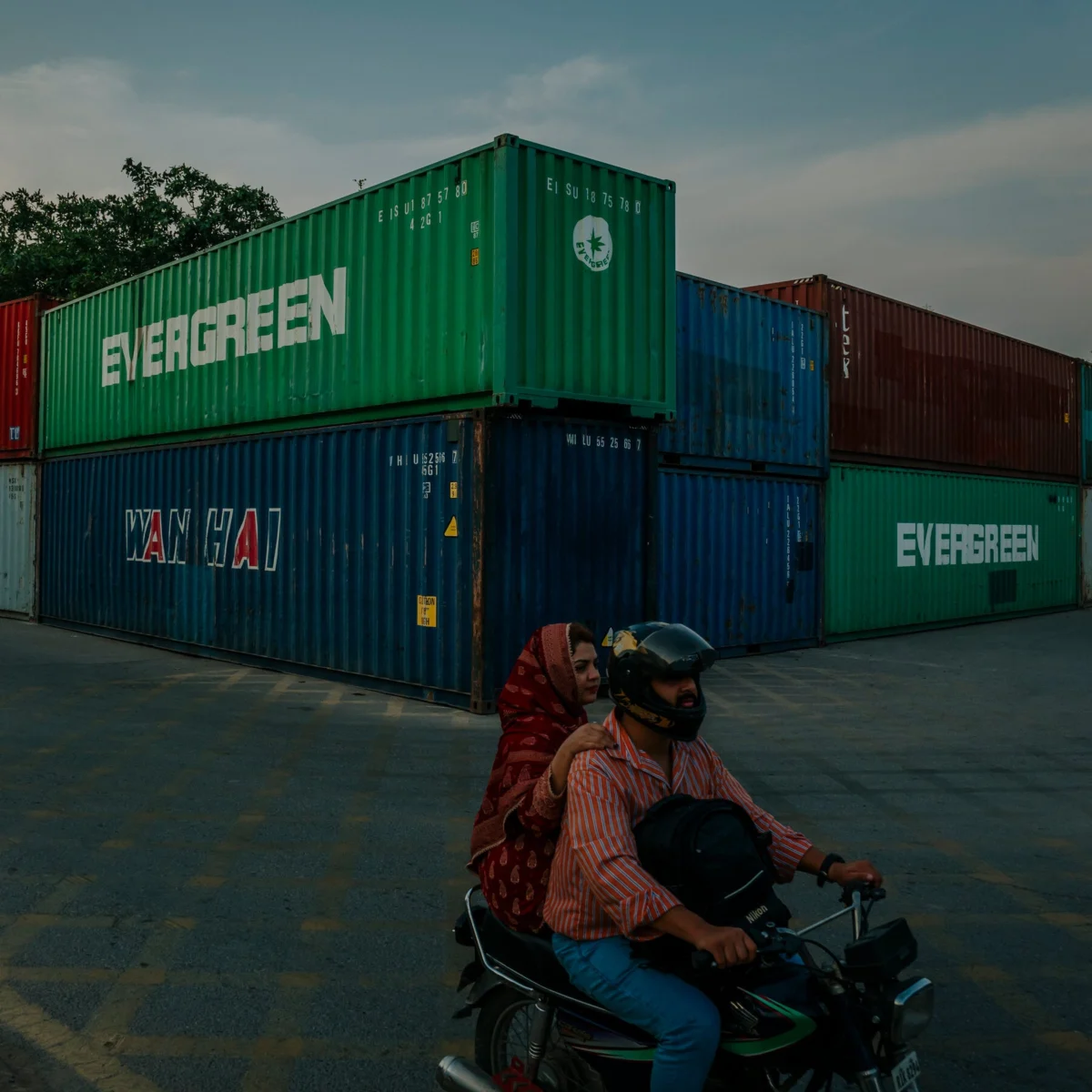
Pakistani authorities have erected a maze-like barrier made of more than 1,500 shipping containers around Islamabad, effectively cutting off access to the capital city in an effort to prevent opposition-led protests from reaching the area.
The use of shipping containers as a physical blockade highlights the escalating tensions between government forces and opposition groups seeking to stage demonstrations in the nation’s seat of power. By sealing off roads and key entry points with these large metal structures, officials appear to be attempting to choke off movement into the city center, a tactic that has drawn significant attention both domestically and internationally.
Key Facts
- Pakistani authorities deployed 1,500 shipping containers to block access to Islamabad.
- The containers were arranged into a maze-like formation to restrict movement.
- The blockade aims to stop opposition protesters from entering the capital.
- Choking off access to the capital has disrupted normal urban activity.
What Happens Next?
The deployment of shipping containers as barriers raises immediate questions about how long the blockade will remain in place and whether it can withstand ongoing pressure from demonstrators. Opposition leaders have not yet responded publicly to the measure, but observers note that such heavy-handed tactics often fuel further unrest rather than quell it. If protests continue, authorities may face growing criticism over restricting public space and freedom of assembly, especially given the symbolic nature of targeting the capital.
Meanwhile, residents and commuters in surrounding areas are experiencing delays and detours as routes into Islamabad become impassable. Whether alternative pathways will be opened depends largely on the government’s willingness to engage in dialogue with opposition figures. For now, the containers remain a dominant feature of the landscape, serving as both a literal and metaphorical wall between the state and its critics.
Who Is Affected?
Beyond the immediate impact on protesters, the container barrier affects thousands of daily commuters, journalists, civil servants, and diplomats who rely on open access to the capital. Government buildings, embassies, and commercial districts located within the restricted zone may see reduced foot traffic and logistical challenges. Humanitarian organizations and aid workers also risk being hindered if emergency services or supplies need to enter the area quickly.
On the political front, the move underscores a deepening divide within Pakistan’s democratic framework. Critics argue that using infrastructure typically reserved for port logistics to suppress dissent sets a dangerous precedent, while supporters claim it maintains order during a volatile time. International observers are watching closely to assess whether the restrictions violate constitutional protections for peaceful protest. As the situation develops, the world is waiting to see if diplomatic or legal remedies can deescalate the standoff without escalating violence.
How Did We Get Here?
The roots of the current crisis trace back to longstanding grievances voiced by opposition parties regarding governance, economic policy, and electoral fairness. In recent months, leaders have called for mass rallies to demand reforms and greater accountability from the ruling administration. Rather than allow these gatherings to converge on Islamabad, authorities opted for a preemptive strategy involving the rapid placement of shipping containers along thoroughfares leading to the capital.
This approach reflects a shift toward infrastructural suppression, leveraging everyday materials for crowd control purposes. While not unprecedented globally, the scale and visibility of the operation have made it a focal point of debate. Analysts suggest that unless negotiations begin soon, the stalemate could persist, increasing the risk of unintended consequences that neither side wants.
What We Know — and What We Don’t
Verified by the source:
- More than 1,500 shipping containers were placed around Islamabad.
- The containers were arranged in a maze-like layout.
- The purpose was to block opposition protesters from reaching the capital.
- Access to the capital has been choked off as a result.
Still unconfirmed:
- The exact number of containers beyond “more than 1,500”.
- Specific locations where the containers were installed.
- Names of officials who authorized or oversaw the placement.
- Tactics used for removal or modification if talks proceed.
Why It Matters
Restrictions on civic participation in capital cities often serve as early warning signs of broader democratic erosion. When governments deploy unconventional tools like shipping containers to limit public expression, it signals a potential imbalance in power that affects not just local citizens but regional stability. This incident fits into a global pattern of contested spaces where democratic norms clash with state security measures.
What to Watch
Monitoring whether dialogue begins between the government and opposition will be critical, as prolonged confrontations tend to harden positions on all sides. Additionally, international bodies may step in if reports surface suggesting violations of human rights conventions governing assembly and movement.
According to NYT > World News, Pakistani authorities used 1,500 shipping containers to seal off Islamabad and block access ahead of planned opposition protests, disrupting life in the capital and drawing scrutiny over restrictions on civic freedoms.