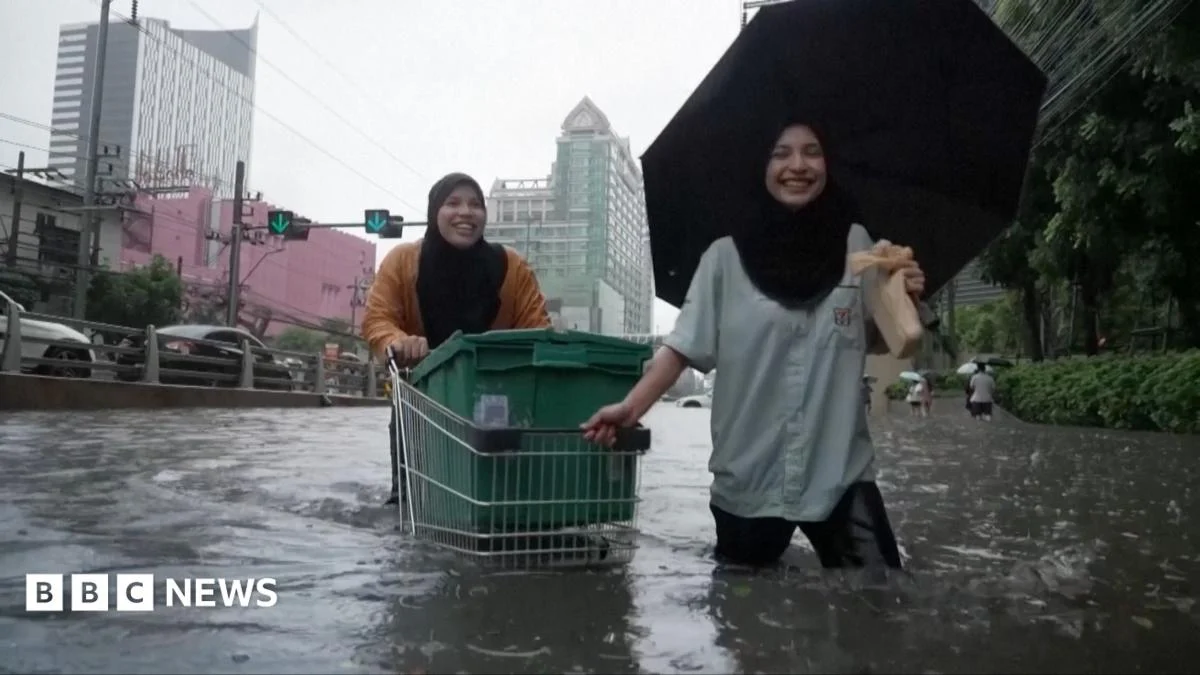
Bangkok has declared a disaster situation as heavy rainfall triggered widespread flooding across the Thai capital.
Days of near continuous downpours have caused widespread flooding in the Thai capital, leaving large areas submerged and disrupting daily life for residents and commuters.
Key Facts
- Bangkok flooding has prompted a disaster declaration.
- Heavy rains continued for several days without pause.
- Flooding affected large parts of the Thai capital.
- Officials confirmed the situation remains urgent.
Who Is Affected?
The flooding has impacted communities throughout Bangkok flooding zones, with streets and properties submerged after days of relentless rain. Residents have been forced to navigate waist-deep water in some neighborhoods, while others have evacuated temporarily to higher ground. Transportation networks including roads, railways, and elevated train services have faced closures and delays. Businesses closed early and schools may remain shut depending on water levels. Emergency crews are working to pump out floodwater and distribute supplies to affected households. Drainage systems overwhelmed by the volume of rain have contributed to prolonged flooding conditions. Authorities continue monitoring water levels closely to prevent further escalation. Relief efforts include setting up shelters for displaced families and deploying boats for rescue operations where needed. Health risks from stagnant water have raised concerns among public health officials. Local markets and street vendors report significant losses due to damaged goods and lost income. Bangkok flooding now ranks among the most severe weather-related disruptions in recent years.
What Happens Next?
Forecasters warn of additional rainfall in coming days, which could worsen ongoing Bangkok flooding if drainage improvements lag behind inflows. The disaster declaration enables emergency funding and resource deployment by municipal and national agencies. Evacuation plans are being reviewed for vulnerable zones along canals and low-lying districts prone to seasonal submersion. Recovery teams anticipate cleanup and restoration efforts lasting weeks after waters recede. International aid organizations stand ready to assist but await formal requests from Thai authorities. Insurance claims related to property damage are expected to rise once assessments conclude. Public advisories urging caution around flooded areas will likely persist until conditions stabilize. Bangkok flooding recovery depends heavily on coordinated response between local governance and community volunteers.
What We Know — and What We Don’t
Verified by the source:
- Bangkok declared a disaster status because of flooding.
- Rainfall persisted nearly nonstop for several days.
- Widespread inundation occurred within the capital city limits.
Still unconfirmed:
- No official death toll or injury figures provided.
- Exact number of displaced residents remains unknown.
- Timeline for full recovery has not been outlined.
Why It Matters
This event underscores increasing climate-related vulnerability in Southeast Asia’s major urban centers, highlighting infrastructure stress during extreme weather events.
What To Watch
Monitoring continued rainfall forecasts and government updates on flood mitigation measures.