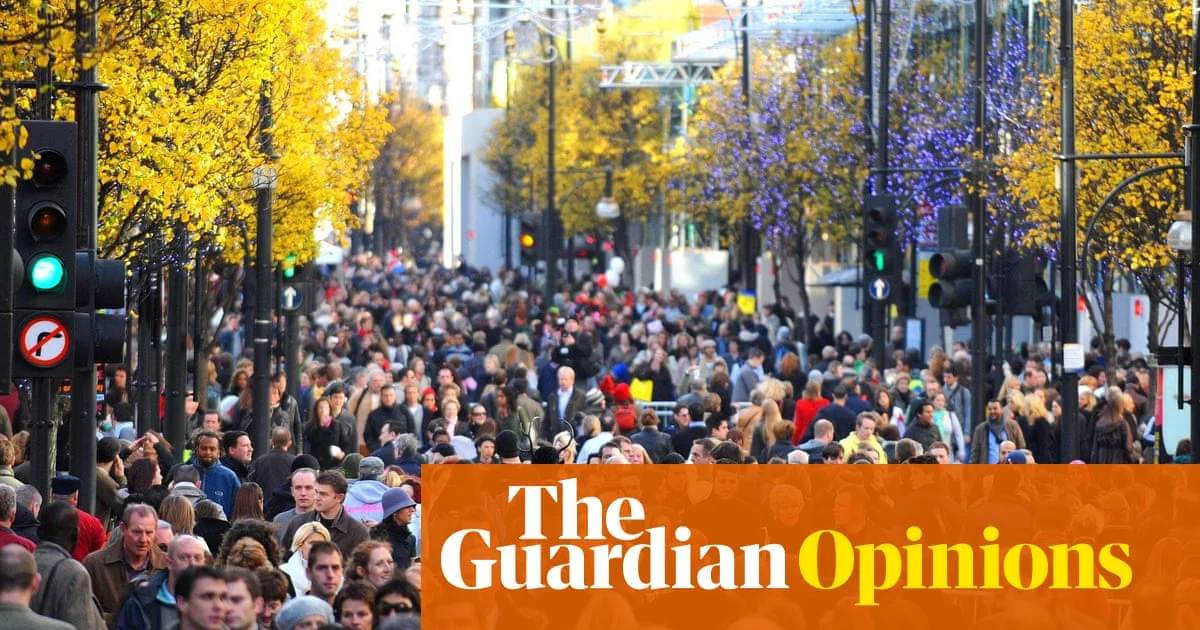
Lede
The Oxford Street pedestrianisation plan is set to begin implementation, closing the busiest stretch of London’s famous shopping street to traffic as part of efforts to make cities greener, less congested and more inviting places to live.
Proposed by the mayor of London since 2016, the Oxford Street pedestrianisation initiative has faced numerous setbacks before reaching this stage. The scheme is intended to improve the area’s appeal to pedestrians and support a high street that has struggled in recent years.
According to the Greater London Authority, the Oxford Street pedestrianisation effort aims to rejuvenate a district where vacancy rates have risen sharply since the pandemic. The authority estimates the scheme could generate approximately £82m of annual value in the surrounding area.
Key Facts
- Oxford Street pedestrianisation will close the busiest stretch of the London shopping street to traffic.
- The plan was first proposed by the London mayor in 2016 and will be implemented after numerous setbacks.
- The scheme is designed to make the area more attractive to pedestrians and visitors.
- Shop vacancies on Oxford Street have more than quadrupled since the pandemic.
- The Greater London Authority estimates the scheme could generate £82m of annual value in the area.
What Happens Next?
With the Oxford Street pedestrianisation plan moving forward, attention turns to how the changes will affect shoppers, businesses and traffic flow in central London. Research from other cities suggests that pedestrianised zones can lead to higher sales for retailers, though outcomes vary widely depending on implementation and local conditions.
The success of the Oxford Street pedestrianisation will likely be measured by metrics such as footfall, retail performance and visitor satisfaction. The Greater London Authority’s projection of £82m in annual value rests on assumptions about increased visitor numbers and longer stays, but the actual impact remains to be seen.
The Oxford Street pedestrianisation joins a broader trend of urban redesign projects prioritising people over vehicles, though political and logistical challenges often delay such initiatives.
Who Is Affected?
The Oxford Street pedestrianisation will directly affect commuters, tourists and businesses operating along the stretch of Europe’s busiest shopping street. With vacancies rising since the pandemic, many retailers are hoping that improved pedestrian access will encourage more visitors to linger and spend.
Transport for London and local authorities are involved in managing the Oxford Street pedestrianisation logistics, including traffic diversions and accessibility provisions. Nearby streets are expected to absorb redirected vehicle traffic, which may influence congestion patterns in surrounding neighbourhoods.
While the Greater London Authority leads the Oxford Street pedestrianisation strategy, coordination with central government could become important given the prime minister’s reported interest in revitalising British high streets facing economic pressures.
How Did We Get Here?
The Oxford Street pedestrianisation ambition dates back to 2016 when the London mayor first proposed closing parts of the street to motor vehicles. Multiple setbacks — including political opposition, transport concerns and legal challenges — delayed implementation until now, when the busiest section is finally set for closure under the current scheme.
Supporters of Oxford Street pedestrianisation point to examples abroad where similar measures boosted retail activity and improved public spaces, though critics argue such projects can displace traffic problems rather than resolve them.
The timing of Oxford Street pedestrianisation coincides with ongoing discussions about the future of British high streets, prompting renewed scrutiny of urban planning strategies amid shifting consumer habits.
What We Know — and What We Don’t
Verified by the source:
- A section of Oxford Street will close to traffic under the pedestrianisation scheme.
- The London mayor has pursued this plan since 2016.
- Shop vacancies have increased significantly since the pandemic.
- The Greater London Authority estimates £82m in annual value generation.
- The scheme aims to increase footfall and visitor engagement.
Still unconfirmed:
- Exact start date and duration of the Oxford Street pedestrianisation rollout.
- Specific boundaries of the pedestrianised zone.
- Independent evidence confirming the projected £82m financial impact.
- Detailed responses from affected businesses or transport officials.
- Long-term traffic redistribution plans for surrounding streets.
Why It Matters
The Oxford Street pedestrianisation reflects wider efforts across cities to prioritise public spaces over vehicle access, particularly as urban centres seek sustainable recovery models post-pandemic. The outcome may influence future high street regeneration strategies elsewhere in the UK.
Meta description: Oxford Street pedestrianisation begins implementation after years of delays, aiming to boost footfall and generate £82m in annual value.